If you have been wondering what materials are used in louvered fence systems, you are not alone. Many homeowners today want privacy, but they also want light, air flow, and a space that feels open instead of closed in. A well-built louver fence can give you all of that at once. It turns a yard from exposed and uncomfortable into something calm, clean, and thoughtfully designed.
The truth is, not all louvered systems are built the same. The materials, the structure, and the way the louvers are installed all shape how your fence looks, how it performs, and how long it lasts. When you understand what goes into it, you can make a decision that feels right not just today, but years from now.
What Is a Louvered Fence System? (And Why Homeowners Are Choosing It)
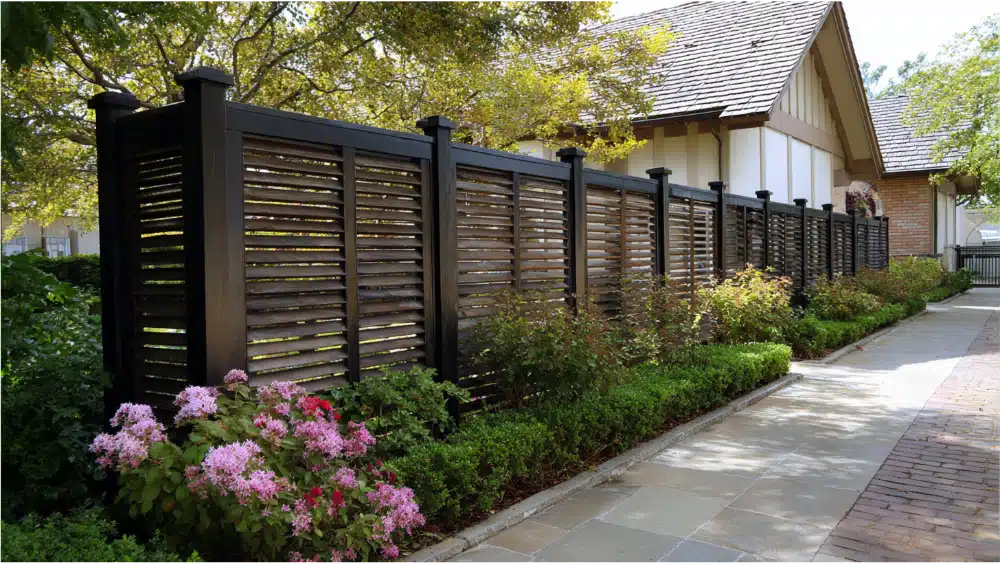
A louver fence is built using angled slats, called louvers, that create privacy while still allowing air flow. Unlike solid building surfaces that block everything, louvered screening gives you visual screening without making your yard feel boxed in. Most architectural louvered screens are designed to balance privacy and openness, which is why they are becoming so popular in modern homes.
How Louvered Fencing Works with Fixed Louver Designs
Each louver is positioned at a specific angle. In a fixed louver design, the angle stays the same, providing a consistent balance of privacy and airflow. In adjustable systems, the louvers can shift to control light and visibility. The spacing between each slat, called louver spacing, plays a big role in how much you can see through and how much air flow you get. Some designs even use varying louver spacing to fine-tune privacy and better air flow.
This setup creates a natural visual screening effect. From one angle, the fence feels private. From another, it feels open and breathable.
Why It’s Trending in 2025
Homeowners are moving away from solid surfaces and toward architectural louvered screens because they want outdoor spaces that feel livable. A louver fence allows better air flow, adds style, and creates a softer boundary. It is also widely used in commercial spaces like parking garages and trash enclosures, which shows how strong and adaptable these louvered systems really are.
The Most Common Materials Used in Louvered Fence Systems
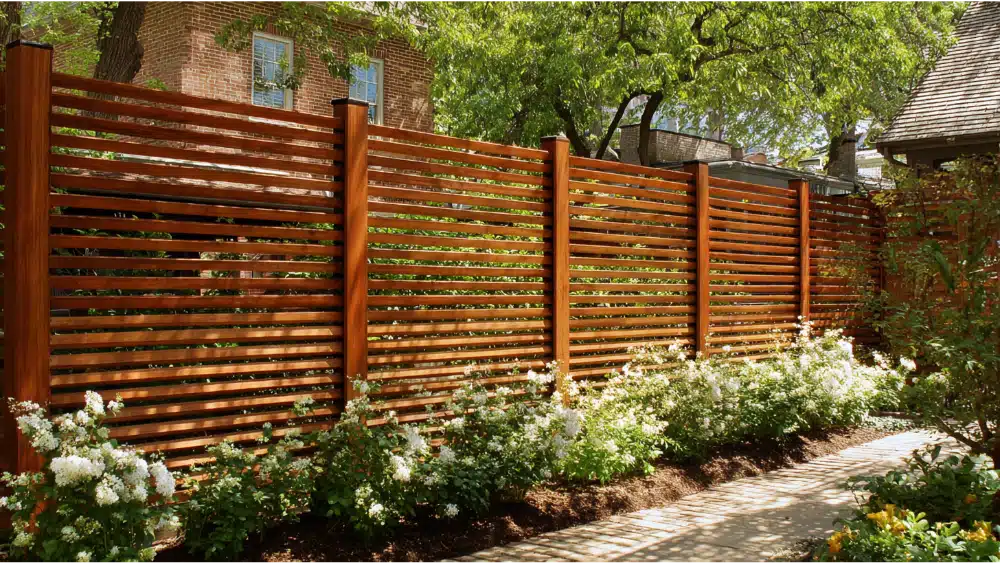
The material is where everything starts. It affects strength, maintenance, and how the louvers hold up over time. Let’s walk through the most common materials used in modern louvered screening.
Aluminum Louvered Fences (Top Choice in 2025 with Palmshield Louvered Screening)
Most high-quality systems today are made from extruded aluminum. This material is strong, lightweight, and designed to resist rust even in harsh environments. Many manufacturers use sheet aluminum and aluminum flat bar to create clean, consistent louvered panels. Palmshield louvered screening systems often utilize aluminum for both residential and commercial applications, benefiting from its durability and sleek appearance.
The finish is just as important. Aluminum systems are usually powder coated with a polyester powder coating. Before coating, the material is often carefully sweep blasted to prepare the weldable surface and ensure the finish bonds properly. This process helps prevent film failure and keeps the fence looking clean for years.
Pros and Cons of Aluminum
Pros: Aluminum is low maintenance, strong, and built to handle wind load without warping. It can also be custom fabricated into different styles, including sliding gates and swing gates. Many systems offer custom colors so your fence matches your home perfectly. Aluminum louvered fences are engineered with a greater wind load coefficient to withstand challenging weather conditions.
Cons: The upfront cost can be higher than wood. However, the long-term durability often offsets that initial investment.
Aluminum is often used by any leading louvered screen system manufacturer because it performs consistently and allows for precise engineering. It is also used in palmshield louvered screening systems that are built for both residential and commercial use.
Wood Louvered Fences (Natural & Customizable with Wall Louver Applications)
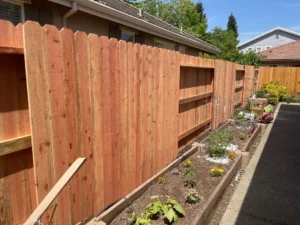
Wood brings warmth that no other material can match. Cedar and redwood are common choices because they naturally resist moisture. Wood louvers can be cut into thicker louver materials for a more substantial look, often used in wall louver installations to provide both privacy and aesthetic appeal.
Pros and Cons of Wood
Pros: Wood offers natural beauty and can be shaped into a picture frame design with horizontal caps and clean lines.
Cons: It requires regular maintenance and can be affected by weather, especially in areas with heavy snow loads or steeper sloping terrain.
Wood louvered panels work best when supported by strong vertical supports and a solid structural post system.
Composite Louvered Fences (Low Maintenance Alternative)
Composite blends recycled wood fibers with plastic, creating thicker framing materials that hold their shape over time. These systems are often custom fabricated to mimic the look of wood while offering better durability, making them a useful comparison point to understand how much a wood fence costs in 2025.
Pros and Cons of Composite
Pros: Composite resists rot and insects and offers low maintenance.
Cons: It can be heavier and requires a rigid framework with properly spaced fence posts.
Composite louvered screening is a strong option for homeowners who want consistency without ongoing upkeep.
Steel Louvered Fences (Strength & Security with Industries Widest Louver Options)
Steel is used when strength is the top priority. It is common in commercial settings, including parking garages and trash enclosures, where higher wind load and impact resistance are required. Steel louvered systems often feature the industries widest louver designs and thicker posting materials provide enhanced durability, similar to the benefits you see with a welded steel frame for your gate.
Pros and Cons of Steel
Pros: Steel is extremely strong and can support thicker louver materials.
Cons: It must be coated properly to resist rust and may require more complex installation.
Steel systems often rely on thicker posting materials to provide added strength and are supported by a larger vertical support system.
Vinyl (PVC) Louvered Fences (Affordable & Simple)
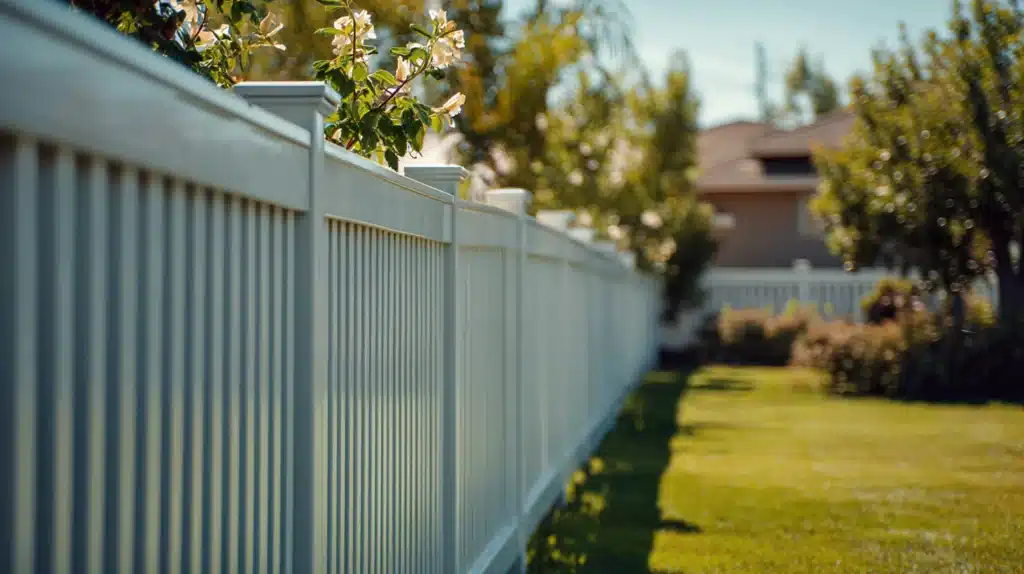
Vinyl offers a clean look at a lower cost. It is often used in residential fence panels where simplicity matters, and many homeowners look at pricing in terms of what a 100-foot vinyl fence costs in 2025.
Pros and Cons of Vinyl
Pros: Vinyl is affordable and easy to maintain.
Cons: It is not as strong under wind load and may not perform as well in extreme conditions.
Comparing Louvered Fence Materials Side-by-Side
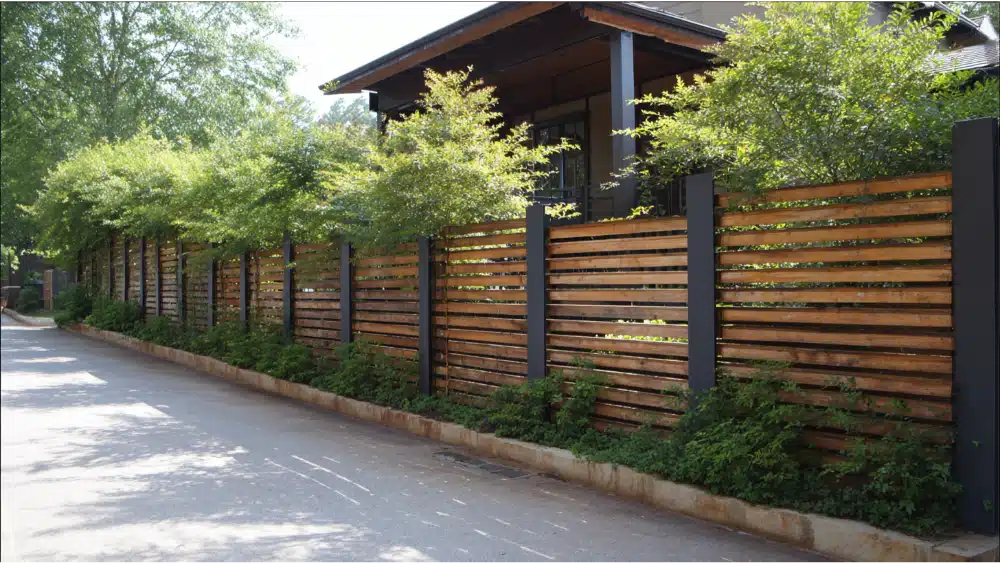
Each material brings something different. Aluminum offers durability and low maintenance. Wood offers warmth. Composite offers balance. Steel offers strength. Vinyl offers affordability, and all of them can be used in creative backyard fence designs that transform outdoor living.
Which Material Lasts the Longest?
Aluminum and steel lead in longevity, especially when powder coated and properly installed. These materials are often independently engineered to handle wind load and horizontal load.
Which Requires the Least Maintenance?
Aluminum and composite are the easiest to care for. Their finishes are designed to last without constant upkeep.
Which Looks Best for Modern Homes?
Aluminum stands out for its clean lines and ability to create architectural louvered screens with a sleek finish.
How Much Do Louvered Fence Systems Cost in 2025?
Cost depends on materials, design, and installation. A typical backyard project ranges from $2,500 to $3,500 per side, or $7,500 to $10,500 for a full yard, with labor often calculated per linear foot rather than by what fencing contractors charge per hour.
Average Costs by Material
- Wood ranges from $40 to $60 per linear foot.
- Vinyl ranges from $50 to $60.
Beyond louvered designs, some homeowners compare chain link vs. wood fences as alternative ways to balance cost, privacy, and durability.
- Composite ranges from $70 to $90.
- Aluminum typically falls between $48 and $55 per linear foot.
What Affects the Price?
Several factors influence pricing. Post spacing, terrain, and whether the system is attached to adjoining walls or built as its own independent structure all matter. Projects that include sliding gates, swing gates, or even sliding gates for a larger gate project will increase cost.
A proper wind load calculation and actual engineered calculations may also be required in certain areas, especially in places like South Florida where wind load is a major factor, and it is important to work with a qualified fence contractor who understands these requirements.
How to Choose the Right Material for Your Home
Choosing the right louver fence comes down to how you want your space to feel and function.
If You Want Low Maintenance
Aluminum or composite will give you peace of mind with minimal upkeep, especially when using only stainless steel hinges to ensure long-lasting hardware performance.
If You Love a Natural Look
Wood offers a timeless appearance that blends with landscaping.
If You Want Maximum Strength
Steel provides a rigid framework and strong vertical supports that can handle higher wind load, with a greater wind load coefficient and thicker posting materials provide additional structural integrity.
If You’re Budget-Conscious
Vinyl offers a simple solution that still provides visual screening.
Questions to Ask Before You Decide
Think about maintenance, long-term plans, and style. Also consider how the fence will connect to your building structure or adjoining walls, and whether it will stand as an independent structure.
Design Options and Custom Features in Louvered Fencing
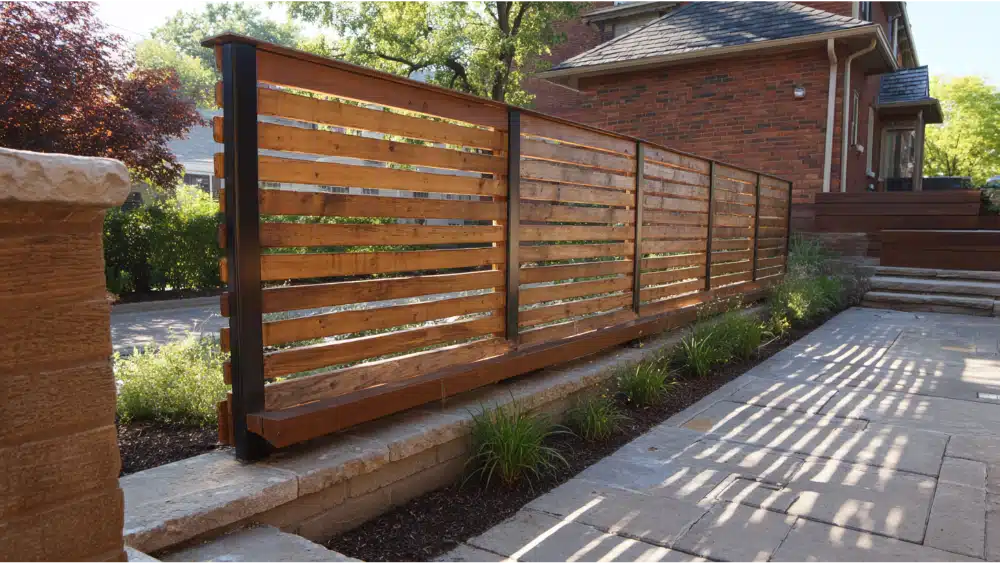
Modern louvered systems offer a wide range of customization options.
Fixed vs Adjustable Louvers
A fixed louver system is simple and durable, often preferred for its low maintenance and consistent privacy. Adjustable louvers give you control over light and air flow, which can be especially useful if you are planning fencing for dogs and other pets and need to balance visibility with security.
Horizontal vs Vertical Layouts
Horizontal layouts create a modern look, while vertical frameworks can add structure and height.
Mixed Materials
Combining materials, such as aluminum frames with wood infill, creates a custom fabricated design.
Structural Details That Matter
Strong fence posts, vertical supports, and a well-designed angle vertical support system all contribute to long-term stability. A thicker walled post and larger vertical support can improve performance under wind load.
Gates and Functional Additions
Many homeowners add swing gates or sliding gates for convenience. These can be integrated into the same picture frame design for a seamless look. Hardware typically uses only stainless steel hinges to ensure durability and resistance to corrosion, and choosing between a swing gate or a slide gate depends on your space and how you use the entry.
Common Mistakes Homeowners Make (And How to Avoid Them)
One of the biggest issues is improper installation. Without a strong supporting structure, even the best materials can fail. Poor post spacing, weak vertical supports, or ignoring wind load calculation can lead to damaged panels over time.
Not all wind loading is the same, and not all wind loading is accounted for in basic installations. That is why some systems are independently engineered and include local stamped engineering to ensure safety.
Other mistakes include choosing the wrong louver spacing, skipping thicker framing materials, or not properly estimating the demands of the space.
FAQs About Louvered Fence Materials
What is the best material for a louvered fence?
Aluminum is the most balanced option because it is strong, low maintenance, and built to last.
Are louvered fences more expensive than traditional fences?
They can cost more upfront, but their durability and design often provide better long-term value.
Do louvered fences provide full privacy?
They provide excellent visual screening while still allowing air flow.
How long do louvered fences last?
With proper installation, aluminum and steel systems can last decades.
Can louvered fences withstand strong winds?
Yes, when built with a rigid framework, proper vertical supports, and accurate wind load calculation.
Are adjustable louvers worth it?
They are a great option if you want flexibility in light and privacy.
Is a Louvered Fence Right for Your Yard?
A well-designed louver fence does more than define a boundary. It creates a space that feels comfortable, secure, and inviting. It can provide visual screening, support prevents intruders, and still allow light and air to move through your yard, and similar principles apply when planning the cost of a pool fence to keep water areas safe and visually appealing.
When built correctly, with the right materials, strong fence posts, and a properly engineered supporting structure, it becomes something you can rely on every day.
Let’s Build Something Strong Together
If your current fence feels worn or outdated, you do not have to settle for it. A thoughtfully designed louver fence can transform your space from exposed to private, from stagnant to breathable, and from ordinary to something you are proud of.
We take the time to determine post design, choose the right materials, and build every project with care. From the first conversation to the final cap system that protects the top of your fence, everything is built to last.
Your yard deserves to feel complete. Let’s build something strong together.