When your yard starts to slope, shift, or wash away, it can make your outdoor space feel uncertain. A retaining wall can bring that space back under control, but the strength of a good retaining wall is not only in what you see from the outside. It is in the reinforcement, drainage, foundation, and soil support hidden behind the wall.
A retaining wall needs the right system to hold back lateral earth pressure. That pressure comes from the soil, water, slope, and loads behind the wall. Without proper reinforcement, even a wall that looks beautiful on day one can lean, crack, bulge, or fail later.
At Fantastic Fence, we believe homeowners deserve clear guidance before building a retaining wall, and our professional retaining wall services in Sacramento are designed with that goal in mind. Let’s walk through what reinforcement is needed for retaining walls, why it matters, and how the right retaining wall system can protect your yard, your fence, and your peace of mind.
Why Retaining Walls Need Reinforcement
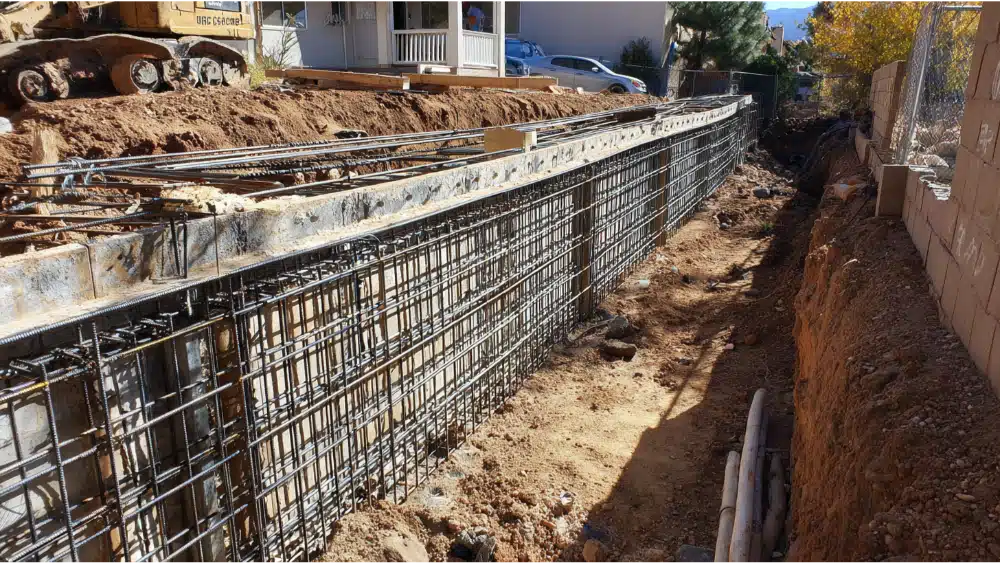
A retaining wall has one main job: to hold soil in place. That may sound simple, but soil is heavy. Wet soil adds even more weight. When soil builds up behind the wall, it pushes forward and creates lateral earth pressure. If the wall structure is not designed for that pressure, wall failure can happen over time.
Reinforcement gives the retaining wall added strength. It helps the wall resist movement, protect wall alignment, and improve wall stability. The taller the wall height, the more pressure the wall system must handle.
A short garden wall may only need a compacted foundation, gravel, wall drainage, and properly placed blocks. Taller reinforced retaining walls may need geogrid, rebar, concrete footings, compacted reinforced soil, or help from a geotechnical engineer.
The Difference Between a Decorative Wall and a Structural Wall
Not every wall has the same purpose. A small decorative wall may define a flower bed or create a visually appealing border. A structural retaining wall holds back soil, protects usable ground, and may support fences, patios, walkways, or slopes.
That difference matters. A decorative wall may not face much lateral earth pressure. A structural retaining wall may carry serious loads. Once a wall holds back soil or protects a larger outdoor space, it needs careful construction, drainage systems, and the right reinforcement techniques.
The Main Types of Retaining Wall Reinforcement
Different retaining wall types need different support. The right solution depends on wall height, soil, site conditions, drainage, materials, and nearby loads.
Geogrid Reinforcement
Geogrid is one of the most common reinforcement materials used in reinforced retaining walls made from retaining wall blocks. It is installed in layers that extend back into the soil behind the wall.
This creates reinforced soil. Instead of the wall blocks carrying all the pressure alone, the soil mass and wall system work together. This type of mechanically stabilized earth design can create a stronger and more durable retaining wall.
Geogrid is often used when building a retaining wall with segmental blocks. The layers, depth, and length should be planned for the project, not guessed. A geotechnical engineer may be needed for taller walls, heavy loads, bridge abutments, or complex wall applications.
Rebar Reinforcement
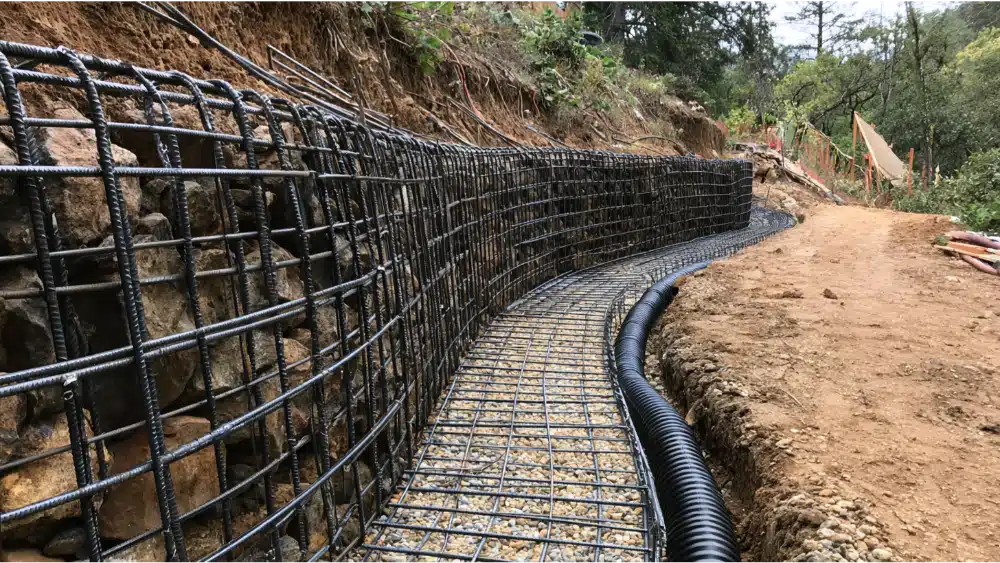
Rebar is steel reinforcement used inside concrete or masonry retaining walls. It helps strengthen the structure and reduce cracking.
For concrete block walls, rebar may be placed vertically and horizontally, then the blocks may be filled with concrete. This creates a reinforced wall that can handle more lateral earth pressure than hollow blocks alone.
Concrete Footings
A retaining wall needs a strong foundation. Concrete footings spread the weight of the wall and help prevent settling.
Footing depth and width depend on the wall height, soil, loads, and site. A wall constructed on a weak foundation may shift even if the blocks or concrete above look strong.
Deadman Anchors and Tiebacks
Some earth walls use buried anchors, deadman supports, or tiebacks to hold the wall in place. These supports extend behind the wall and connect the wall to a stronger soil zone.
This solution can be useful for certain timber walls, repair projects, or specialty construction. Like all reinforcement, it must match the site and the wall system.
Proper Backfill and Compaction
Backfill plays a critical role in retaining wall durability. The material placed behind the wall should drain well and be compacted in layers.
Loose soil can settle. Poor backfill can trap water. Both can increase lateral earth pressure and lead to retaining wall failure. Good contractors compact soil in layers and use gravel where drainage is needed.
Drainage: The Reinforcement Homeowners Often Overlook

Drainage is one of the most important parts of any retaining wall system. Water trapped behind the wall creates pressure. Over time, that pressure can push the wall forward and cause cracks, bulging, or failure.
Strong wall drainage helps reduce pressure and protect the structure.
Drain Rock Behind the Wall
Gravel or drain rock is placed behind the wall to create a drainage zone. This zone gives water a path to move instead of pressing against the blocks or concrete.
A proper drainage zone is especially important in clay soil, sloped yards, and areas where water collects after storms.
Perforated Drain Pipe
A perforated pipe is usually installed near the bottom row of the retaining wall. The pipe collects water and moves it away from the wall.
Without a drain pipe, water can collect behind the wall and add pressure. A simple pipe can make a big difference in long-term stability.
Weep Holes
Weep holes are small openings that allow water to escape through the wall. They are common in some masonry and concrete walls.
Weep holes support drainage by allowing water to leave the wall system instead of building up behind it.
Filter Fabric
Filter fabric helps keep soil from clogging gravel and drainage systems. It separates fine soil from the drain rock so water can continue moving.
This small detail helps protect the retaining wall system for years.
How Wall Height Affects Reinforcement
Wall height is one of the biggest factors in deciding how much reinforcement is needed. Taller walls face more lateral earth pressure and usually need stronger construction.
Retaining Walls Under 4 Feet
A shorter retaining wall may not always need engineered reinforcement, but it still needs a stable foundation, proper drainage, compacted soil, and good materials.
Even smaller gravity walls can fail if water builds up behind the wall or if the ground settles. Short gravity retaining walls still need care.
Retaining Walls Over 4 Feet
A retaining wall over 4 feet often needs more planning. Many taller reinforced retaining walls need geogrid, rebar, concrete footings, engineered design, or a mechanically stabilized earth system.
At this point, a geotechnical engineer may be needed to review soil, loads, depth, drainage, and stability. This is especially true when the wall supports a slope, driveway, patio, or fence.
Walls Supporting Extra Weight
A wall may need additional reinforcement when it supports extra loads. These loads may come from fences, driveways, patios, sheds, walkways, pool equipment, or sloped ground.
A fence near or on top of a retaining wall adds wind pressure. That pressure moves through the posts and into the wall or ground. The retaining wall system must be designed to handle that load safely.
What Reinforcement Is Needed If a Fence Is Built on a Retaining Wall?
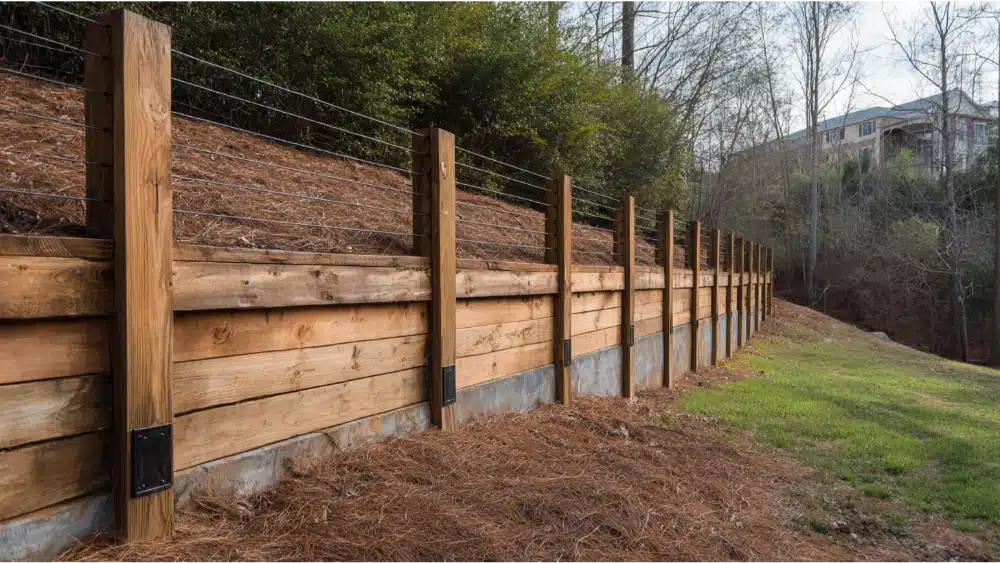
For many homeowners, the retaining wall is only one part of the project. The full goal is a safer, cleaner, more private outdoor space. That often means adding a fence too.
A fence can be installed near a retaining wall, but it should be planned carefully. The wall and fence should work together, not fight against each other.
Why Fence Posts Need Careful Planning
Fence posts create concentrated loads. Wind adds more force. If posts are installed into a wall that was not built for them, the wall may crack, shift, or lose stability.
This is why fence placement should be discussed before construction begins. It affects foundation depth, wall design, reinforcement, and drainage.
Better Options for Fence and Retaining Wall Projects
Often, the best solution is to install the fence behind the wall with its own post footings. This protects the wall and gives the fence better support.
In some cases, posts may need sleeves, deeper concrete footings, or special structural planning. A specific product or post system may be recommended depending on the wall blocks, fence material, and site.
When Fantastic Fence looks at a project, we look at the whole space. We want the fence to feel secure, the retaining wall to stay strong, and the finished yard to be visually appealing, drawing on our experience providing fence installation, repair, and replacement across the region as well as our broader fencing services for Sacramento properties.
Soil Type and Yard Conditions Matter
Soil affects every retaining wall. Different types of soil create different pressure, drainage, and stability concerns.
Clay Soil
Clay soil holds water and expands when wet. That can increase lateral earth pressure and make drainage even more important.
A retaining wall in clay soil needs careful backfill, gravel, pipe, and drainage systems.
Sandy or Loose Soil
Sandy soil may drain better, but it can shift if it is not compacted correctly. Loose soil behind the wall can settle and affect wall alignment.
Proper compaction in layers helps create stronger reinforced soil and better wall stability.
Sloped Yards
Sloped yards add pressure because the soil above the wall pushes down and forward. These site conditions may require reinforced retaining walls, terraced gravity walls, or engineered earth walls.
Sometimes two shorter gravity retaining walls are a better solution than one tall wall.
Signs Your Retaining Wall Does Not Have Enough Reinforcement
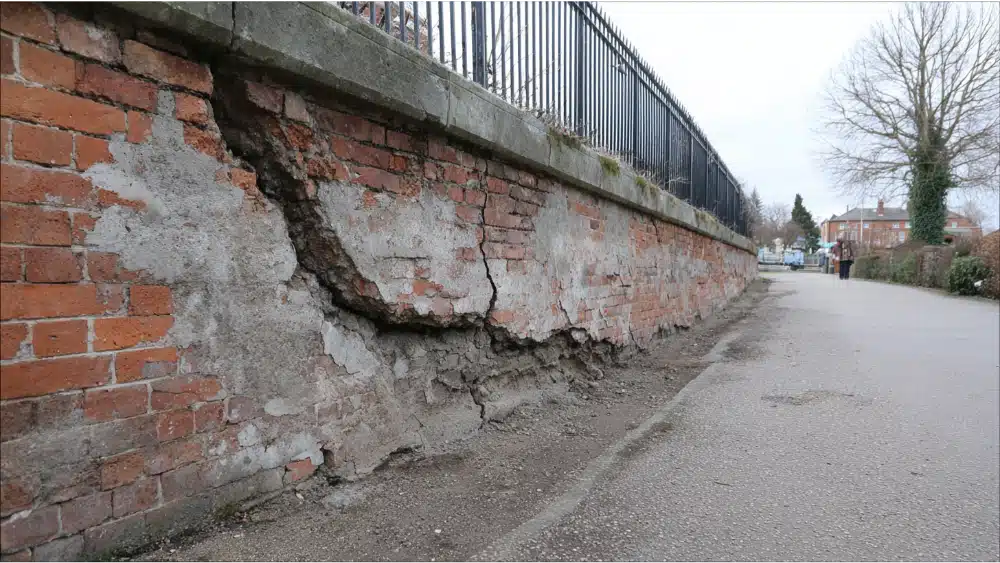
A retaining wall usually shows warning signs before serious failure. Watch for leaning, cracking, bulging, shifting blocks, loose caps, poor drainage, standing water, soil erosion, or sinking ground.
Fence posts near the wall may also start to lean. That can be a sign the soil, foundation, or wall system is moving.
These problems may point to weak reinforcement, poor drainage, loose backfill, or too much pressure behind the wall.
Can You Reinforce an Existing Retaining Wall?
Sometimes an existing retaining wall can be improved. If the wall is still mostly stable, contractors may be able to improve drainage, redirect water, repair blocks, or add support.
But if the wall is badly leaning, cracked, or bulging, rebuilding may be the safer solution. A failing wall should not be covered up with a quick patch.
The goal is not just to make the wall look better. The goal is to create a safe, durable structure that protects the space around it.
Why Professional Planning Matters
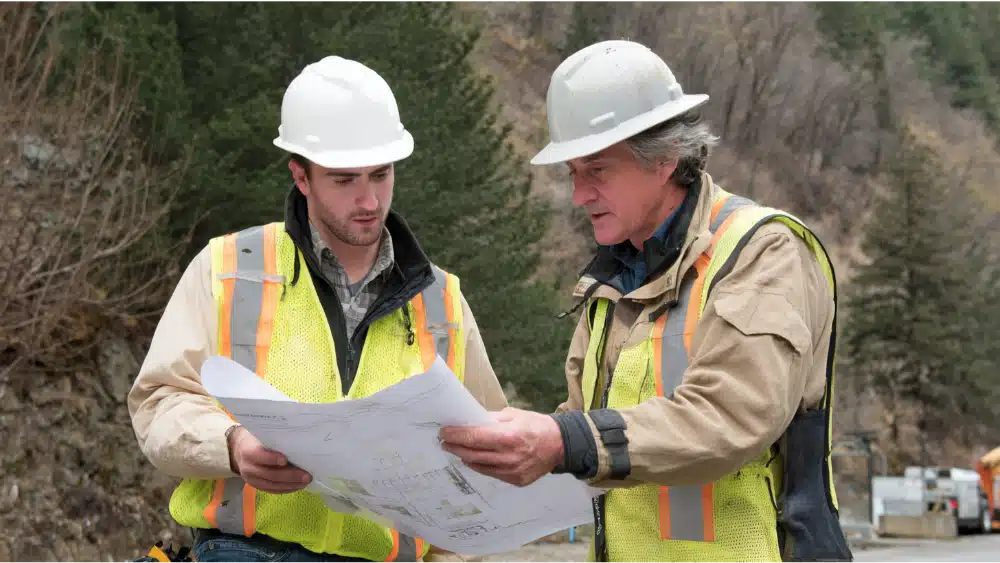
Most reinforcement is hidden when the project is finished. You may never see the geogrid, pipe, gravel, footing, rebar, compacted layers, or drainage systems again.
But those hidden parts are what protect the retaining wall.
A wall can be visually appealing on the outside and still be weak inside. That is why skilled contractors pay attention to the full wall system, not just the face of the wall, and why homeowners should understand what to look for when hiring a fence contractor.
What a Good Contractor Looks At
A good contractor looks at wall height, soil, drainage, slope, loads, materials, access, foundation, wall applications, fence placement, aesthetics, and long-term durability.
They also consider whether gravity walls, reinforced retaining walls, or mechanically stabilized earth walls offer the best solution.
Gravity retaining walls rely mostly on their own weight. Gravity walls are often wider and heavier than other systems. They may be made from concrete blocks, stone, or other heavy materials.
Reinforced retaining walls use added reinforcement, such as geogrid or rebar, to handle more pressure. Mechanically stabilized earth walls use layers of reinforced soil to create a stronger soil mass.
Each system has a place. The right choice depends on the project.
Homeowner Checklist: What to Ask Before Building a Retaining Wall
Before building a retaining wall, ask clear questions.
- Does this wall need a permit?
Local rules may apply, especially for taller walls or walls that support extra loads. - Does this wall need engineering?
A taller wall, steep slope, heavy load, or fence may need engineered planning. - What kind of reinforcement will be used?
Ask about geogrid, rebar, concrete footings, anchors, gravel, drain pipe, and compacted layers. - How will water drain?
Drainage should be planned before construction starts. Ask where the water will go and how the drain system will work. - What backfill material will be used?
Good backfill helps reduce pressure and improve durability. - Will the soil be compacted in layers?
Compacted layers create a stronger wall system and help prevent settling. - Can a fence be installed on or near the wall?
Fence placement affects loads, post depth, foundation needs, and stability. - Who handles old fence removal and disposal?
When Fantastic Fence replaces a fence, old fence removal and disposal are included at no extra charge, reflecting our company’s customer-focused values and history and our role as a trusted fence company serving West Sacramento homeowners.
The Fantastic Fence Approach
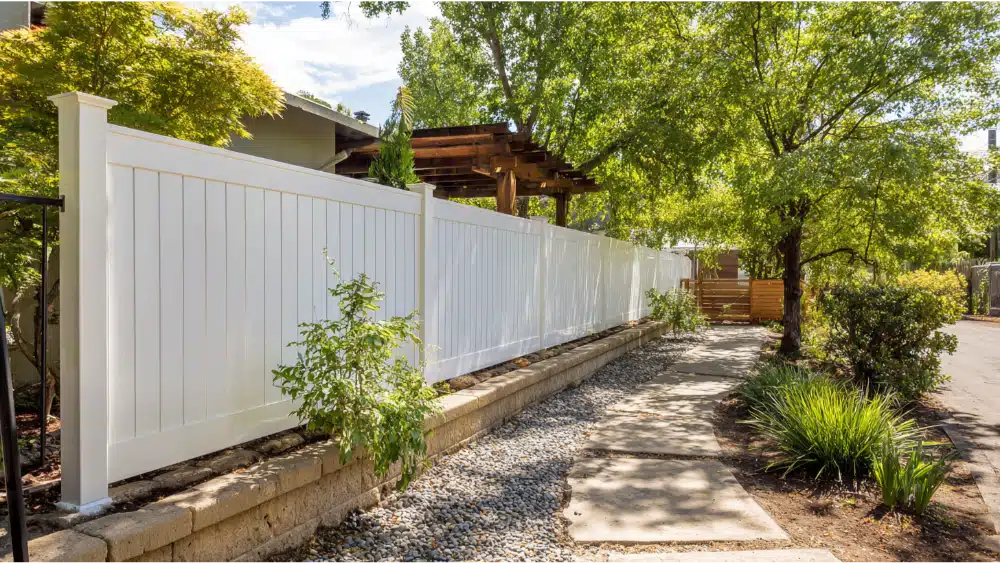
We know a retaining wall or fence project is about more than construction. It is about feeling safe, proud, and comfortable in your own outdoor space, which is why we offer an easy way to schedule a free fencing estimate and discuss your options.
If your fence is leaning because the ground is shifting, we pay attention and draw on our experience explaining why fences lean and how to fix them. If your yard needs a stronger foundation before a new fence is installed, we talk through the options. If a retaining wall and fence need to work together, we help you plan the project with care.
We believe the best work is strong where you can see it and even stronger where you cannot, and flexible fence financing options for your project can make that level of quality more accessible.
From worn and wobbly to clean and secure, the right wall and fence can change how your yard feels every day, especially when you explore backyard fence designs that transform outdoor living.
FAQs
What is the best reinforcement for a retaining wall?
The best reinforcement depends on the retaining wall type, wall height, soil, drainage, and loads. Common options include geogrid, rebar, concrete footings, anchors, gravel, drain pipe, and compacted backfill.
Does every retaining wall need geogrid?
No. Not every retaining wall needs geogrid. Some short gravity walls may not need it, but taller reinforced retaining walls often do.
What are gravity retaining walls?
Gravity retaining walls use their own weight to hold back soil. Gravity walls are often wider and heavier than other systems. They may be made from concrete blocks, stone, or other heavy materials.
What are reinforced retaining walls?
Reinforced retaining walls use added reinforcement to handle more pressure. That reinforcement may include geogrid, rebar, concrete, or mechanically stabilized earth layers.
At what height does a retaining wall need reinforcement?
Many walls need some support even when short. As wall height increases, reinforcement becomes more important. Walls over 4 feet often need professional review.
Can I put a fence on top of a retaining wall?
Sometimes, but the wall must be designed for the added loads. A fence adds weight and wind pressure. In many cases, installing the fence behind the wall with separate posts is a better solution.
Is drainage considered reinforcement?
In practical terms, yes. Drainage reduces water pressure behind the wall and helps protect the structure from movement and damage.
Why are weep holes important?
Weep holes allow trapped water to escape. They help protect the wall from pressure that builds when water collects behind it.
Can an old retaining wall be reinforced?
Sometimes. If the wall is mostly stable, drainage improvements or repairs may help. If the wall is leaning or bulging, rebuilding may be the safer choice.
What causes retaining wall failure?
Retaining wall failure can come from poor drainage, weak reinforcement, loose soil, bad construction, too much lateral earth pressure, or extra loads the wall was not designed to carry.
What is mechanically stabilized earth?
Mechanically stabilized earth is a system that uses reinforcement layers in the soil to create a stronger mass. It is common in larger wall applications and some reinforced retaining walls.
How do I know which wall system is right for my yard?
The right wall system depends on soil, drainage, slope, wall height, materials, loads, and the look you want. A professional contractor can help you choose a safe, durable, and visually appealing solution.
Final Thoughts: Build the Strength You Cannot See
A strong retaining wall is built as a complete system. It may need geogrid, rebar, concrete footings, anchors, gravel, weep holes, pipe, compacted soil, and proper drainage.
Some gravity walls need less reinforcement because they rely on weight and depth. Other reinforced retaining walls need layers of geogrid and reinforced soil. Mechanically stabilized earth walls need careful planning so the wall blocks, soil mass, and reinforcement work together.
The right solution depends on the site, wall height, materials, loads, and water movement.
When the hidden work is done right, the wall can stand firm, protect your yard, reduce soil erosion, and create a better space for your family.
Your yard deserves strength you can trust. Let’s build something strong together.