What You Don’t See Matters Most

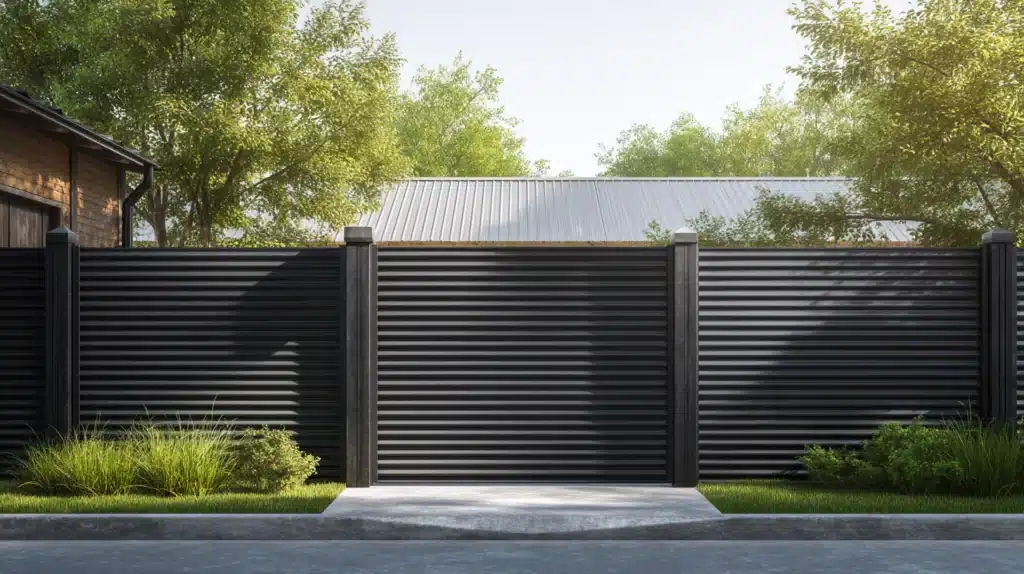
If you’ve ever stood in your yard and looked at a corrugated metal fence, you probably noticed how clean and strong it looks. The lines are straight, the panels sit neatly, and the whole fence gives off a sleek and contemporary appearance. But here’s something most homeowners don’t realize: what you see is only part of the story. The real strength of a fence comes from how it’s built behind the panels.
Many fence projects fail not because of poor materials, but because the installation was rushed or done without care. When a fence isn’t properly secured, you’ll notice it over time. It might start with a slight rattle, then loose panels, and eventually a fence that just doesn’t feel dependable.
If you’re wondering how do contractors secure corrugated fencing to posts, this comprehensive guide will walk you through the process, so you can feel confident in your investment and understand what separates a durable fence from one that won’t last.
What Is Corrugated Fencing and Why Homeowners Choose It

A corrugated metal fence is built using corrugated metal panels attached to a strong fence frame. These panels have a ridged design that adds strength and visual interest, giving your outdoor space a modern touch while still being practical.
Homeowners choose this fence type because it offers durability, low maintenance, and strong resistance to weather. Corrugated metal is known for holding up against moisture and resisting rust when high-quality materials are used. Unlike wood, which can warp or rot, metal panels maintain their shape over time. This makes a corrugated fence a smart choice for long-term value.
Many people also love the aesthetic appeal. The clean lines and modern aesthetics improve curb appeal and create a finished look that feels intentional and well designed. With the right backyard fence designs and customization options, you can combine wood posts with metal panels or go fully metal with steel posts or aluminum framing.
The Truth Most Homeowners Don’t Know: Panels Aren’t Structural
One of the most important things to understand is that corrugated panels are not structural. They are an infill material, not the backbone of the fence. The real strength comes from the fence posts and the rails that connect them.
When contractors build a corrugated metal fence installation, they focus first on the structure. Without a strong frame, even the best corrugated metal fence panels will fail. This is where many problems begin in poorly built fence projects. Panels may look secure at first, but without proper support, they can shift, bend, or loosen over time.
Step by Step: How Contractors Secure Corrugated Fencing to Posts

Step 1 | Setting Strong Fence Posts
The process starts with marking the layout. Contractors carefully mark post locations along property lines, making sure everything is evenly spaced. Before digging, they check for utility lines to avoid any hidden hazards underground.
Then they dig post holes using a post hole digger or auger. These post holes are typically two to three feet deep, depending on fence height and soil conditions. Contractors dig holes deep enough to ensure stability and long-term durability.
Once the holes are ready, they place posts into position. Whether using wood posts, steel posts, or metal posts, the goal is the same: keep each post perfectly vertical. Concrete is poured into the holes to secure posts firmly in the ground. This step is critical. A strong fence begins with secure posts that will not shift over time.
Step 2 | Installing Horizontal Rails, The Backbone of the Fence Frame
After the posts are set, contractors install horizontal rails between them. These rails form the main support system for the panels. A typical fence frame includes two to three horizontal rails, though taller fences may require more.
These rails distribute pressure across the entire fence line and prevent panels from flexing. Without horizontal rails, corrugated metal panels would not have enough support and could move or rattle in the wind. This is why a properly built frame is essential when building a corrugated metal fence.
Step 3 | Attaching Corrugated Metal Panels to the Frame
Once the frame is complete, contractors begin to attach the panels. Corrugated metal panels are aligned carefully and secured to the horizontal rails, not directly to the posts. This ensures that the load is evenly distributed across the fence frame.
Each panel is positioned to maintain a consistent look across the fence line. Contractors measure carefully to ensure everything lines up evenly. This attention to detail improves both durability and aesthetic appeal.
Step 4 | Using the Right Screws and Fasteners
To secure corrugated metal panels, contractors use specialized screws. Self-tapping screws are commonly used because they can drill through metal without pre-drilling. These screws often include a rubber washer that helps prevent moisture from entering the hole. This reduces the risk of rust and keeps the fence durable over time.
In some cases, bolts may be used for additional strength, especially when working with steel framing. Choosing a welded steel frame for gates and openings can further improve rigidity where access points are needed. Using galvanized or coated screws is important for corrosion resistance, especially in outdoor conditions.
Step 5 | Proper Screw Placement
The placement of screws matters just as much as the type. Contractors typically install screws in the valley of the corrugated panels, which allows for a tighter connection to the rails. Screws are spaced every 12 to 24 inches along each rail. This spacing ensures that the panels remain secure even in strong wind.
Proper spacing also helps maintain the structural integrity of the fence.
Step 6 | Overlapping Panels for Strength
Corrugated metal panels are installed with a slight overlap. This overlap usually covers one or two ridges and helps eliminate gaps.
By overlapping panels, contractors increase strength and improve weather resistance. Screws are placed through both layers at the overlap points, creating a unified and durable surface.
Step 7 | Finishing Edges and Trim Work
To complete the installation, contractors may add a U-channel or trim along the edges of the panels. This not only improves safety by covering sharp edges but also enhances the finished look.
Decorative elements can also be added at this stage to match the style of the home and outdoor space. These finishing touches bring everything together and elevate the overall design.
Wood vs Metal Posts: What Changes in Installation
The installation process varies slightly depending on the type of post used.
Wood posts are common and easy to work with, especially when paired with treated wood rails. Metal posts, including steel posts or aluminum systems, offer increased durability and long-term performance.
When using a metal post, contractors may use brackets or specialized fasteners to attach the rails. Choosing steel fencing with modern rust-resistant coatings can further improve long-term performance. Both options can create a durable fence when installed correctly. The choice often depends on design preferences, budget, and environmental conditions.
Common Mistakes That Lead to Loose or Noisy Fences

There are several factors that can lead to problems in a corrugated fence.
One common issue is skipping horizontal rails, which leaves panels unsupported. Another mistake is using the wrong screws or over-tightening them, which can damage the washer and allow moisture in. Understanding the best fasteners for fence installation helps avoid these issues and keeps the structure secure.
Poor spacing, lack of overlap, and uneven installation can also weaken the fence. These issues often result in rattling panels and reduced durability. Many homeowners end up needing repairs because of these avoidable mistakes, and some eventually deal with leaning fences and stability problems that could have been prevented with proper installation.
How to Tell If Your Corrugated Fence Was Installed Correctly
A properly installed corrugated metal fence will feel solid and secure. The panels will be evenly spaced, and the screws will be aligned in straight lines.
There should be no visible warping or gaps between panels. When you apply light pressure, the fence should not move or shake. During windy conditions, it should remain quiet.
These are clear signs of a well-built fence.
How Long a Properly Installed Corrugated Fence Should Last

With proper installation and high-quality materials, a corrugated metal fence can last for decades, similar to how a well-built chain link fence can offer long-term durability. The metal panels are designed to resist rust and weather damage.
Fasteners and rails, when installed correctly, will maintain their strength over time. Regular maintenance is minimal, making this fence type a low-maintenance option for homeowners who want long-term reliability.
Cost Considerations for Corrugated Fence Installation
The cost of building a corrugated metal fence depends on several factors, including materials, fence height, and design complexity.
In 2025, most projects range between $40 and $90 per linear foot. This includes posts, panels, rails, hardware, and labor.
While this may be higher than some chain link fences, the added durability and aesthetic appeal often make it worth the investment. Comparing chain link vs. wood fences and other options can help you understand where corrugated metal fits into the overall cost picture. Choosing the right materials and proper installation helps avoid costly repairs later.
Why Proper Installation Makes All the Difference
A fence is more than just a boundary. It’s part of your home, part of your outdoor space, and part of how you feel about your property every day.
When a corrugated metal fence is built correctly, it feels strong, stable, and dependable. It adds curb appeal and gives your yard a sense of structure and pride. When it’s not, it becomes a source of frustration.
That’s why proper installation matters so much, and why knowing what to look for when hiring a fence contractor is just as important as choosing the fence style itself.
FAQs: Corrugated Fence Installation
Can corrugated panels be attached directly to posts?
No, panels need horizontal rails for proper support. Attaching panels directly to posts can lead to instability.
What kind of screws should be used?
Self-tapping screws with rubber washers are the best choice for securing corrugated metal panels.
How far apart should screws be placed?
Most contractors space screws every 12 to 24 inches along each rail.
Do corrugated fences hold up in high winds?
Yes, when properly installed with a strong frame and secure fasteners, they perform very well.
Is corrugated fencing better than wood?
Corrugated metal offers better durability and lower maintenance compared to wood, though both have their advantages.
Final Thoughts: Building a Fence That Feels Solid for Years
Building a strong fence starts with understanding what goes into it. From digging post holes and setting posts in concrete to installing rails and securing panels, every step plays a role.
When everything is done right, you get more than just a fence. You get peace of mind. You get a structure that stands strong, looks great, and lasts for years.
If you’re considering building a corrugated metal fence, focus on quality, proper installation, and the right materials. You can also work with a professional team and request a free fencing estimate to plan your project with confidence. That’s how you turn a simple project into something lasting and dependable.