A strong fence should help your yard feel safe, private, and cared for. So, how do installers prevent vinyl fence panels from sagging? They start long before the first panel goes up. They look at fence posts, post spacing, concrete, drainage, gate support, ground movement, and the structural integrity of the entire fence. A sagging fence is not just an eyesore. It can be a sign of improper installation, poor drainage, shallow posts, loose posts, shifting soil, soil erosion, or weak points in the gate frame. When a vinyl fence installation is done with care, the fence line stays straighter, the fence secure foundation lasts longer, and the entire fence has a better chance of standing strong for the long haul.
Why Vinyl Fence Panels Sag in the First Place
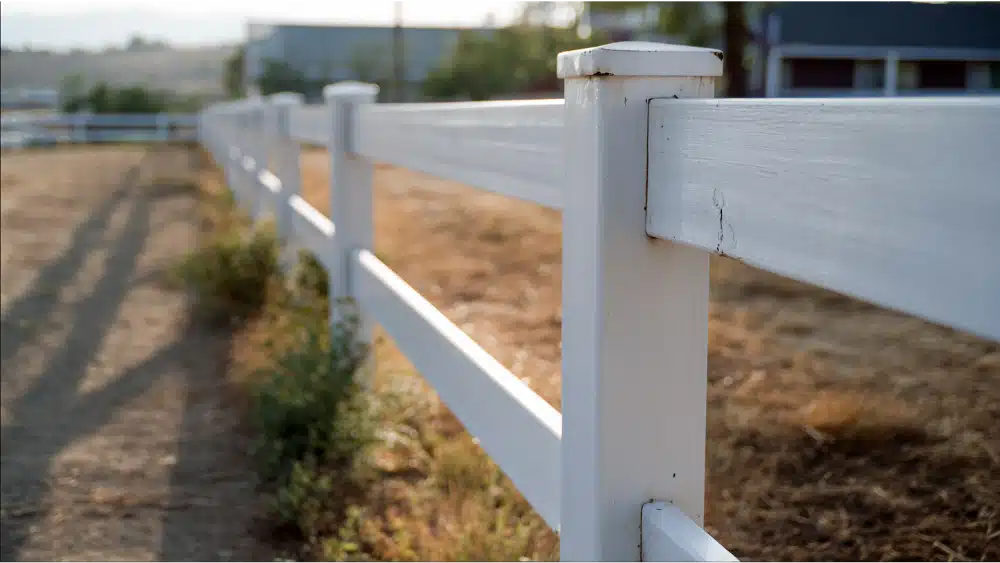
A vinyl fence is a smart, low-maintenance choice for many homeowners. Unlike wood, vinyl does not deal with insect damage or moisture damage in the same way, but every fence still needs proper support. A sagging fence can happen when fence posts move, screws loosen, rail ends shift, or the post hole was not dug to proper depth. Ground movement, heavy rains, strong winds, poor drainage, and soil erosion can also put pressure on the post and concrete footing.
Posts Are Spaced Too Far Apart
Post spacing matters because fence panels need steady support from both sides. If fence posts are too far apart, the middle of the section can dip. Over time, this can create a leaning fence or a sagging fence that pulls on nearby sections. One post that moves can affect multiple posts, and soon the fence line may no longer look clean or level.
Rails Are Not Reinforced
Vinyl fence panels rely on rails for strength. If the rails are weak, hollow, or poorly fastened, the fence panels may begin to sag. Screws, rail ends, and connections all matter. Installers often add extra support where needed so the fence can handle wind load, heat, and daily use.
Posts Are Not Set Deep Enough
Shallow posts are one of the most common reasons for a leaning fence. A post hole should be deep enough for the fence height, soil condition, and ground level. Installers may use a post hole digger, compacted gravel, concrete mix, and concrete footing to give each post added stability. When the concrete sets properly, the post is better protected from post movement and ground movement.
Gates Add Extra Stress
Gate posts carry more stress than regular fence posts. A gate frame swings, latches, and carries weight every day. If the gate size is too large, the screws are loose, or the gate frame lacks a diagonal brace, the gate can pull the post out of line. That is when a leaning fence often begins near the opening.
Heat and Weather Cause Movement
Vinyl expands and contracts as temperatures change. Dark colors may absorb more heat, and a big storm can test the fence with strong winds and heavy rains. Poor drainage can soften the soil around fence posts, while soil movement and soil erosion can weaken the concrete footing over time.
How Professional Installers Prevent Vinyl Fence Sagging
Professional installers protect the fence from sagging by building strength into the structure from the start. They check the property line, plan the layout, dig every post hole carefully, set posts in concrete, and make sure the fence line is level. The goal is simple: a fence that looks beautiful on day one and stays strong year after year.
They Follow Proper Post Spacing
Good installers do not stretch sections too far. Proper post spacing gives fence panels the support they need. When fence posts are placed correctly, the fence line looks cleaner and the entire fence performs better. Poor spacing can create extra pressure between posts, especially during strong winds or ground movement.
Why Proper Spacing Matters
A leaning fence often starts when one post shifts. Then nearby fence panels begin to pull, dip, or separate. Correct spacing helps reduce post movement, protect structural integrity, and prevent a sagging fence from spreading across multiple posts.
They Use Reinforced Rails
Reinforced rails help prevent a sagging fence by supporting the weight between fence posts. Installers check screws, rail ends, brackets, and panel connections so each section stays firm. This is especially important for privacy styles, wide sections, and places where the fence requires more strength.
Where Reinforcement Matters Most
Reinforcement matters most near gate posts, long runs, horizontal styles, and wide sections. A gate frame may also need a diagonal brace for better support. The diagonal brace helps transfer weight through the gate frame instead of letting the gate drag down on one post.
They Set Posts Deep in Concrete
A strong fence starts underground. Installers dig the post hole, add compacted gravel when needed, place the post at proper depth, and pour concrete around it. The concrete footing holds the post steady while the concrete cures. Once the concrete sets, the post has added stability against ground movement, shifting soil, and strong winds.
What Happens When Posts Are Weak
Loose posts, leaning posts, and shallow posts can lead to structural failure. If an old post is in bad shape, professional fence post replacement may be needed. In some repairs, installers remove old concrete and pour new concrete so the fence has better support, which also helps address why fences lean and how to fix them.
They Reinforce Gate Posts
Gate posts need special care because the gate frame is always under pressure. Installers may use stronger hardware, deeper concrete, a diagonal brace, and careful hinge placement to keep the gate frame square. The screws must stay tight, the latch must line up, and the post must stay firm.
Signs a Vinyl Gate Needs Better Support
A gate that drags, sticks, or does not latch may be warning you about a leaning fence. Loose screws, small gaps, post movement, and a twisted gate frame are signs that professional help may prevent costly damage.
They Allow for Expansion and Contraction
A vinyl fence needs small gaps so the material can move with heat and cold. If installers force panels too tightly, ignore drainage, or fail to leave room for movement, the fence may bow or buckle. Proper drainage and correct spacing help the fence handle seasonal changes.
Why This Matters in California
In Sacramento-area yards, heavy rains, hot summers, ground movement, and shifting soil can all affect fence posts. A fence installed correctly accounts for soil erosion, concrete strength, wind load, ground level, and long-term support, especially when installed by a professional fence company in Sacramento.
They Choose the Right Vinyl Fence System
Not every vinyl fence is built the same. Stronger systems use better rails, stronger fence posts, quality screws, and secure connections. Other materials may offer different strengths, such as Durabond steel fencing for maximum durability, but vinyl can be a smart choice when the install is done with care.
Questions Homeowners Should Ask
Ask whether the fence posts will be set deep, whether the concrete footing is included, how the gate frame will be supported, and how the installer handles poor drainage. It is also wise to ask about old fence removal, disposal, and whether you can get a free fence estimate and consultation and learn about fence financing and payment options.
Horizontal Vinyl Fences Need Extra Support
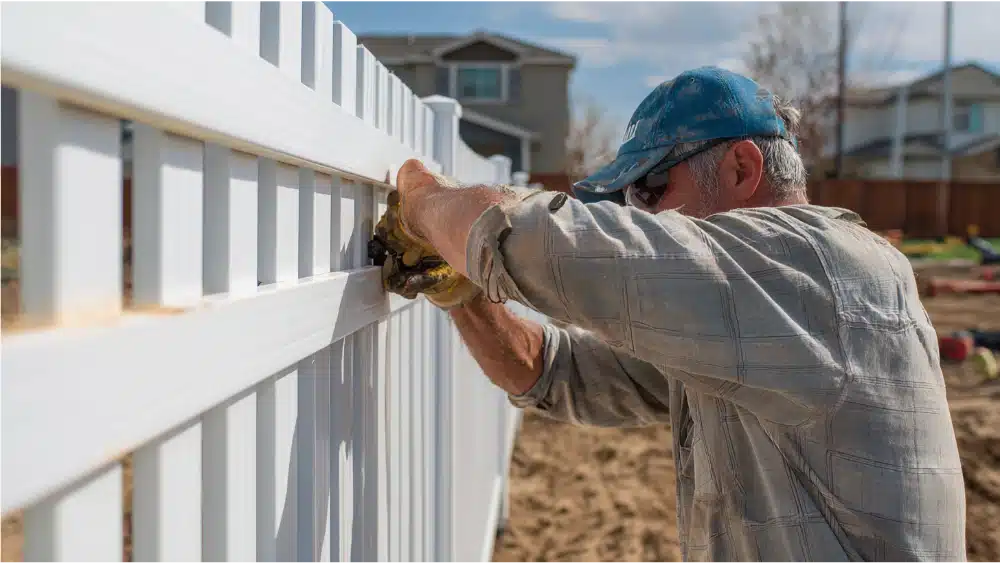
Horizontal fence styles look clean and modern, but they need careful planning. Long rails can sag if fence posts are too far apart or if the section lacks internal strength, so it pays to work with a full-service fence installation and repair company.
How Installers Strengthen Horizontal Vinyl Fencing
Installers may use closer fence posts, stronger screws, reinforced rails, and a diagonal brace at gates. They also watch for ground movement, heavy rains, and soil erosion that can cause a leaning fence.
Can a Sagging Vinyl Fence Be Fixed?
A sagging fence can sometimes be repaired, but the right fix depends on the cause. If screws are loose, the repair may be pretty straightforward. If multiple posts have shifted, the fence may need deeper post holes, new concrete, or a new post.
Minor Sagging May Be Repairable
Minor sagging may be fixed by tightening screws, adjusting rail ends, adding better support, or correcting small gaps. Homeowners should regularly inspect the fence so small issues do not become costly damage.
Severe Sagging May Require Rebuilding Sections
A severe leaning fence may mean improper installation, loose posts, poor drainage, or structural failure. In that case, replacing one post or resetting fence posts in concrete may be the best path.
How Homeowners Can Help Prevent Sagging After Installation
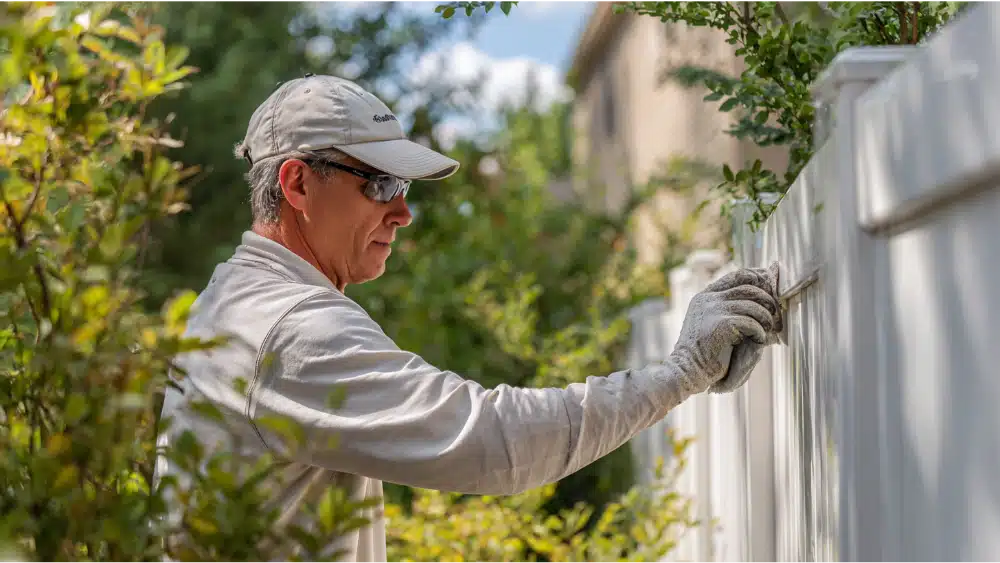
A vinyl fence does not need constant care, but it still deserves attention. Regularly inspect the fence after heavy rains, strong winds, or a big storm.
Keep Heavy Items Off the Fence
Do not lean lumber, bins, or equipment against fence panels. Constant pressure can bend rails, loosen screws, and create a sagging fence.
Trim Plants and Vines
Plants can push against the fence line and trap moisture near the ground level. Wire mesh or garden barriers may help keep vines and pets from pressing into the fence, which is especially important for homeowners working with a trusted fence company in Citrus Heights, CA.
Check Gates Once or Twice a Year
Look at the gate frame, hinges, latch, screws, and gate posts. If the gate is dropping, a diagonal brace or hardware adjustment may help, and residents can always turn to a trusted fence company in Grass Valley, CA for professional support.
Call Early When Something Looks Off
A leaning fence is easier to fix early. Waiting can turn a small post movement issue into damage across the entire fence, so West Sacramento homeowners may want to contact a local fence company in West Sacramento, CA before issues spread.
Why Professional Installation Matters
A fence is only as strong as the care behind it. Improper installation can lead to sagging fence sections, leaning posts, poor drainage problems, and structural integrity concerns.
A Straight Fence Starts Before the First Panel Goes Up
Installers measure the property line, dig each post hole, set posts in concrete, and make sure the fence line is straight. Every post matters.
The Difference Between Quick Work and Quality Work
Fast work may look fine at first, but quality work lasts. A careful install helps the fence handle heavy rains, shifting soil, strong winds, and daily use.
Fantastic Fence’s Homeowner-First Approach
At Fantastic Fence, we care about the details because your yard matters. We build with strong fence posts, careful concrete work, clean lines, and long haul performance in mind. From worn and wobbly to strong and stunning, your fence should feel like something you can count on.
FAQs About Preventing Vinyl Fence Sagging
Do all vinyl fences sag over time?
No. A vinyl fence that is installed correctly with strong fence posts, secure concrete, and proper support should stay straight for years.
What is the most common reason vinyl fence panels sag?
The most common causes are improper installation, shallow posts, loose posts, poor drainage, and weak rails.
Should vinyl fence rails be reinforced?
Yes. Reinforced rails help protect structural integrity and reduce the chance of a sagging fence.
How far apart should vinyl fence posts be?
Most systems use carefully planned spacing based on the fence style, height, and manufacturer guidance.
Can heat make vinyl fence panels sag?
Yes. Heat can make vinyl move, so installers leave small gaps and use strong support.
Why do vinyl gates sag faster than fence panels?
A gate frame moves often and pulls on gate posts. Without proper support, the gate can create a leaning fence.
Can a sagging vinyl fence be repaired?
Sometimes. Minor issues may need screws, adjustments, or better support. Severe issues may need a new post, new concrete, or rebuilt sections.
Is vinyl fencing a good choice for Sacramento-area homes?
Yes. With the right install, concrete, drainage, and post support, vinyl can be a strong, beautiful, low maintenance fence choice.
Final Thoughts: A Vinyl Fence Should Stay Strong, Straight, and Beautiful
Installers prevent a sagging fence by protecting the structure from the start. They use the right post hole depth, concrete footing, fence posts, screws, gate frame support, proper drainage, and careful spacing. When the fence is built well, the entire fence feels stronger, cleaner, and more dependable. Your yard deserves better, let’s make it happen.