Key Takeaway
A private fence is a solid or near-solid barrier built to block sightlines into your yard, patio, or pool area, commonly called a privacy fence. Wood, vinyl, and composite are the most popular materials, each balancing upkeep, cost, and appearance differently. Before choosing a material or height, identify the exact sightline you want blocked and confirm local zoning rules, since permitted heights vary by yard location and jurisdiction.
A “private fence” almost always means a privacy fence: a solid or nearly solid fence built to block sightlines into your yard, patio, or pool areas. Wood, vinyl, and composite are the most common materials, and the right one depends on how much seclusion you want, how much maintaining you’re willing to do, and the outdoor space you’re trying to create. This guide walks the decisions in order, from the view you want blocked to the local rules you should check before you price anything. If you’re really asking whether a fence is yours or shared with a neighbor, we cover that too.
What Is a Private Fence (and Is It the Same as a Privacy Fence)?

Same thing in everyday use. A privacy fence is defined by purpose: block sightlines with solid panels, closely spaced or overlapping pickets, or screening fixed to an open frame. Visual seclusion is the main benefit, with some added security as a bonus. There’s no national height or opacity threshold that legally makes a fence a “privacy fence,” and the four-to-six-foot figures repeated online are conventions, not law.
The other meaning is ownership. A private fence can be one you own outright, sitting entirely on your property, rather than a shared boundary fence. In California, a fence on the dividing line between two parcels is presumed to benefit both owners under Civil Code §841. We cover that in our good neighbor fence law article.
Start With the Sightline, Not the Material
Most homeowners start by browsing styles and saving privacy fence ideas. Start instead by naming exactly what you want to stop seeing, or seeing you.
- Pedestrians and street views
- A neighbor’s patio or windows
- A raised deck or second-story sightline
- A pool or outdoor entertaining space
- A narrow side yard, trash containers, or HVAC equipment
- Wind cutting across a patio or garden bed
Here’s what surprises people: the tallest fence your city allows may not solve an elevated sightline. If the view comes from an upstairs window or a deck above your grade, a taller fence often does less than a garden screen or moving your seating a few feet. Go stand where you actually sit and relax, look at what bothers you, and you’ll discover the design almost picks itself.
Full Privacy vs. Semi Private Fences: What’s the Difference?

Full privacy means solid, with no gaps to see through. Semi private fences trade some seclusion for light and the airflow that keeps a patio cool, and not every design performs the same way.
| Design | Sightline control | Airflow | Best for |
|---|---|---|---|
| Solid / full privacy | Highest | Lowest | Backyard perimeter, patios |
| Board-on-board | High; resists sight gaps as wood moves | Low | Long-term wood privacy |
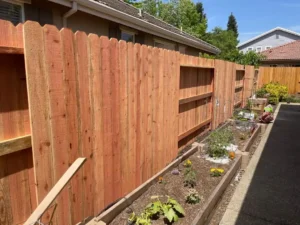
| Shadowbox / good neighbor fence | Partial to high by viewing angle | Better | Shared boundaries, same look both sides |
| Louvered | Blocks direct views | Better | Targeted patio screening |
| Lattice-top | Solid below, open above | Moderate | Softer garden look |
| Open iron or chain link | Low alone; slats add screening | Highest | Boundaries, containment, visibility |
Shadowbox, louvered, and spaced horizontal designs get sold as “full privacy” all the time. They aren’t. Walk past one at an angle and you can see through the gaps. That’s a fair trade for breeze and filtered light, but know you’re making it.
A few ideas to explore: a lattice-top panel over a solid lower section, horizontal boards with a narrow reveal, or a louvered screen aimed only at the neighbor’s window. Each creates a harmonious blend of cover and openness, allowing light through while still hiding what bothers you.
Which Privacy Fence Materials Are Best?
There’s no single winner. Judge aesthetics and functionality together, then pick based on what you care about most: appearance, upkeep, durability, or an affordable budget.
Wood Fence: Best When You Want a Classic, Affordable, Customizable Look
Wood gives you true full privacy with natural warmth, and it’s the most affordable route to a custom look. It takes stain well and can be constructed to almost any height or style your code allows, including horizontal boards or a spaced semi private layout. The trade-off is upkeep: plan on staining or sealing and swapping a board now and then. Posts are where wood fences fail first, which is why Bolt-Up Hidden Steel Posts matter. You get the clean wood face with far stronger posts underneath.
Vinyl Fence: Best When Low Maintenance Matters Most
Vinyl delivers consistent solid-panel privacy with very little maintenance. Wash it instead of staining it. It’s weather-resistant, won’t rot or attract pests, and comes in both full privacy and semi private panel styles. Two honest trade-offs: a damaged panel gets replaced rather than patched, and color and style choices are narrower than wood. Vinyl also prices higher than wood up front, which many homeowners accept for the low upkeep. Our wood vs. vinyl comparison goes deeper.
Steel and Metal Panel Fences: Best for a Modern, Durable, High-Security Look
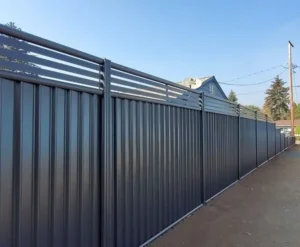
Durabond steel and corrugated metal create a sleek modern screen with real strength and almost no maintenance. Watch for heat and glare in a sun-exposed environment, wind load on solid panels, and grade and drainage details that need a professionally designed post system. In fire-prone areas, CAL FIRE’s home-hardening guidance recommends a noncombustible first eight feet for any fence attached to the house. More in our wildfire hardening article.
Composite, Masonry, and Open Styles: What Else to Consider
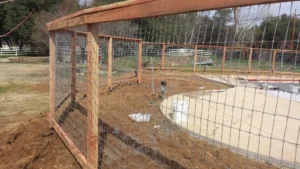
Composite mimics wood with less upkeep and sits at the top of the material price range. Masonry is the most durable of these and the best at blocking sound, though it brings engineering, drainage, and permitting considerations. Chain link and ornamental iron aren’t private alone, but slats woven through the wire mesh change that, along with wind load and sometimes how code treats the fence. In a narrow side yard, an open style with slats keeps the space from feeling boxed in.
How Tall Should a Privacy Fence Be?

The right height is whatever breaks the sightline you identified, within what your jurisdiction allows. There is no national legal height. Permitted height varies by front versus side versus rear yard, corner-lot visibility triangles, setbacks, zoning district, pool use, and whether the fence sits on a retaining wall. Here’s the distinction most articles skip: a fence can be exempt from a building permit and still violate zoning. California also treats spite fences over 10 feet, built maliciously to annoy a neighbor, as a private nuisance under Civil Code §841.4. Confirm height with your city or county planning department and your HOA before ordering materials. Local readers can start with our guide to Sacramento fence height and permit rules, city vs. county.
What to Check Before You Install a Privacy Fence
Run this list before the first post hole. It keeps the installation process from stalling out.
- Confirm which jurisdiction your parcel sits in. A mailing address isn’t proof.
- Locate the property line, walk the fence line, and review your title documents for easements and utility corridors.
- Check zoning and permit requirements, then HOA architectural guidelines and CC&Rs.
- Talk with your neighbors on a shared boundary. California Civil Code §841 requires 30 days’ prior written notice before seeking shared costs.
- Call 811 before digging. USA North 811 asks for at least two working days’ notice, and a standard California ticket stays valid 28 calendar days.
- Plan for irrigation, drainage, grade changes, and gate swing. If you’re containing a dog, check the gap at the bottom.
- Around water, an ordinary privacy fence doesn’t automatically qualify as a pool safety fence. California requires a qualifying enclosure of at least 60 inches with self-closing, self-latching gates.
What Affects the Price of a Privacy Fence Project?
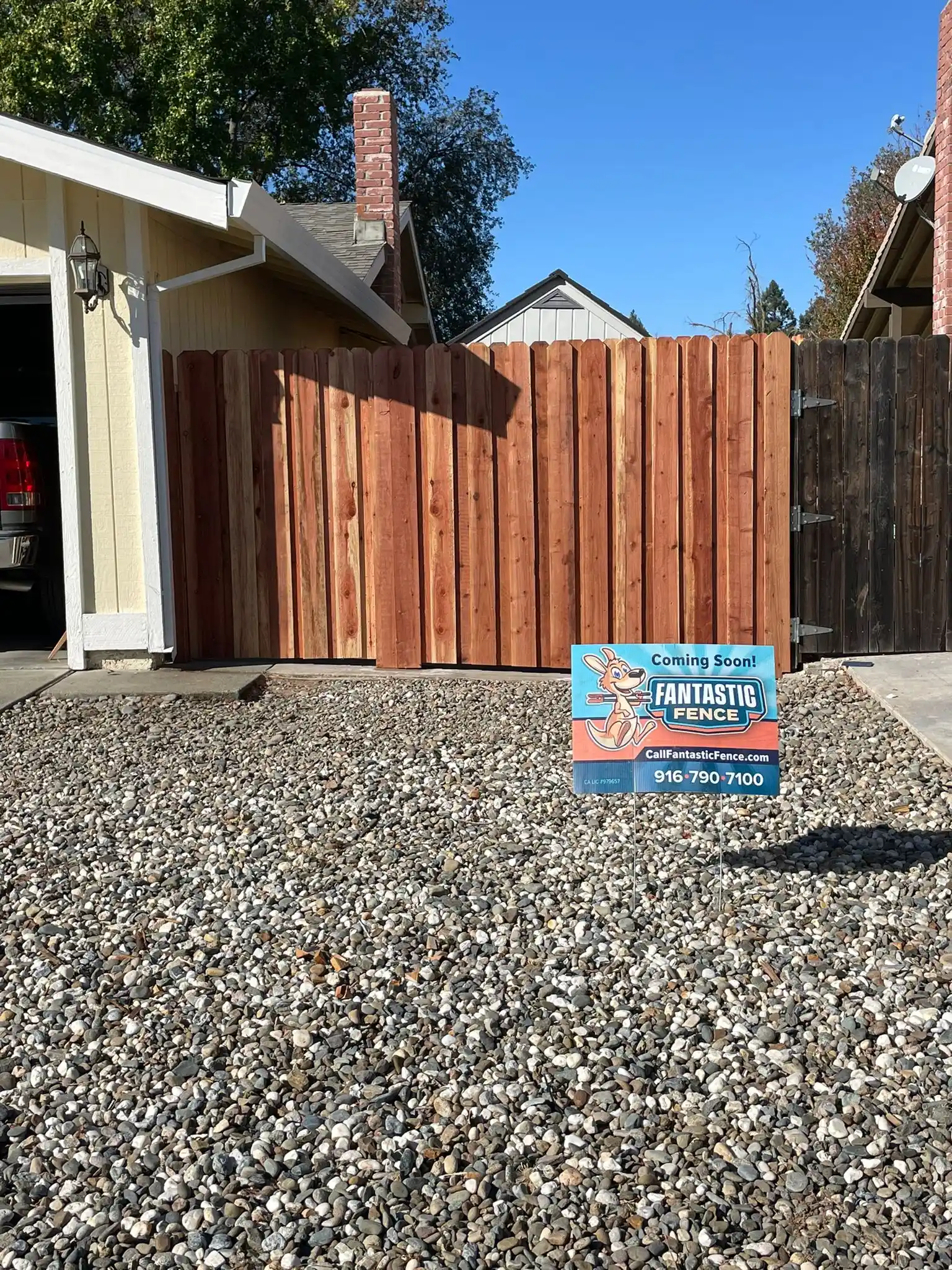
Every price quote comes down to the same factors:
- Linear footage and height
- Material choice, and full privacy versus semi private design
- Number and size of gates, including any automated gate system
- Slope, rock, and site access
- Demolition and haul-away of an old fence
- Post depth, post material, and soil conditions
- Permit fees, and custom build versus stock panels
Our Fence Price Calculator gives you a self-serve ballpark, and a free fence estimate gives you flat pricing with zero hidden fees. Send a few photos or a short video of the fence and we can point you in the right direction faster. Financing is available for Sacramento-region residents.
Does a Privacy Fence Add Security or Reduce Noise?
Partly, on both counts. A solid panel discourages casual entry, but privacy fencing isn’t engineered high-security fencing, and gates and hardware matter more than panels. On sound, a fence that fully breaks the line of sight can make traffic feel less intrusive, with mass and height contributing most to the result. That’s why masonry performs best, and why no residential fence is soundproof. When access control is the real goal, automated gates and gate openers are the conversation, and a gate opener can be added to most styles later.
Should You Repair, Modify, or Replace Your Fence?
Repair when damage is isolated, posts and rails are sound, and the fence already gives you the height and privacy you need.
Modify when only one sightline needs screening and the existing posts can carry the extra wind load. Converting one run to a semi private design is often the most cost effective fix for a single bad view.
Replace when posts are failing, sections lean or rot, the style can’t deliver the privacy you want, or the same repairs keep coming back. A full-service company handles repair, replace, and installation, so ask for an honest read rather than a default recommendation.
What to Expect From a Professional Fence Installation

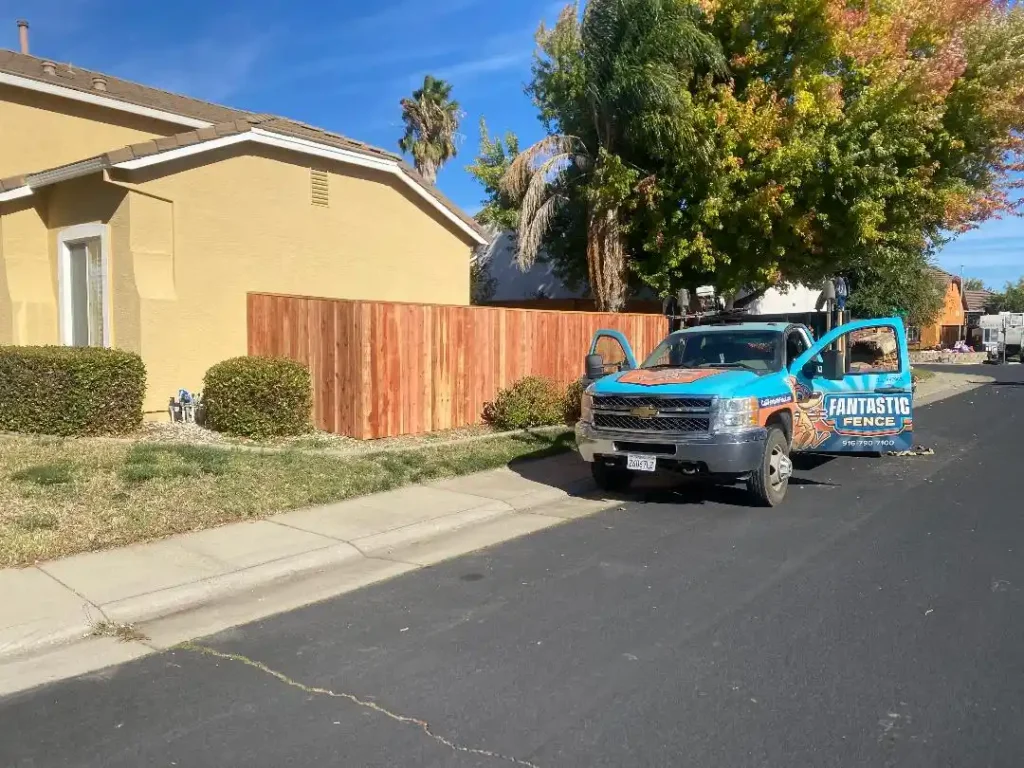
If you’ve been through unreturned calls, a crew that never showed, or a yard left full of scrap, that caution is earned. The California Contractors State License Board tells homeowners to verify license status, confirm insurance, and get written bids based on the same scope. Beyond that, expect material specs in writing, clear property-line responsibility, flat pricing with zero hidden fees, a straight answer about who will do the work, a cleanup commitment, and a written guarantee with your final sign-off. That’s the story behind Fantastic Fence: Dominic Vella got burned hiring fence contractors for his own property, and in 2011 he and Steve Kempster built the company they wished they’d hired. We’re licensed, bonded, and insured under CSLB License #979657, with approximately 35 background-checked W-2 employees, over 1,000 five-star reviews, and the understanding that we’re guests on your property.
Private Fence FAQs
What is the average cost to put in a privacy fence?
It depends on linear footage, height, materials, gates, and site conditions like slope and access. Run your numbers through our Fence Price Calculator, then request a free fence estimate for flat pricing on your actual project.
What is the most affordable option for a privacy fence?
Chain link with slats or a basic wood fence are typically the lowest-price ways to get real screening. Both ask more of you over time: slats can loosen or fade, and wood needs staining and the occasional board swap.
Is it cheaper to buy or build a privacy fence?
Stock panels usually price out lower, but a custom fence fits sloped or irregular yards better and lasts longer when posts are set properly. Stock sizes also leave you with limited design choices. Count the real cost of DIY installation too: tools, disposal, permits, and rework.
Is a semi privacy fence a good idea?
Semi private fences work well when you want airflow, light, and a modern look without walling in the whole yard. They’re a common pick for garden-facing runs and front-yard sections. Just don’t expect them to block every angle.
What is the difference between a private fence and a privacy fence?
In everyday use, nothing. Both describe a fence built to block sightlines. “Private” can also describe a fence you own solely, rather than a boundary fence shared with a neighbor.
Get a Free Fence Estimate
Tell us the view you’re trying to block, how much upkeep you want to sign up for, and whether repair, a modification, or full replacement makes sense. We’ll bring durable materials and real ideas to the walkthrough and price it flat, so your backyard can go back to being the sanctuary where you unwind. We install and repair fencing across Sacramento and Roseville, plus Sacramento, Placer, El Dorado, Yuba, Yolo, and Nevada counties. Call Us or Book Online. Ready for a fence you’ll actually love? Let’s talk.