How to Choose the Right One for Your Home

If your gate has started to drag, sagging just enough to catch the ground, or refuses to shut the way it used to, you’re not alone. Most homeowners don’t think much about hinges until something goes wrong. Then suddenly, every time you open or close that gate, it becomes a reminder that something isn’t right, and it may be time to look into fixing common gate issues and hardware problems.
When we talk about what hinge types are used for heavy duty gates, we’re really talking about the difference between frustration and peace of mind. A heavy duty gate puts constant stress on every connection point, and the hinges carry that load every single day. The right heavy duty hinges bring smooth movement, reliable performance, and long term durability. The wrong ones lead to sagging, misalignment, and ongoing repairs.
This guide will walk you through the types of heavy duty gate hinges, how they work, and how to choose the best option for your home.
Why Heavy Duty Gates Need the Right Hinges (Not Just Any Hardware)
A heavy duty gate is not like a lightweight garden gate or interior doors. The weight alone changes everything. Add width and daily use, and you have a system that needs serious support.
The load bearing capacity of your hinges determines whether your gate stays level or begins sagging over time. This is where many homeowners run into trouble. They choose hinges based on appearance instead of weight capacity, or they underestimate how much stress a wide gate creates on the post.
Heavy gates require hinges that are designed to handle both vertical weight and horizontal force. The wider the gate, the more leverage it creates, which increases the load on the hinges and the post.
That is why heavy duty gate hinges are built differently. They are thicker, stronger, and designed for durability in outdoor conditions. Choosing the right hinge styles is critical for long term performance and security. If the hinges fail, the entire gate system can fall out of alignment or even fall completely.
The 5 Main Types of Heavy Duty Gate Hinges (Explained Simply)

Strap Hinges: The Go-To for Large Wood Gates
Strap hinges are one of the most commonly used types of heavy duty hinges for wood gates. These hinges extend across the surface of the gate frame, spreading the load over a wider area. This design reduces stress on any single point and helps prevent sagging.
For large wood gates, strap hinges are often the best option because they provide both strength and visual balance. They are typically attached using screws or bolts, depending on the material and size of the gate. The longer the strap, the better the support. This is especially important for heavy gates where weight distribution matters.
Strap hinges are durable, reliable, and crafted to handle outdoor exposure. They are often made from steel or stainless steel to improve longevity and resist rust. For homeowners dealing with sagging gates, upgrading to strap hinges can make a noticeable difference in performance.
Ball Bearing Hinges: Smooth Operation for Daily Use
Ball bearing hinges are designed for smooth operation and long term durability. Inside the hinge, small bearings reduce friction as the gate swings open and shut. This creates smooth movement even under heavy weight.
These heavy duty hinges are commonly used on metal gates, aluminum gates, and high traffic entry points. They are ideal for situations where the gate is opened and closed frequently throughout the day. Over time, this reduced friction helps maintain performance and prevents wear.
Ball bearing hinges are typically made from steel or stainless steel, which adds strength and corrosion resistance. For homeowners who want a gate that feels effortless to use, this hinge style delivers consistent results. They are also a great option for commercial properties where durability and reliability are critical.
Adjustable Hinges: Built for Long Term Alignment
Adjustable hinges are designed to solve a problem every homeowner eventually faces: movement over time. Soil shifts, temperature changes, and daily use all affect how a gate sits.
With adjustable hinges, you can adjust the position of the gate without removing the entire system. This helps maintain proper alignment and prevents sagging. Adjustable hinges are especially useful for heavy duty gate installations where even a small shift can create a noticeable gap or cause the gate to stick.
These hinges typically use bolts that allow for fine tuning after installation. This feature makes them one of the best options for long term durability. Instead of replacing parts, you can make simple adjustments to keep everything working properly. For homeowners who want peace of mind, adjustable hinges offer flexibility and control.
J Bolt Hinges: Maximum Strength for Wide Openings
J bolt hinges, also known as hook and band hinges, are built for strength. These heavy duty gate hinges use a bolt that attaches directly into the post, creating a strong anchor point. The hinge band then hooks onto the bolt, allowing the gate to swing freely while maintaining support.
This design is commonly used for extremely heavy gates, including driveway and farm gates. The ability to adjust the horizontal position makes these hinges ideal for wide openings where alignment is critical.
J bolt hinges are typically made from steel or stainless steel and are designed to handle high weight capacity. For homeowners dealing with large gates, this hinge style provides both strength and adjustability.
Weld On Hinges: The Standard for Steel and Iron Gates
Weld on hinges are the strongest option for metal gates, especially when paired with a welded steel frame for your gate. These hinges are welded directly onto the gate and post, creating a permanent and secure connection. Because they are welded directly, they eliminate the risk of screws or bolts loosening over time.
Weld on hinges are commonly used for steel gates, commercial gates, and custom designs. They are designed for maximum durability and can handle extremely heavy gates with ease.
Weld on hinges require professional installation, as the weld must be done correctly to ensure strength and safety. When installed properly, these hinges offer unmatched longevity and performance. For homeowners looking for the highest level of strength, weld on hinges are often the best option.
How to Choose the Right Hinge for Your Gate (Without Guessing)
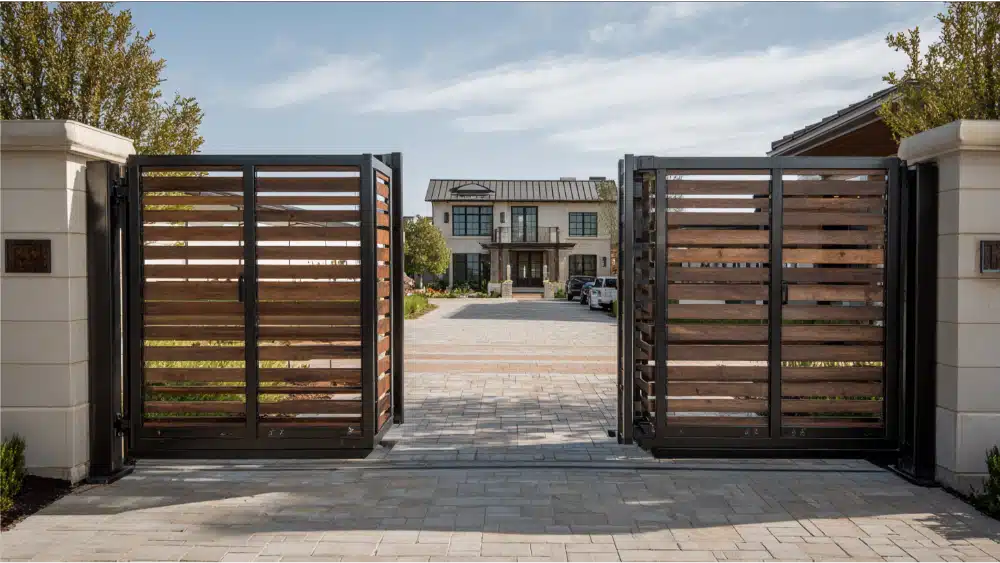
Consider the Gate Weight
The weight of your gate is one of the most important factors in choosing the right hinges. Heavy gates require hinges with a high load bearing capacity. A general guideline is to choose hinges that exceed the total weight of the gate to ensure long term durability. This helps prevent sagging and reduces stress on the system.
Think About Gate Width and Height
Width plays a major role in how much load is placed on the hinges. A wider gate creates more leverage, which increases the stress on the hinges and the post. For large gates, choosing heavy duty gate hinges with higher weight capacity is essential.
Match the Hinge to the Gate Material
Different types of material require different hinge solutions. Wood gates often use strap hinges or bolt on hinges, while metal gates rely on weld on hinges or ball bearing hinges. Choosing the right material combination ensures durability andChoosing the right material combination ensures durability and smooth operation over the long term. For instance, bolt on hinges work well with wooden gates because they can be securely fastened with bolts, providing strong support while allowing for easier installation and maintenance compared to weld on hinges. Weld on and bolt options each have their place in the market depending on the gate type and user preferences.
Consider Environmental Factors
Outdoor gates face various weather conditions that can affect hinge performance. Corrosion resistance is crucial, especially in coastal or humid environments. Stainless steel hinges are a top choice for these conditions because they resist rust and maintain strength over time. Galvanized steel is another option that provides good protection against the elements at a more affordable price point. Spring hinges, which incorporate a built-in spring mechanism, can be useful in gates that need to self-close, but they must be chosen carefully to ensure they can handle the gate’s weight, environmental exposure, and automatic gate safety requirements.
Think About Usage Frequency
How often the gate is used also impacts hinge choice. For gates with heavy daily use, such as commercial entrances or busy residential driveways, ball bearing hinges are ideal. Their design reduces friction and wear, ensuring smooth operation even after thousands of cycles. For less frequently used gates, other heavy duty hinges like strap or butt hinges might suffice, provided they meet the weight and durability requirements.
Additional Types of Heavy Duty Hinges to Know

While the five main types cover most scenarios, several other hinge varieties are worth mentioning:
- Butt Hinges: These are traditional hinges commonly used on doors but can also be adapted for heavy gates. They consist of two plates joined by a pin and are often reinforced for heavy-duty applications. Butt hinges are typically used where a flush, clean look is desired.
- Spring Hinges: These hinges contain a spring mechanism that allows the gate to close automatically. They are useful for security purposes and must be selected with automatic gate safety standards in mind, and they need to be rated for heavy gate weights to avoid premature failure.
- Pintle Hinges: Featuring a simple pin design, pintle hinges allow the gate to be lifted off easily for maintenance. They are popular in agricultural settings and for livestock gates due to their straightforward construction.
- Pivot Hinges: These carry the gate’s weight on a single pivot point, often using needle or thrust bearings. Pivot hinges are ideal for heavy metal gates where a clean, minimal hinge profile is desired.
Tips for Installing Heavy Duty Gate Hinges
Proper installation is just as important as selecting the right hinge type. Here are some key tips to ensure your heavy duty hinges perform well:
- Use Multiple Hinges: For gates over 330 to 440 pounds, adding a third or even fourth hinge helps distribute the weight and prevents sagging. For gates taller than 1.2 meters, this is especially important, and a professional can help troubleshoot and correct structural gate issues.
- Secure Mounting Surface: Ensure the gate posts or walls where hinges attach are sturdy and well-anchored. Weak posts can undermine even the strongest hinges.
- Correct Fasteners: Use bolts or screws rated for outdoor use and heavy loads. Avoid nails or weak fasteners that can loosen over time.
- Alignment Checks: During installation, check that the gate hangs level and swings freely without binding. Adjustable hinges can help fine-tune alignment after installation, and ongoing gate troubleshooting and adjustments can keep everything working smoothly.
- Professional Welding: If using weld on hinges, hire a professional welder to ensure strong, clean welds that will hold up under heavy loads.
Maintenance for Heavy Duty Gate Hinges
To keep your heavy duty gate hinges in top shape, regular maintenance is essential:
- Lubricate Bearings: For ball bearing and pivot hinges, apply lubricant periodically to reduce friction and wear, which can also help prevent weird noises from an automated gate while it’s moving.
- Inspect for Rust: Check for corrosion, especially in coastal or humid environments. Replace or treat hinges showing significant rust as part of your quick checks when an automatic gate stops working.
- Tighten Fasteners: Over time, bolts and screws can loosen. Regularly check and tighten them to maintain hinge stability and avoid situations where a gate stops midway or moves erratically.
- Adjust as Needed: Use adjustable hinges to correct any sagging or misalignment before it becomes a bigger problem, and schedule professional automatic gate repair services if issues persist.
- Clean Hinges: Remove dirt, debris, and buildup that can affect hinge movement, especially on automated systems where buildup can cause gates to stop responding to remote controls. The right maintenance routine also depends on whether you’re using a swing gate or a slide gate.
FAQs About Heavy Duty Gate Hinges
Can bolt on hinges work for heavy wooden gates?
Yes, bolt on hinges work well for heavy wooden gates as they provide strong attachment points and are easier to install and maintain compared to weld on hinges.
What is the difference between weld on and bolt hinges?
Weld on hinges are permanently fused to metal gates and posts, offering maximum strength and durability, while bolt hinges are attached using bolts or screws, allowing easier removal or adjustment but potentially less strength.
Are spring hinges suitable for heavy gates?
Spring hinges can be used for heavy gates if they are specifically rated for the gate’s weight. They are beneficial for self-closing gates but require proper selection to avoid premature wear.
How many hinges should I use for a heavy gate?
For gates over 330 to 440 pounds or taller than 1.2 meters, using three or more hinges is recommended to distribute the load and prevent sagging.
What materials are best for heavy duty gate hinges?
Stainless steel and galvanized steel are excellent choices due to their corrosion resistance and strength. Steel or iron hinges with heavy-duty bearings are also common for their durability.
Conclusion: Choosing the Right Heavy Duty Gate Hinges for Your Needs
Selecting the appropriate hinge types for heavy duty gates is a critical decision that impacts gate performance, longevity, and security. Various types such as strap hinges, ball bearing hinges, adjustable hinges, J bolt hinges, and weld on hinges each serve specific purposes and suit different gate materials and weights.
Understanding your gate’s weight, size, material, usage frequency, and environmental conditions helps narrow down the best hinge choice. Incorporating additional hinges for very heavy or wide gates, choosing corrosion-resistant materials like stainless steel, and ensuring proper installation and maintenance will keep your gate functioning smoothly for years to come.
Remember, the market offers various types of heavy duty hinges to meet diverse customer needs. Whether you’re a homeowner, contractor, or business owner, investing in the right pair of hinges designed for heavy loads is essential for peace of mind and reliable gate operation.