When homeowners ask what factors affect custom fence design choices, the real answer starts with life at home. A custom fence is not just a boundary; it shapes privacy, security, comfort, curb appeal, and the way an outdoor space feels every day. The right fence can turn a worn or exposed yard into a calm, useful, and beautiful part of the home.
Choosing a fence takes careful consideration because every property is different. One family may need more security for children and pets. Another may want privacy from prying eyes. Someone else may be focused on visual appeal, maintenance, or a design that fits their architectural style. The perfect fence should support your needs now while also respecting your future plans.
At Fantastic Fence, we believe the best custom fence design starts with listening. Before talking about materials, gates, or installation costs, it helps to understand what you want your space to become. From there, every choice becomes clearer.
Your Main Reason for Building the Fence
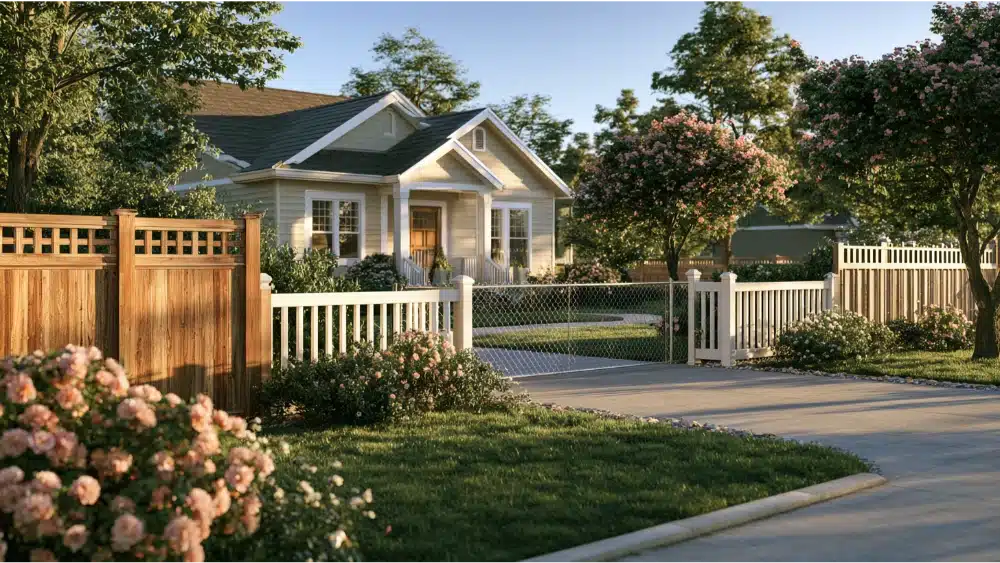
The primary purpose of the project should guide the entire fence design. A privacy layout will look different from a decorative front-yard style. A pool area may need extra security, which is where thoughtful pool fence ideas that keep your family safe make a real difference. A side yard for pets may need strong gates, tight spacing, and smart latch placement.
The right fence should solve the real problem. If your backyard feels too open, solid panels may help create peace. If your property needs better separation, clear property lines may matter most. If the goal is beauty, the design elements should support the home instead of competing with it.
Privacy
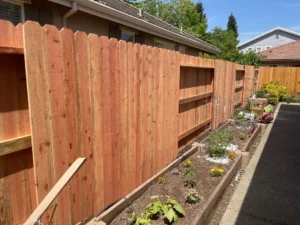
Privacy is one of the most common reasons homeowners begin a fencing project. A custom fence can create a quiet outdoor space where the family can relax, eat, garden, or enjoy outdoor living areas without feeling exposed. Wood, vinyl, and composite materials can all work well when privacy is the goal.
Safety for Children and Pets
Security matters deeply when children and pets use the yard. Height, spacing, gate placement, and hardware all play a key role. The right fence can help create a safe area without making the yard feel closed in or heavy.
Curb Appeal
Curb appeal is another significant factor. A front or side design should add visual interest and make the property feel cared for. Clean posts, decorative features, and a thoughtful finish can improve the fence’s appearance while still keeping the home warm and welcoming.
Property Separation
Some projects are about creating clear property lines. A clean, well-built custom fence can reduce confusion, define the yard, and help the whole property feel settled.
Local Rules, Permits, and Property Lines
A beautiful design still needs to follow local regulations. This is where practical considerations become just as important as personal style. Understanding whether you need a permit to build a fence is key, because local regulations can affect fence height, placement, visibility, pool safety, and approved materials.
Good local fence companies understand how to help homeowners make an informed decision before installation begins. The goal is not to make the process feel complicated. The goal is to protect your investment and avoid surprises.
Height and Placement
Fence height affects privacy, security, and neighborhood approval. A backyard may allow a taller design, while a front yard or corner lot may need a lower or more open look. The right fence balances comfort with compliance.
Shared Boundaries
When a project affects shared property lines, neighbor communication matters. A kind conversation can help prevent stress, save money, and keep the process respectful for everyone involved.
HOA Review
Some neighborhoods have rules about materials, color, and style. If an HOA is involved, a clear custom fence design can make approval easier and help the finished project feel right for the community.
The Style of Your Home and Neighborhood
A custom fence should look like it belongs. When the fence integrates with the home, the result feels natural, balanced, and finished. The design should support the architectural style, the landscape, and the visual harmony of the property.
Traditional Homes
Traditional homes often pair beautifully with classic wood, framed sections, cap boards, and natural wood finishes. Wood fences bring warmth, texture, and a natural look that many homeowners love. They can create privacy while adding aesthetic appeal.
Modern Homes
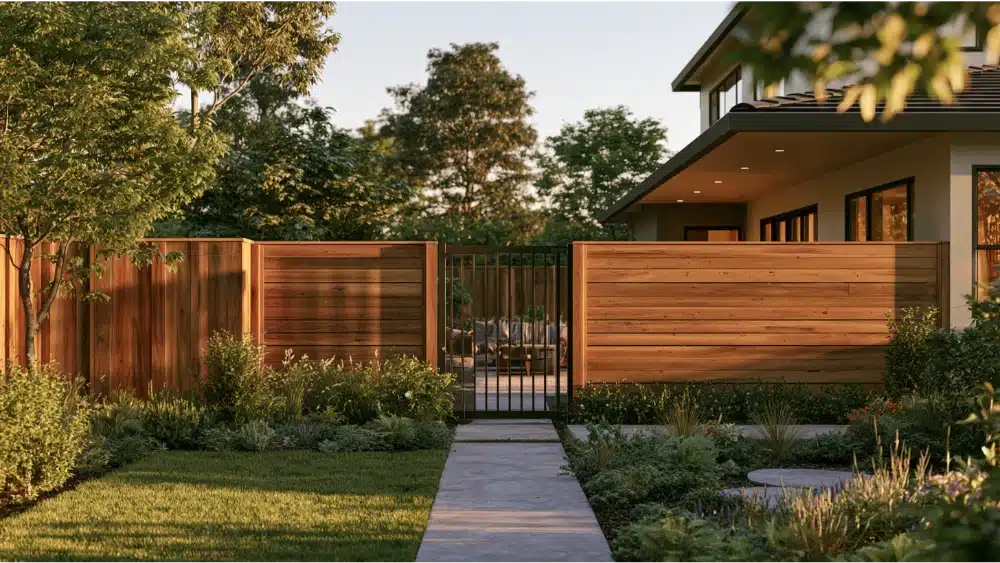
Modern homes often work well with clean lines, horizontal boards, metal fences, vinyl fencing, or composite materials. Many homeowners explore backyard fence designs that transform outdoor living because modern materials can create a polished look with less maintenance and strong visual appeal.
Everyday Backyards
In many neighborhoods, homeowners opt for a layout that is practical, attractive, and easy to live with. The right fence should support security, privacy, and daily routines, from opening a side gate to enjoying dinner outside.
Privacy Needs and Visibility
Privacy is not only about height. It is about sightlines, slopes, windows, patios, and how people move around the property. A smart custom fence design looks at the whole yard, not just the edge.
Full Privacy
Full privacy designs are best for backyards, pools, patios, and close neighbors. Wood fences, vinyl panels, and composite materials can create a solid screen that makes the outdoor space feel calmer and more personal.
Semi-Privacy
A semi-private layout can create separation while still allowing air and light to move through. This is helpful for gardens, side yards, and areas where the goal is comfort without a fully closed look.
Open Designs
Open options, including chain link fences and metal fences, work well where visibility matters. Chain link can define a boundary while keeping the yard open, practical, and easy to monitor.
Material Choice
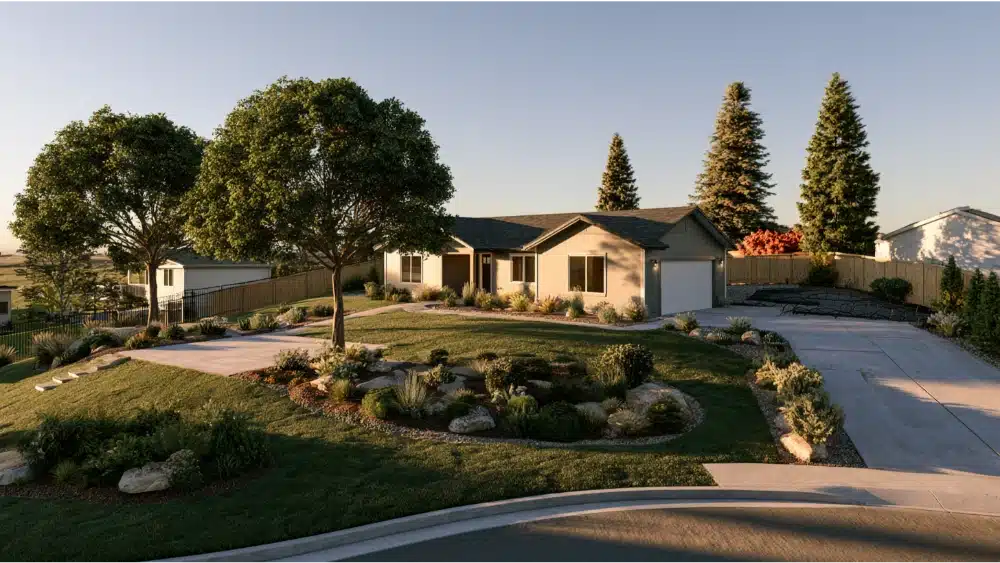
Material choice affects cost, maintenance requirements, style, security, and lasting value. No single fencing material is best for every property. The right material depends on your needs, budget, and design preferences.
Wood
Wood is warm, familiar, and flexible. Wood fences can be built in many custom designs, from simple vertical boards to board-on-board privacy styles. Wood can also be stained or painted to match the home and landscape.
Wood does require regular maintenance. Staining, sealing, and inspections help protect it from sun, moisture, and age. For many homeowners, the beauty of wood is worth the care.
Best For
Wood is best for privacy, natural beauty, custom details, and homes where warmth matters.
Vinyl
Vinyl is clean, bright, and low maintenance. It does not need paint or stain, and occasional cleaning usually keeps it looking fresh. For homeowners who want less maintenance, vinyl can be a strong fencing solution.
Best For
Vinyl works well for backyard privacy, clean lines, and a polished style with low maintenance.
Chain Link
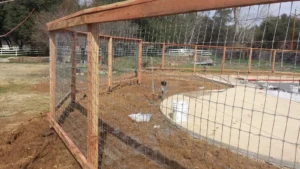
Chain link is practical, durable, and often budget friendly. Many homeowners compare chain link vs. wood fences when deciding what fits their property best. Chain link works well for side yards, pet areas, utility spaces, and large boundaries. It can also be paired with privacy slats when more screening is needed.
Best For
Chain link is best for security, pets, practical boundaries, and areas where function comes first.
Composite and Metal
Composite materials can bring a premium look with easier maintenance requirements. Durabond steel fencing is one example of a metal option designed for strength, fire awareness, and long-term durability in real-world conditions. Metal options are helpful around pools, gardens, and front areas where visibility matters. These materials can create strong visual appeal when matched to the home’s style.
Best For
Composite and metal options are best for modern homes, decorative spaces, and homeowners who want a durable fencing solution with less upkeep.
Budget and Long-Term Value
Budget considerations shape every custom fence conversation. Flexible fence financing and payment options can make it easier to start the right project without delaying important upgrades. In the Sacramento area, many privacy projects cost about $2,500 to $3,500 per side of the house, or about $7,500 to $10,500 for a full backyard. National privacy projects often range from about $1,800 to $8,000, with many averaging around $4,300.
Installation costs depend on size, materials, terrain, gates, demolition, access, and design elements. Understanding what fencing contractors charge per hour and per foot can also help you interpret quotes. A clear estimate helps you plan with confidence and choose the best fence for your home.
Size and Layout
A larger property needs more posts, panels, concrete, labor, and time. A small side section will usually cost less than a full backyard. Accurate measurements are the foundation of a fair installation plan.
Material Selection
Material selection has a major effect on price. Wood privacy work often runs about $40 to $60 per linear foot. Vinyl often runs about $50 to $60 per linear foot. Composite options may run about $70 to $90 per linear foot. Aluminum often runs about $48 to $55 per linear foot.
Gates and Details
Gates, slopes, corners, and custom details can affect installation costs. These choices may still be worth it when they improve security, daily use, or visual appeal.
Removal and Disposal
A new fence often starts with removing the old one. Fantastic Fence includes old removal and disposal at no extra charge, which helps the property move from worn and cluttered to clean and ready.
Yard Layout, Terrain, and Existing Conditions
Every yard has its own story. Slopes, trees, roots, soil, concrete, irrigation, and access points all affect custom fence design. A good plan works with the landscape instead of fighting it.
Sloped or Uneven Ground
Sloped ground may need stepped sections or adjusted panels. Many yards benefit from reviewing fence options for sloped ground to decide whether to slope or step the design. This affects privacy, appearance, and security. It also matters for pets, because gaps near the ground can become escape points.
Trees, Roots, and Landscaping
Trees and roots may change post placement. Garden beds, shrubs, irrigation, and landscape borders may also guide the layout. Small adjustments can protect what you love while still creating a strong result.
Concrete, Walls, and Hardscape
Patios, driveways, pool decks, and retaining walls can affect installation. A thoughtful layout makes the finished work feel connected to the property instead of forced into place.
Access for Materials
Narrow side yards and tight gates may affect how materials are carried in and how debris is removed. This does not stop the work, but it does require planning.
Maintenance Expectations
Maintenance should be honest from the start. The right fence is one you will still feel good about years later. Some materials require regular maintenance, while others only need occasional cleaning.
Wood Maintenance
Wood may need staining, sealing, and inspections over time. It can fade, weather, or shift naturally. Wood fences require regular maintenance, but they also bring warmth and character that many homeowners value.
Vinyl Maintenance
Vinyl is low maintenance and usually needs only occasional cleaning. It is a good choice for busy families who want a tidy look without staining or painting.
Chain Link Maintenance
Chain link is simple to care for and often easy to repair. Coated versions can help resist rust and blend better with the landscape.
Composite and Metal Maintenance
Composite and metal options usually need less maintenance than wood, though they still benefit from cleaning and occasional inspections. Their maintenance requirements are often easier for busy families.
Security, Gates, and Access Points
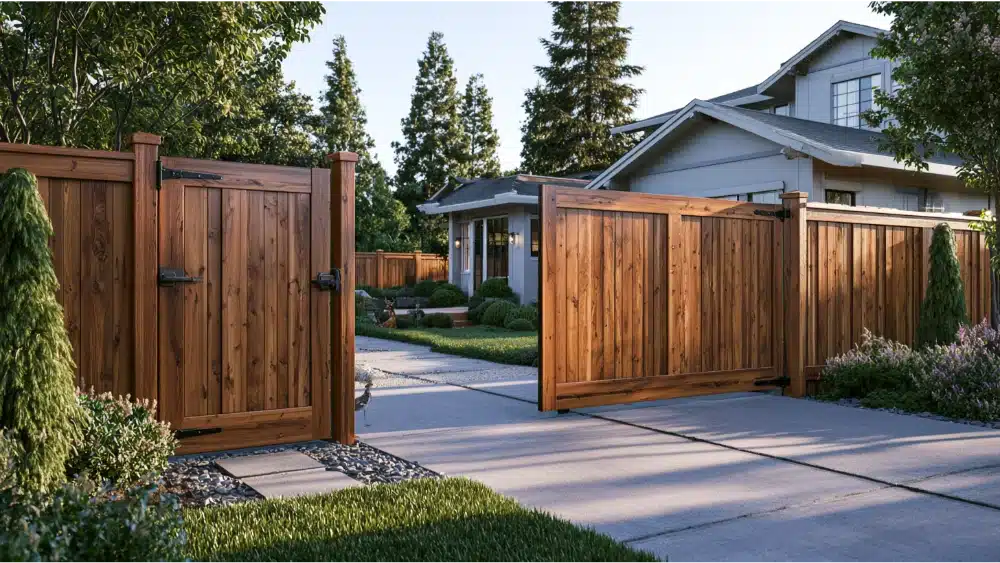
Security is about more than a tall boundary. Gates, hardware, placement, visibility, and lighting all shape how safe and useful the finished project feels.
Walk Gates
Walk gates should be placed where you naturally need access. Trash bins, gardens, side yards, and pool areas all need easy movement. A poorly placed gate can become frustrating fast.
Drive Gates
Drive gates help with trailers, RV parking, equipment, and wider access. They need strong framing and dependable hardware to support daily use.
Hardware and Latches
Hinges, latches, locks, and handles affect security every day. For children and pets, latch height and gate swing deserve extra care.
Visibility and Lighting
Some areas need privacy, while others benefit from visibility. Lighting near gates can also improve security and make the space feel safer after dark.
Climate, Sun Exposure, and California Conditions
California weather can affect material selection, finish, strength, and maintenance. Sun, heat, rain, soil movement, and wind exposure should all be part of the conversation.
Heat and Sun
Strong sun can fade finishes, dry wood, and affect darker colors. Choosing the right material helps protect long-term beauty.
Rain and Drainage
Water around posts can affect stability. Good installation starts below the surface, with attention to soil and drainage.
Fire-Aware Choices
Some properties may need fire-aware planning, especially near open land or higher-risk areas. This may affect materials, spacing, and the area closest to the home.
Wind and Open Areas
Full privacy panels catch more wind than open styles. In exposed areas, stronger posts and smart layout choices help the structure stand firm.
Custom Details That Make the Project Feel Finished
Once the main needs are clear, small details can make the project feel complete. These design elements should support your personal style without overwhelming the home.
Post Caps and Trim
Post caps and trim add polish. They can make simple sections feel more intentional and finished.
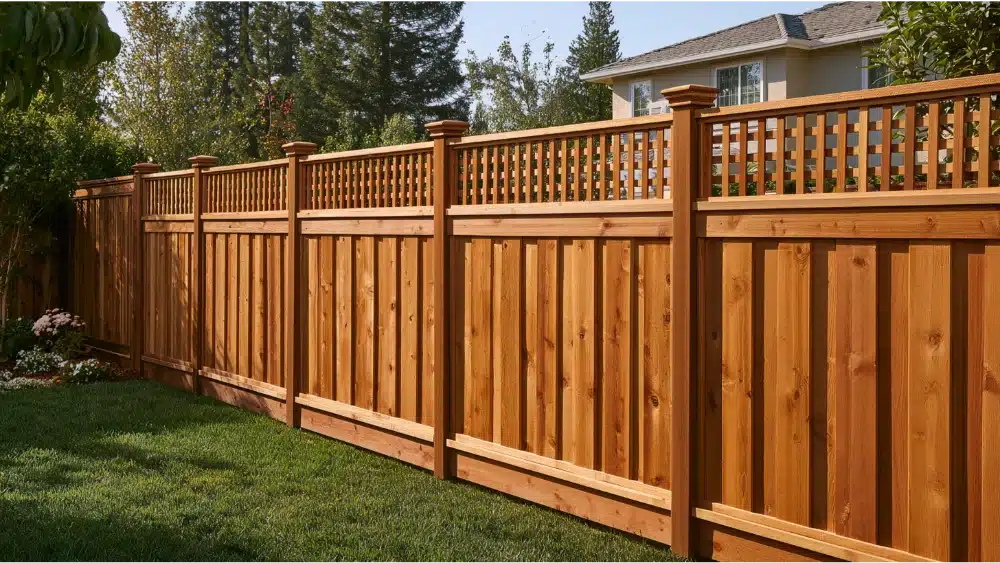
Lattice or Decorative Tops
Lattice and decorative tops add lightness, height, and visual interest. They can soften a solid privacy design while still helping the yard feel protected.
Horizontal vs. Vertical Boards
Vertical boards feel classic. Horizontal boards feel modern. Both can work beautifully when they match the architectural style and design preferences of the homeowner.
Stain, Color, and Finish
Color affects the entire mood of the yard. A warm stain can highlight natural wood, while a clean white or darker tone can create a more defined style.
Mixed Materials
Mixed materials can solve different needs in different areas. You might use privacy panels in the backyard and a more open layout near the front. This creates a custom fence that feels useful, balanced, and personal.
How to Choose the Right Fence Design for Your Home
Choosing the right fence starts with the way you want your yard to feel. Do you want privacy, security, beauty, low maintenance, or a better place for family time? The answer should guide every choice that follows.
Start With the Feeling You Want
A tired boundary can make a property feel neglected. The right fence can create pride, calm, safety, and comfort. Think about what you want to feel when you step outside.
Match the Design to the Job
A pool area needs safety. A backyard needs comfort. A side yard may need security. A front area may need charm and visual appeal. The right fence should do its job well and look good doing it.
Balance Budget With Longevity
Budget matters, but lasting value matters too. Spending wisely on the right material, layout, and installation can help prevent repairs and regret later.
Get Professional Guidance
You do not have to make every choice alone. Fantastic Fence helps homeowners compare materials, understand options, and choose a fencing solution that fits the property, the budget, and the family. Taking time to hire the right fence contractor and to book a free estimate with Fantastic Fence can give you clarity and confidence before any work begins.
FAQs About Custom Fence Design Choices
What Is the Most Important Factor When Choosing a Custom Fence Design?
The most important factor is purpose. A custom fence should be shaped around privacy, security, style, budget, and daily use. Once you know what the project needs to do, the right fence becomes easier to choose.
Which Materials Are Best for Privacy?
Wood, vinyl, and composite are common privacy materials. Wood brings warmth and flexibility. Vinyl brings low maintenance. Composite can create a polished look with modern strength.
How Much Does a Custom Privacy Project Cost in California?
Many Sacramento-area privacy projects cost about $2,500 to $3,500 per side of the house, or about $7,500 to $10,500 for a full backyard. Final installation costs depend on size, materials, gates, terrain, and design.
Does Height Matter?
Yes. Height affects privacy, security, local approval, and appearance. The right fence should give you comfort while still fitting local rules.
Should I Talk to My Neighbor First?
Yes, especially along shared property lines. A kind conversation helps protect the relationship and makes the work easier for everyone.
What Is Best for Pets?
For pets, look at height, ground gaps, gate security, and board spacing. The goal is to create a safe area without making the yard feel closed in.
Is Wood or Vinyl Better?
Wood is warm and customizable. Vinyl is clean and lower maintenance. The best choice depends on your home, budget, and upkeep preferences.
Can Fantastic Fence Remove the Old Materials?
Yes. Fantastic Fence includes old removal and disposal at no extra charge, so your property is ready for a clean, strong installation.
Build a Fence That Fits Your Home and Your Life
A custom fence is more than a boundary. It protects your family, improves security, adds beauty, and helps your outdoor space feel complete. The right fence brings together privacy, style, materials, local rules, maintenance, budget, and the real conditions of your property.
When the design is thoughtful, the result feels settled. The yard becomes easier to use. The home feels more cared for. The finished project gives you comfort every time you step outside.
Fantastic Fence is here to help you move from questions to confidence. Your yard deserves a strong, beautiful fencing solution built around the way you live. Let’s build something lasting together.