Choosing a new fence can feel simple at first. Then you start comparing every fencing material, and the decision can suddenly feel much bigger than expected. A fence affects privacy, safety, curb appeal, maintenance needs, and the way your whole yard feels when you step outside. If you have been asking, “what materials are commonly used for custom fencing,” the most common answers include wood, vinyl, composite, aluminum, steel, wrought iron, chain link, masonry, and mixed material designs. Each fencing material has its own strengths, and the right fencing material depends on your home, your budget, your local climate, and the way your family uses the yard. At Fantastic Fence, we believe the right fence should do more than mark a property line. It should help your home feel safer, calmer, more private, and more complete.
Why Fence Material Matters More Than Most Homeowners Realize
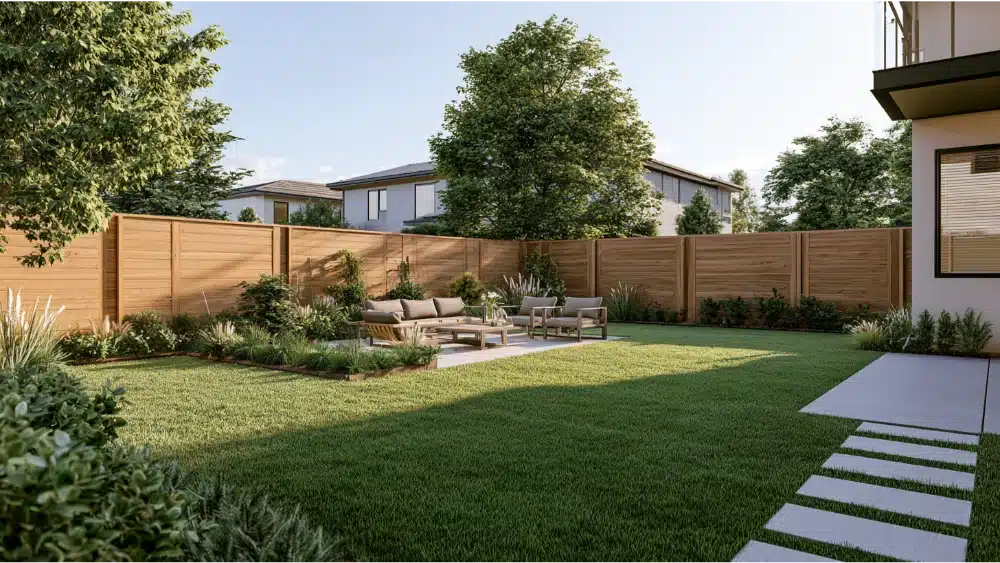
A fence is something you live with every day. You see it from the kitchen window. Your kids play beside it. Your dog runs along it. Your guests notice it when they walk into the yard. That is why choosing the right fencing material matters so much. The best fence material is not always the most expensive one, and it is not always the one your neighbor chose. The best fence is the one that fits your property, your goals, and your lifestyle.
Your Fence Material Affects Privacy
If privacy is the main goal, the fencing material needs to create solid coverage. A wood fence, vinyl fences, and composite fencing are often used for privacy fences because they can block views from nearby homes, streets, and alleys. Privacy panels can help a yard feel more peaceful and protected. Open options like aluminum fencing, wrought iron, and chain link can still define a boundary, but they usually do not create the same private feeling unless they are paired with privacy slats, landscaping, or other materials.
Your Fence Material Affects Maintenance
Every fencing material has different maintenance requirements. A wood fence offers natural beauty, but it usually needs regular maintenance, including staining or sealing. Vinyl fences are known for low maintenance and occasional cleaning. Aluminum fencing is also low maintenance, and aluminum’s low maintenance appeal is one reason many homeowners choose it for pool areas and front yards. Composite fencing often requires little maintenance compared to natural wood. Understanding maintenance needs ahead of time helps you avoid surprises later.
Your Fence Material Affects Curb Appeal
A fence can change a property’s appearance in a meaningful way. A warm wood fence can soften a backyard. Clean vinyl fences can make a property feel neat and finished. A metal fence can add structure and strength. Wrought iron can create timeless visual appeal. The right fence can enhance curb appeal and help the home feel cared for from the street to the back gate.
The Most Common Materials Used for Custom Fencing
The common materials used in a fencing project usually include wood, vinyl, composite, aluminum, steel, wrought iron, chain link, and masonry. These common fencing materials each solve a different problem. Some are built for privacy. Some are built for strength. Some are chosen because they require little maintenance. Some are chosen because they offer natural appearance and aesthetic appeal. A custom fence can also combine several materials when one fencing material alone does not meet every need. The goal is to match the right fencing material to the right part of the yard.
Wood Fencing: Warm, Classic, and Highly Customizable

A wood fence is one of the most familiar and flexible choices for homeowners. It brings natural beauty, warmth, and a sense of privacy that many other materials cannot fully match. A wood fence can feel classic, rustic, modern, or polished depending on the design. For families who want a yard that feels comfortable and protected, wood remains one of the best materials to consider.
Why Homeowners Choose Wood Fencing
Many homeowners choose a wood fence because it can be shaped into custom designs. It can be built tall for privacy, styled horizontally for a modern look, or finished with decorative caps for added visual appeal. Natural wood also gives each fence a unique character. Cedar and redwood are popular because they are naturally resistant to insects and decay, and they can resist rot better than some other wood options when properly cared for. Pressure treated wood for a fence in Sacramento may also use chemical treatments to help prevent rot and extend the life of the fence.
Common Wood Fence Styles
A wood fence can be built in many styles. Board on board fencing is popular for privacy. Dog ear fencing offers a traditional look. Shadowbox fencing gives both sides a more finished appearance. Horizontal fencing feels clean and modern. Cap and trim styles add a crafted finish. Custom wood gates can make the whole fencing project feel more intentional.
Things to Consider With Wood
A wood fence needs proper care to stay strong. Sun, sprinklers, wet climates, soil contact, and harsh weather can all affect how wood ages. Regular maintenance can help reduce weather damage and avoid frequent repairs. A wood fence may require painting, staining, or sealing over time. It may also need boards replaced if damage appears. For homeowners who love natural beauty and do not mind regular upkeep, wood can be a wonderful choice.
Best Fit for Wood Fencing
A wood fence is best for homeowners who want privacy, warmth, and flexible design. It works well for backyards, side yards, shared property lines, and custom gates. When installed with care, it can turn an open or worn yard into a private, welcoming space.
Vinyl Fencing: Clean, Private, and Low Maintenance
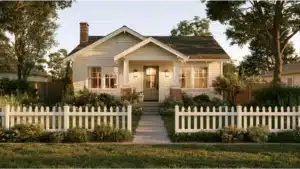
Vinyl fences are popular because they look clean and help reduce the stress of upkeep. For homeowners who want a bright, finished yard without staining or sealing, vinyl fences can be a strong option. They are often used for privacy, side yards, pool enclosures, and family backyards.
Why Homeowners Choose Vinyl Fencing
Vinyl fences do not rot like wood and do not need paint. This fencing material offers a simple, polished look that holds its shape well when quality materials and good installation are used. Vinyl fences can be especially helpful for families who want a private yard and a fence that requires minimal maintenance. Most of the time, occasional cleaning is enough to remove dirt and keep the surface looking fresh.
Common Vinyl Fence Styles
Vinyl fences come in many styles, including full privacy panels, semi private panels, picket designs, decorative top panels, and matching gates. Solid vinyl fences work well when the goal is privacy. Semi private vinyl fences allow more airflow while still creating separation. White is common, but some vinyl fences are available in softer colors or textured finishes.
Things to Consider With Vinyl
Vinyl fences may not offer the same natural appearance as wood, and they can have fewer field built custom options. Upfront cost may be higher than some basic wood choices, but many homeowners like that vinyl fences need little maintenance over the years. Quality matters. A well built vinyl fence will feel sturdier and last longer than a thin, poorly installed one.
Best Fit for Vinyl Fencing
Vinyl fences are best for homeowners who want privacy, clean lines, and low maintenance. They are a good fit for busy families who want a yard that looks cared for without a long maintenance list.
Composite Fencing: The Look of Wood With Added Durability

Composite fencing is often chosen by homeowners who like the look of wood but want enhanced durability and reduced maintenance. Composite fencing is usually made from a blend of materials, often including wood fibers and recycled plastic. This material offers the warmth of a wood inspired design with better weather resistance than many traditional wood options.
Why Homeowners Choose Composite Fencing
Composite fencing can create a rich, finished look for a backyard. It is popular for privacy, modern layouts, and premium custom fence designs. The material offers strong coverage, attractive colors, and a clean finish. Composite fencing also handles harsh weather conditions well when installed correctly. For homeowners who want long term stability and fewer maintenance needs, composite fencing can be a strong option.
Things to Consider With Composite
Composite fencing often comes with a higher upfront cost. The initial investment may be more than wood or chain link, but the material offers lasting visual appeal and can be cost effective for homeowners who want fewer repairs and less maintenance over time. Product quality, post strength, and installation details all matter. Like other materials, composite fencing performs best when the design matches the property and the local climate.
Best Fit for Composite Fencing
Composite fencing is best for homeowners who want privacy, enhanced durability, and a polished look. It is a strong choice for modern backyards, upgraded outdoor spaces, and homeowners who want beauty without the same maintenance rhythm as wood.
Aluminum Fencing: Elegant, Durable, and Easy to Maintain
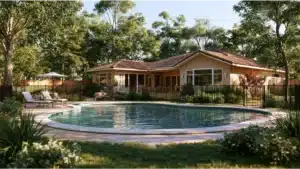
Aluminum fencing is a great choice when homeowners want structure, safety, and beauty without closing off the view. It is often used around pool areas, front yards, gardens, and decorative property lines. Aluminum fencing has a clean, open style that can make a yard feel finished while still keeping the space light.
Why Homeowners Choose Aluminum Fencing
Aluminum fencing is rust resistant, attractive, and low maintenance. It does not provide full privacy, but it gives a property a polished boundary. Aluminum fencing is also popular because it works well with many styles of homes. It can add curb appeal without making the yard feel boxed in. For homeowners who want a metal fence that feels elegant rather than heavy, aluminum fencing is often a smart choice.
Things to Consider With Aluminum
Aluminum fencing is not the right material for every privacy need. Since most aluminum fencing uses open pickets, it will not block views like wood, vinyl fences, or composite fencing. It is also lighter than steel or wrought iron, so it may not feel as heavy duty for every security goal. Still, for many residential properties, aluminum fencing offers the right balance of beauty, safety, and ease.
Best Fit for Aluminum Fencing
Aluminum fencing is best for front yards, gardens, pools, and areas where an open view matters. It is also a good fit when the homeowner wants a metal fence with minimal maintenance and strong visual appeal.
Steel and Wrought Iron Fencing: Strong, Secure, and Timeless

Steel and wrought iron are often chosen when strength, character, and excellent security matter. A wrought iron fence can make a home feel established and elegant. Wrought iron fencing is common for front yards, gates, estate style entrances, and decorative boundaries.
Why Homeowners Choose Steel or Wrought Iron
Wrought iron has a timeless look. It adds structure and beauty without hiding the home. Steel and wrought iron can also pair well with masonry columns, custom gates, and other materials. A metal fence made from steel can feel strong and protective. Wrought iron adds classic charm and can improve curb appeal in a way that feels lasting rather than trendy.
Things to Consider With Steel or Iron
Wrought iron and steel need attention to finish quality. If coatings are scratched, homeowners may need to prevent rust with touch ups and proper care. This type of metal fence does not usually provide full privacy on its own. It is better for security, boundary definition, and decorative value. Compared with aluminum, wrought iron can feel heavier and more traditional, but it may have more maintenance requirements over time.
Best Fit for Steel and Wrought Iron Fencing
Steel and wrought iron are best for homeowners who want a strong, decorative fence with classic appeal. They work well for gates, front yards, formal landscaping, and homes where the entrance should feel secure and beautiful.
Chain Link Fencing: Practical, Affordable, and Reliable
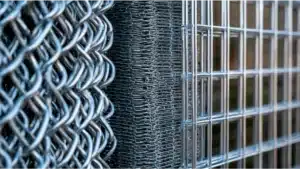
A chain link fence may not be the fanciest option, but it remains one of the most practical choices. Chain link is dependable, budget friendly, and useful for many types of properties. When a homeowner needs a clear boundary, pet containment, or a cost effective solution, chain link can make a lot of sense.
Why Homeowners Choose Chain Link Fencing
Chain link fences provide practical security and clear property definition. A chain link fence can cover larger areas at a lower price than many other materials. Chain link works well for side yards, dog runs, back property lines, storage areas, and utility spaces. Chain link is also common on commercial properties because it is efficient and functional, and many homeowners compare chain link vs. wood fences when deciding what fits their property best.
Things to Consider With Chain Link
A chain link fence does not provide much privacy by itself. Homeowners can add privacy slats for chain link fencing or landscaping if they want more coverage. Chain link also has less aesthetic appeal than wood, vinyl fences, composite fencing, aluminum, or wrought iron. In some settings, barbed wire may be used for security, but it is not a friendly fit for most homes and may not meet local safety standards for residential use.
Best Fit for Chain Link Fencing
A chain link fence is best for homeowners who need a practical boundary at a cost effective price. Chain link is especially useful for pets, large yards, side yards, and utility spaces, and understanding the lifespan of a chain link fence can help homeowners plan long term. When beauty is not the top concern, chain link can solve the problem clearly and reliably.
Mixed-Material Custom Fencing: When One Material Is Not Enough
Some of the best custom fence projects use more than one fencing material. That is because different areas of the property often have different needs. The backyard may need privacy and a backyard fence design that transforms outdoor living. The front yard may need curb appeal. The side yard may need security. A section near the home may need a fire conscious material. A custom fence can bring those needs together.
Common Mixed-Material Fence Ideas
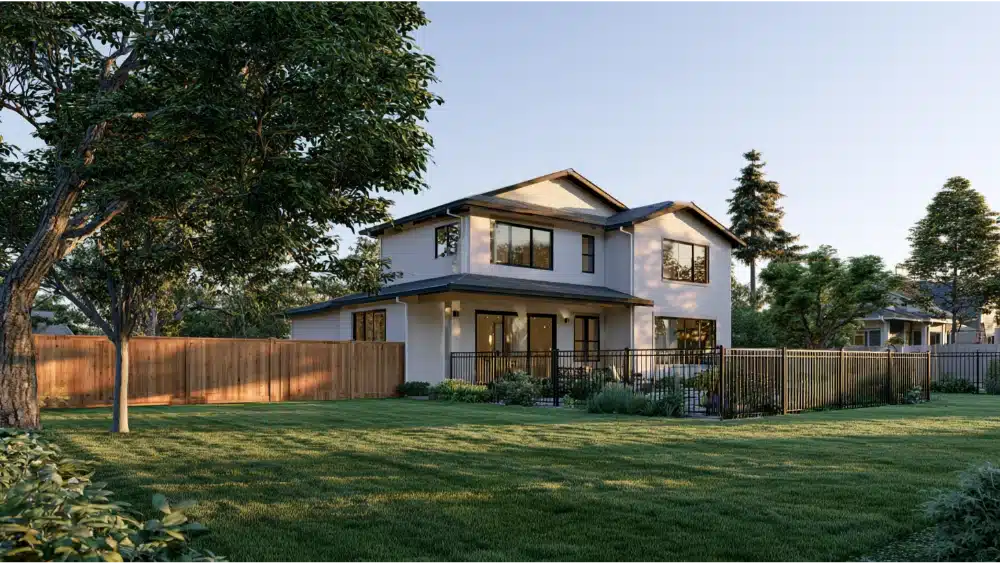
Popular custom designs include wood with metal fence posts, horizontal wood with steel framing, masonry columns with aluminum panels, composite privacy sections with metal gates, and a metal fence near the home with wood or vinyl farther away. These combinations can make the whole fence feel stronger and more finished.
Why Mixed Materials Can Be a Smart Choice
Mixed materials offer durability, flexibility, and design value. A metal fence frame can add strength. Masonry can make an entrance feel more permanent. Wood can bring warmth. Vinyl can simplify maintenance. Composite can add a premium finish. Other materials can be used where extra strength, fire awareness, or decorative detail matters. This is where a custom fence becomes more than a boundary. It becomes part of the home.
Best Fit for Mixed-Material Fencing
Mixed material designs are best for homeowners who want a right fence solution for more than one need. They are helpful when the property has slopes, gates, different privacy zones, or a mix of style and security goals.
Fire-Conscious Fence Materials for California Homes

For California homes, a fencing project should also consider fire safety, especially in areas with dry vegetation, wind, or wildfire risk. A fence that connects directly to a home can become part of the safety conversation. Choosing the right fire-safe fence in high risk fire areas near the house can help homeowners plan more wisely.
Materials to Consider Near the Home
Near the house, some homeowners consider noncombustible or fire conscious options such as metal, masonry, concrete, stone, or other materials that handle heat better than combustible products. A fire resistant steel fence for Northern California homes section near the home may be paired with a wood fence farther into the yard if the design and local rules allow it. The right fence plan should consider safety, privacy, beauty, and the way the yard is actually used.
A Practical Approach for Homeowners
Not every part of the fence has to be the same. A thoughtful plan may use one fencing material near the home, another for privacy, and another for a gate or decorative section. The key is to think through the whole property. Look at dry leaves, old boards, gate placement, nearby structures, and the local climate. The right fencing material should support both comfort and safety.
Best Fit for Fire-Conscious Fencing
Fire conscious materials are best for sections close to the home, properties in dry areas, and homeowners who want a right fence plan that feels beautiful and responsible.
How to Choose the Best Custom Fence Material for Your Yard
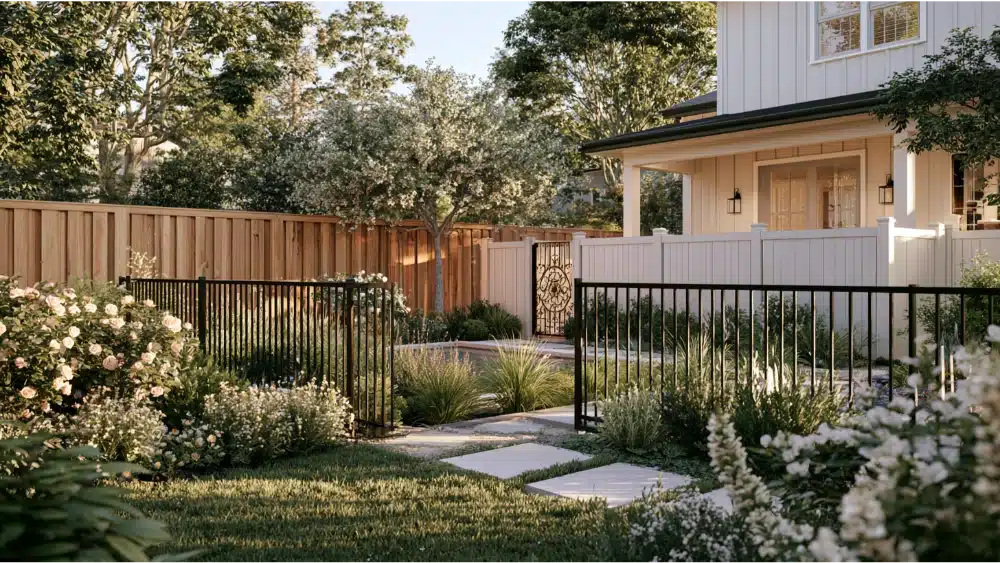
Choosing the right fence starts with how you want the yard to feel. Do you want privacy, safety, open views, natural beauty, low maintenance, or stronger security? Once that is clear, the right fencing material becomes easier to choose.
Best Materials for Privacy
Wood, vinyl fences, and composite fencing are usually the best materials for privacy. These options can be built with solid coverage, which helps block views and create a peaceful backyard. Privacy fences are especially helpful for homes close to neighbors, streets, alleys, or shared property lines.
Best Materials for Low Maintenance
Vinyl fences, aluminum fencing, and composite fencing are strong low maintenance choices. Vinyl needs occasional cleaning. Aluminum fencing can be washed as needed. Composite can offer long term weather resistance with less regular maintenance than natural wood. For busy homeowners, the right material can mean more time enjoying the yard and less time working on it.
Best Materials for Natural Beauty
A wood fence is the classic choice for natural beauty. It blends well with gardens, trees, patios, and outdoor spaces. The right fence made from wood can feel warm and welcoming in a way that is hard to duplicate.
Best Materials for Security
A metal fence, wrought iron, steel, aluminum, and chain link can all support security goals. The right fence height, post depth, gate hardware, and latch design matter just as much as the fencing material itself. For some homeowners, chain link is enough. For others, wrought iron or steel may provide a stronger presence.
Best Materials for Pets and Kids
For pets and kids, the best fence depends on height, spacing, gate security, and the layout of the yard. Wood, vinyl fences, chain link, and aluminum can all work well. The goal is to create a space that feels safe, easy to use, and comfortable every day.
How Much Do Different Custom Fence Materials Cost?
Cost depends on the fencing material, yard size, height, terrain, access, gates, and design details. In the Sacramento area, many privacy fence installations cost about $2,500 to $3,500 per side of the house, or about $7,500 to $10,500 for a full backyard. National averages for a full privacy fence installation often range from $1,800 to $8,000, with many projects around $4,300, but looking at the average price of a fence in the Sacramento area can provide more specific context.
Common Material-Based Cost Ranges
- Wood fence: $40 to $60 per linear foot, or $6,000 to $9,000 for 150 feet.
- Vinyl fences: $50 to $60 per linear foot, or $7,500 to $9,000 for 150 feet.
- Composite fencing panels: $70 to $90 per linear foot, or $10,500 to $13,500 for 150 feet.
- Aluminum fencing: $48 to $55 per linear foot, or $7,200 to $8,250 for 150 feet.
What Can Change the Final Price
The upfront cost can change based on material, height, slope, access, gates, demolition, and disposal. A complete replacement may cost more than a simple new run because the old fence must be removed first. Fantastic Fence includes old fence removal and disposal at no extra charge, which helps make the process easier for homeowners. The right fence estimate should explain what is included and why the price makes sense, and many homeowners start by requesting a free fence estimate from Fantastic Fence.
Which Fence Material Is Right for You?
The right fencing material is the one that fits your home, your family, and the way you want to feel in your yard. If you want warmth, choose a wood fence. If you want clean privacy and little maintenance, vinyl fences may be right. If you want a premium look with enhanced durability, composite fencing is worth considering. If you want open beauty, aluminum fencing can be a strong fit. If you want classic strength, wrought iron may be the answer. If you need practical containment, chain link may be the best fence for the job. The right fence should make your home feel better every time you step outside..
Frequently Asked Questions About Custom Fence Materials
What is the most common material used for custom fencing?
Wood is one of the most common choices because it is flexible, private, and easy to customize. Vinyl, composite, aluminum, wrought iron, steel, and chain link are also common materials used in custom fence projects.
What is the best fence material for privacy?
Wood, vinyl, and composite are usually the strongest privacy choices. These materials can be built with solid panels or tight spacing, helping the fence create a more peaceful backyard.
What is the lowest-maintenance fence material?
Vinyl, aluminum, and composite are often lower maintenance choices. Each one still benefits from occasional cleaning, but they usually do not need the same regular maintenance as wood.
Is wood or vinyl better for a backyard fence?
Wood is better if you want warmth, natural character, and custom design flexibility. Vinyl is better if you want a clean look and less regular upkeep. The right fence depends on your style, budget, and maintenance comfort level.
What fence material lasts the longest?
Aluminum, steel, vinyl, composite, masonry, and properly maintained wood can all last a long time. Lifespan depends on installation quality, weather, soil, maintenance, and material grade.
What is the best fence material for dogs?
Wood, vinyl, chain link, and aluminum can all work for dogs. The right choice depends on your dog’s size, behavior, and whether the yard needs privacy or simple containment.
What fence material is best for California homes?
California homeowners often choose wood, vinyl, and composite for privacy. Aluminum, steel, masonry, and wrought iron can also be smart options for gates, front yards, pool areas, and fire conscious sections near the home.
How much does a custom fence cost?
In the Sacramento area, many privacy fence projects cost about $2,500 to $3,500 per side of the house, or $7,500 to $10,500 for a full backyard. Material, terrain, gates, height, and design all affect the final price.
Can I mix different fence materials in one project?
Yes. Many homeowners mix materials to get the right balance of privacy, strength, beauty, and safety. A project might include wood in the backyard, aluminum near a pool, and a metal gate at the entrance.
Do I need a professional to help choose the right fencing material?
A professional can make the process much easier. The right team can look at your yard, listen to your goals, explain the options clearly, and help you choose a fence that feels right for your home. Knowing what to look for when hiring a fence contractor can make that decision feel more confident.
Final Thoughts: A Better Fence Starts With the Right Material
Choosing a fencing material can feel like a lot, but it becomes easier when you focus on what matters most. Privacy. Safety. Beauty. Budget. Maintenance needs. The way your yard should feel when the work is done. Common fencing materials like wood, vinyl, composite, aluminum, wrought iron, steel, and chain link all have a place. The right fence is not just built from posts and panels. It is built around your life at home. From worn and wobbly to strong and stunning, a thoughtfully planned fence can change how your whole property feels. Your yard deserves something strong, beautiful, and made with care. Let’s build something lasting together