When a homeowner asks, “what materials are used in hidden steel post systems,” the answer starts with strength, but it does not end there. A beautiful wood fence should feel warm, private, and welcoming, yet it also needs a dependable structure behind it. That is where hidden steel posts make such a meaningful difference. Instead of relying only on wood posts that can weaken over time, this type of fence post system uses steel underneath the visible wood to create a stronger, cleaner result.
The main fence materials include galvanized steel, wood fence panels, horizontal rails, cover boards, exterior fasteners, concrete, and careful finishing details. Together, they help create a long lasting fence that looks like natural wood while standing with more confidence. For a homeowner, the benefit is simple: you get the comfort and visual appeal of a wood fence with the structural support of steel posts working quietly behind the scenes.
What Is a Hidden Steel Post System?
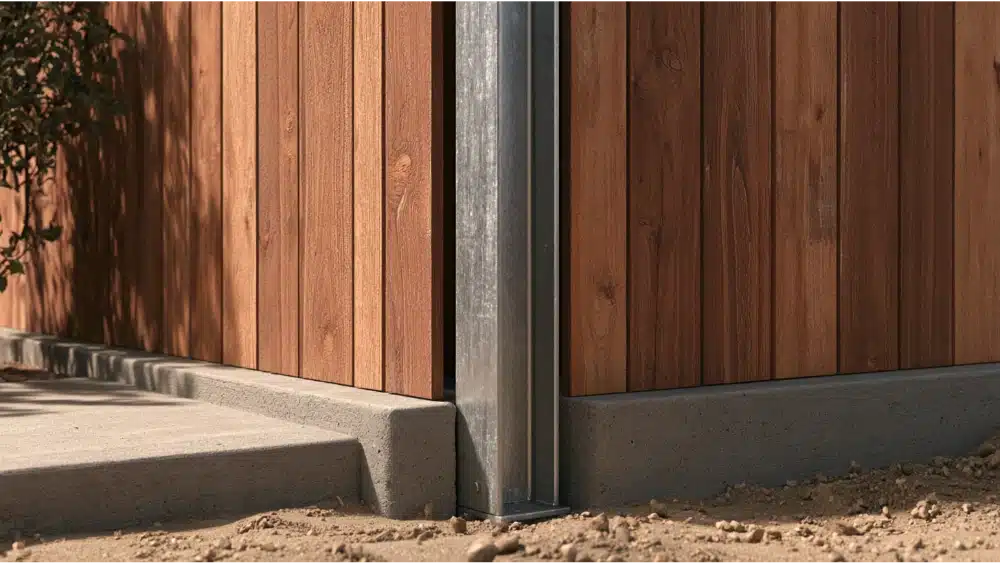
A hidden steel post system is a way to build a wood fence using steel posts as the main support while keeping the metal posts mostly out of sight. The posts are installed along the fence line, then rails, fence boards, and cover pieces are added so the finished fence still has the warm look homeowners love. This gives the yard a more traditional appearance without depending completely on wood fence posts for strength.
Many fences begin to fail at the post level. The boards may still look usable, but the structure can start to lean when wooden posts soften, twist, or break down. A hidden system helps solve that problem by replacing the weakest part of many fences with galvanized steel posts or other steel fence posts designed for harsh outdoor conditions.
Why Homeowners Like Hidden Steel Fence Posts
Homeowners often choose metal fence posts because they want a fence that looks clean, feels sturdy, and needs fewer repairs over time. Unlike wood posts, steel posts do not rot in the same way, and they are not as vulnerable to insect damage. When installed correctly, metal fence posts can help the entire fence handle strong winds, soil movement, and daily wear with better confidence.
These systems are especially helpful for privacy fences, garden fences, and shared property lines where both sides should look cared for. The metal posts provide proper support, while the wood keeps the yard feeling warm and personal.
The Main Material: Galvanized Steel
The most important material in this kind of fence post system is galvanized steel. Galvanized steel is used because it gives the fence strength and protection at the same time. Steel posts create the main frame, while the galvanized finish helps prevent rust and corrosion.
What Galvanized Steel Means
Galvanized steel fence posts are made by adding a zinc coating to the steel surface. In many products, steel is coated with molten zinc, which creates a protective barrier. That barrier helps the fence withstand weather conditions, moisture, sprinkler overspray, and changing soil conditions. This is one reason galvanized steel fence posts are often preferred when homeowners want a durable fence that still looks like wood.
Galvanized steel means the steel has protective coatings that help it resist rot-like failure, rust, and outdoor breakdown. Wood can absorb moisture, especially when it touches soil or concrete. Pressure treated wood helps, but even pressure treated wood still needs care and can age over time. Galvanized steel gives the system a stronger backbone. Galvanized steel posts are helpful because they combine strength with low maintenance performance. The zinc coating helps protect the steel, while the post shape gives the fence post proper support. When a homeowner wants a long lasting fence, galvanized steel posts are one of the most dependable materials to consider.
Why Steel Works So Well Behind Wood
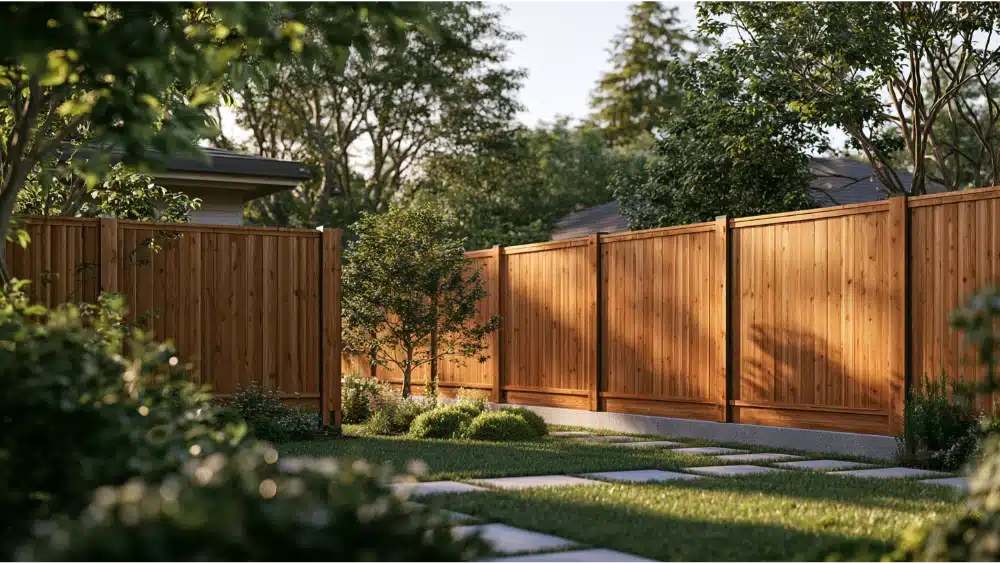
Steel posts and wood work well together because each material has a different job. Wood brings beauty, warmth, and privacy. Steel posts bring structural integrity, maximum stability, and strength. The homeowner still sees a wood fence, but the system is supported by metal posts behind the boards.
This matters because many property owners do not want a yard that feels industrial. They want natural wood, clean lines, and a professional appearance. Hidden steel posts make that possible. The steel posts stay quiet in the background, while the wood fence creates the finished look.
Wood Fence Boards: The Part You See First
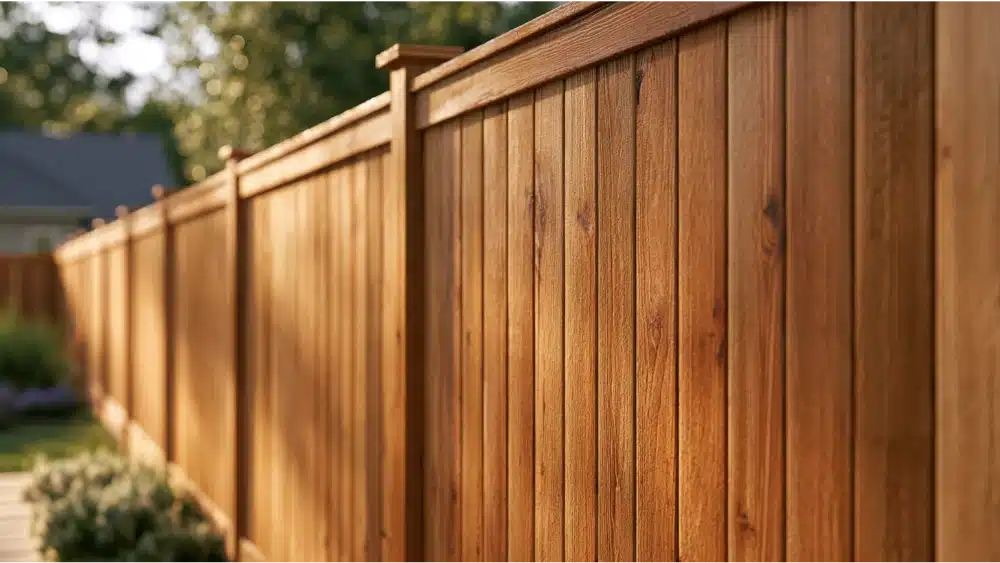
The visible part of the system is usually made from wood fence panels, individual fence boards, or custom wood materials. These pieces create the style, privacy, and warmth of the yard. The steel posts may hold the structure, but the wood fence is what the family sees every day.
Wood fence panels can be built in several styles, including board-on-board, side-by-side, good-neighbor, and horizontal fences. The right choice depends on the home, the fence height, the desired privacy, and the overall look of the yard. A taller fence height may need stronger rails and more careful spacing so the fence panels stay secure.
Common Wood Materials Used With Hidden Steel Posts
Common wood options include cedar, redwood, and pressure treated wood. Pressure treated wood is often used because it is made to handle outdoor exposure better than untreated lumber. Pressure treated rails, pressure treated framing, and pressure treated trim can all help improve durability when used properly.
Treated wood matters because the visible parts of the wood fence still face sun, moisture, and seasonal changes. Pressure treated wood can resist rot better than untreated lumber, although it still benefits from sealing, staining, and proper installation. Many homeowners choose pressure treated wood when they want a cost effective balance of strength and appearance.
Why Wood Still Matters
Even with metal fence posts, wood still matters deeply. The boards create privacy. The grain creates character. The color and finish shape the feeling of the yard. Natural wood can make a space feel peaceful and lived-in, not cold or commercial.
A hidden system simply gives that natural wood a stronger foundation. Instead of asking wooden fence posts to carry the whole load, the system uses steel posts for strength and treated wood for warmth. That is the real transformation: a fence that feels both beautiful and better built.
Horizontal Rails: The Support Between the Posts
Horizontal rails connect each fence post and give the fence panels something sturdy to attach to. In many hidden steel post systems, the rails are made from pressure treated wood or another durable wood product. These rails run between the steel posts and help the boards stay aligned.
A good rail layout keeps the fence line straight and balanced. Rails must be evenly spaced, properly fastened, and matched to the size of the fence panels. If the rails are weak or poorly attached, even strong metal posts cannot do their full job.
Wood Rails in Hidden Steel Post Systems
Pressure treated rails are common because they are practical, available, and built for exterior use. Pressure treated wood can help resist rot, and treated wood is often used in places where moisture may become a concern, including landscaping structures like pressure treated wood retaining walls. The rail material should work with the fasteners, the steel posts, and the overall design.
When steel posts are combined with pressure treated wood rails, the result is a sturdy frame. The metal posts carry the vertical support, while the rails give the wood fence panels their shape. This helps reduce leaning sections and keeps the finished fence looking clean.
Why Rail Quality Matters
Rail quality matters because the rails connect every fence post into one system. A single weak connection can affect the way the fence feels. The right brackets, strong screws, and careful rail placement all matter. This is where proper installation shows.
A careful builder looks at the fence height, the soil, the slope, and the intended style before choosing rail placement. With proper support, the entire fence feels tighter, straighter, and more dependable.
Cover Boards: How the Steel Posts Stay Hidden
Cover boards are the pieces that help hide the metal posts. They are often made from pressure treated wood, cedar, redwood, or another finish material that matches the rest of the wood fence. These boards are placed so the steel posts are covered and the fence looks complete.
Without cover boards, metal posts may be visible between panels. That can work for some modern designs, but it is not always what a homeowner wants. A hidden system uses cover boards to protect the clean, natural appearance of the wood.
Why Cover Boards Matter
Cover boards matter because they give the fence a polished look. They help the finished fence feel intentional from both sides. They also soften the appearance of the steel posts and allow the design to blend with the rest of the yard.
For good-neighbor styles, this detail is especially important. No one wants one side to look forgotten. Cover boards help both sides feel finished, which can make the project smoother along shared property lines.
Cover Boards and Good-Neighbor Fences
Good-neighbor privacy fences often work well with hidden steel posts because the metal posts can be concealed while the wood remains attractive from both sides. The result is a wood fence that feels fair, balanced, and neighborly.
This can be helpful for garden fences, side-yard runs, and backyard privacy fences. The system gives homeowners the strength of steel fence posts without losing the warmth of wood.
Exterior-Rated Fasteners, Screws, Clips, and Brackets
Fasteners are small, but they do important work. Hidden steel post systems use exterior-rated screws, lag screws, clips, or brackets to connect the wood rails and boards to the steel posts. These pieces keep each fence post connected to the rest of the structure.
The fasteners should be suited for outdoor use and compatible with galvanized steel, pressure treated wood, and treated wood components. Poor hardware can corrode, loosen, or stain the wood. Choosing the best fasteners for wood fence installation helps the system remain stable and low maintenance.
Why Exterior-Rated Hardware Matters
Outdoor hardware must handle water, heat, movement, and strong winds. This is why the right brackets and corrosion-resistant screws matter. They help prevent rust, reduce movement, and protect the connection between metal posts and wood parts.
Fasteners also help maintain the visual appeal of the wood fence. When hardware is placed carefully, the system looks cleaner. When cover boards are added, the metal posts become even less noticeable.
Fasteners Help Create a Cleaner Finish
Many hidden systems are designed so screws and connectors sit neatly against the steel posts. Once trim and cover boards are installed, the metal posts blend into the design.
The result is a fence with more strength than a standard wood post build and more beauty than exposed metal might provide. This is the kind of detail that makes a new fence feel thoughtful. The homeowner may not notice every screw, but they will notice when the fence feels straight, quiet, and solid.
Concrete Footings: The Foundation Beneath the Fence
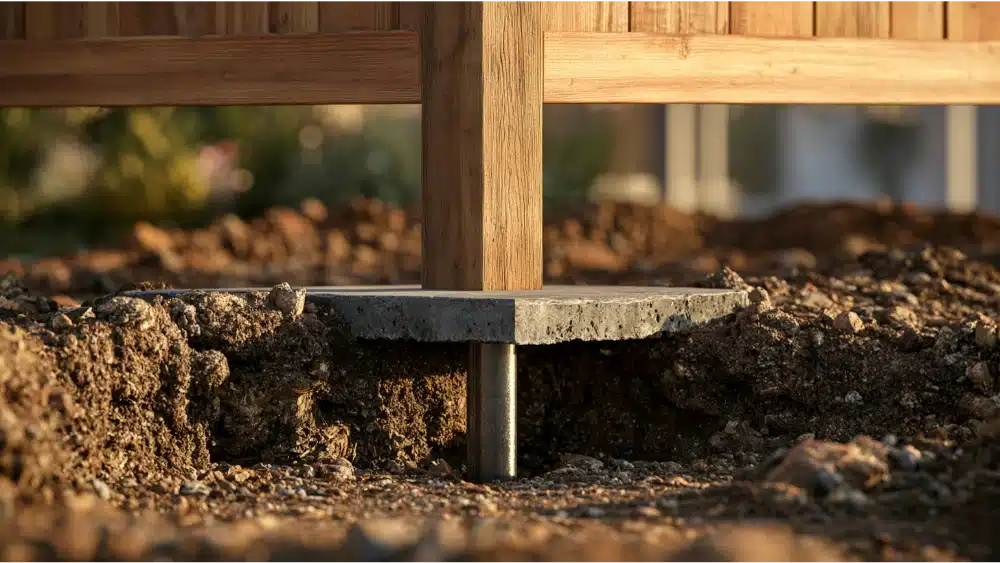
A strong fence post needs a strong footing. Many hidden steel post systems are set in concrete, which helps anchor the steel posts in the ground. The installer digs post holes, places each post, checks the post level, and sets the post in concrete.
A post hole digger, measuring tape, level, and layout string are common tools used during this part of the fence installation. The post holes must be deep enough and properly placed. In colder regions, installers may also consider the frost line, because ground movement can affect stability.
Why the Ground Matters
Every yard is different. Soil movement, slope, drainage, roots, and existing structures can all affect the work. The fence line should be planned carefully so posts are straight, evenly spaced, and suited to local building codes.
Steel posts can provide maximum stability, but only when the foundation is right. If post holes are too shallow or concrete is rushed, the structure may not perform as it should. Proper installation protects the structural integrity of the whole system.
Concrete Helps the Whole System Work
Concrete helps each fence post stay secure. It gives the metal posts a firm base and helps the fence resist shifting over time. This matters during strong winds, wet seasons, and daily use.
A hidden steel system is strongest when all parts work together. Galvanized steel posts provide the backbone. Concrete anchors them. Pressure treated wood rails and fence boards shape the panels. Fasteners hold the connections. The result is a durable fence that feels steady from the ground up.
Optional Powder Coating and Finish Materials
Some metal posts are also powder-coated. Powder coating adds a clean finish and another layer of surface protection. It is common on visible metal posts, especially in modern designs where black metal is part of the look.
In a fully hidden system, the finish may not be seen, but protective coatings still matter. A coated or galvanized post is better suited for harsh outdoor conditions than bare steel. Some systems use galvanized posts, while others use powder-coated steel posts or both.
Hidden Steel Posts vs. Decorative Steel Posts
Hidden steel posts are designed to disappear behind the wood. Decorative metal posts are designed to be seen. Both can be useful, but they create different styles.
Square posts often create a modern look. Round posts are common in chain link fences, agricultural settings, and some utility designs. Corner posts may need extra strength because they carry more pull and pressure from adjoining runs.
Chain link systems often use round posts, while a hidden wood fence usually uses shaped steel posts that fit behind boards and rails. For homeowners who want a classic backyard feel, hidden steel posts are usually the better fit, but understanding the tradeoffs in chain link vs. wood fences can help guide the decision. For commercial fences, chain link, or certain garden fences, visible metal posts may make more sense.
How the Materials Work Together
A hidden system is not just one product. It is a complete structure made from steel posts, galvanized steel, pressure treated wood, fence boards, cover boards, fasteners, and concrete. Each material has a clear purpose.
- The steel posts provide strength.
- The galvanized steel helps prevent rust.
- The pressure treated wood adds support and warmth.
- The treated wood rails carry the panels.
- The cover boards hide the metal posts.
- The concrete keeps each fence post anchored.
Together, these parts create a new fence that looks clean and feels strong.
A Simple Way to Picture It
Think of the system like a home with framing inside the walls. You do not see the structure every day, but you feel the difference when everything is solid.
A hidden steel post system works the same way. The wood fence gives your yard comfort and beauty. The metal fence posts give the system strength. The steel posts stay mostly out of sight, but they help the entire fence stand straighter and last longer.
The Emotional Benefit for Homeowners
At the end of the day, homeowners are not really shopping for posts, rails, and screws. They are looking for privacy, safety, and pride in their home. They want a space where children can play, pets can roam, and evenings outside feel calm.
A hidden system can bring that relief. Instead of worrying about wooden posts rotting or leaning sections forming too soon, the homeowner gets a stronger structure and minimal upkeep. That peace of mind is part of the value.
Hidden Steel Posts vs. Traditional Wood Posts
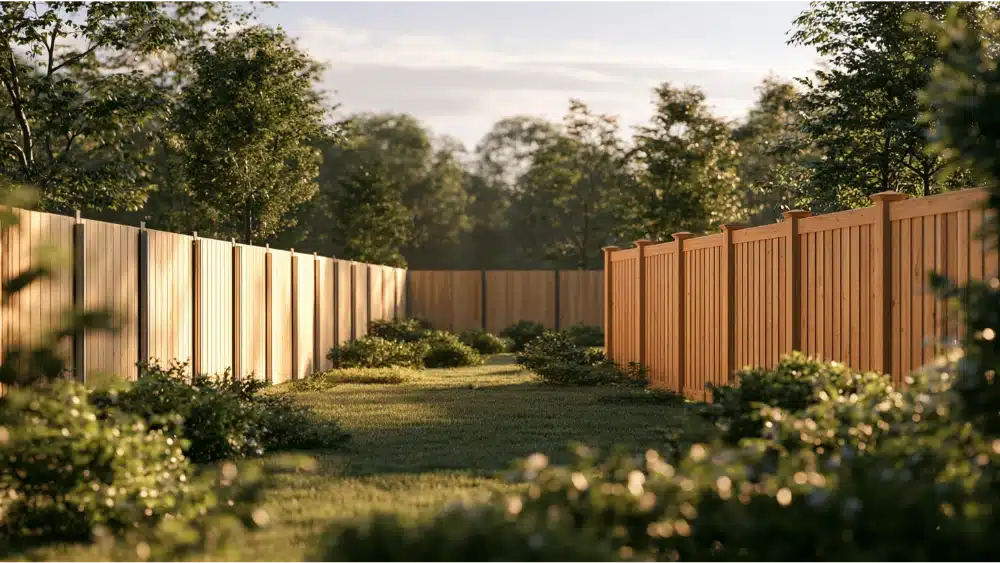
Traditional wood posts are familiar, but they are not always the strongest long-term choice. Wood posts, wooden posts, and wooden fence posts can all be affected by moisture, termites, soil conditions, and time.
Pressure treated wood helps, but even pressure treated material still requires care. Steel posts offer a different kind of support. They do not absorb water like wood fence posts, and galvanized steel posts are made to handle outdoor exposure with less worry.
Traditional Wood Posts
Wood posts can look natural and may be less expensive at the start. Many homeowners like them because they match the rest of the wood fence. Pressure treated wood posts are often used to improve durability, and treated wood can resist rot better than untreated lumber.
Still, wooden posts can eventually crack, twist, or weaken. Wood fence posts are especially vulnerable near the ground, where moisture collects. When a fence post begins to fail, the boards and panels around it may start moving too.
Hidden Steel Posts
Hidden steel posts solve many of those concerns. The steel posts provide stronger structural support, while wood keeps the yard attractive. Metal fence posts can also make sense where wind, moisture, or long-term durability are major concerns.
This does not mean every yard needs steel fence posts. It means homeowners should understand their options. If the goal is a low maintenance, long lasting fence, metal fence posts are worth serious consideration.
Which Option Is Right for Your Yard?
The right choice depends on the yard, budget, style, soil, and design. A smaller side run may work with pressure treated wood posts. A tall privacy project may benefit from galvanized steel fence posts. A modern front yard may use visible metal posts.
Chain link fences, commercial fences, and agricultural settings may call for a completely different approach. If you want the warmth of a wood fence with stronger support, choose metal fence posts that can be hidden behind the boards. That gives the new fence a clean look without giving up strength.
Are Hidden Steel Post Systems Worth It?
For many homeowners, hidden steel posts are worth considering because they help create a stronger and more low maintenance structure. They may cost more upfront than basic wood posts, but they can help reduce future worry, movement, and repairs.
A cost effective fence is not always the cheapest one on day one. It is the one that fits your home, performs well, and protects your peace of mind. Metal fence posts can support that goal because they help the system stand stronger over time.
The Real Value Is Confidence
Confidence matters. You want to look across the yard and feel proud of what you see. You want the fence line to look straight. You want the gate area to feel secure. You want the wood fence to feel finished, not temporary.
Steel posts help create that confidence. They give the new fence proper support, especially in areas where strong winds, moisture, or soil movement can put pressure on the structure.
A Helpful Note About Fence Pricing
Fence pricing depends on material, length, access, terrain, fence height, gates, and design. Wood fence cost can vary widely, and pressure treated wood may be more budget-friendly than premium materials, while hidden metal fence posts can add strength and long-term value.
Wood fence panels, post caps, trim, and finish details can also affect cost. In some regions, homeowners look at the average price of a fence in the Sacramento area to understand how these details change their budget. Post caps are sometimes used for appearance and protection, especially on visible wood components. They can help complete the look and give the finished fence a more polished feel.
For an accurate price, it is best to walk the property, review the fence project, and understand whether the contractor charges by linear foot or uses hourly rates for fencing contractors before you request a free estimate.
What to Ask Before Choosing a Hidden Steel Post Fence
A homeowner does not need to know every technical detail, but a few clear questions can make the decision easier.
Ask what type of steel posts will be used. Ask whether they are galvanized steel posts, powder-coated metal posts, or another product. Ask how the metal posts will be hidden and what type of pressure treated wood will be used. You can also ask how the post holes will be prepared, whether local building codes apply, and how the fence line will be measured.
A careful installer should be able to explain the process in plain language, and many of the same qualities you would look for when hiring a fence contractor apply here as well.
Questions to Ask Your Fence Contractor
- Ask whether the system uses galvanized steel, galvanized posts, or another coated material.
- Ask whether the design uses wood fence panels, individual boards, or custom framing.
- Ask if metal fence posts will be fully hidden or partly visible.
- Ask if the rails are pressure treated.
- Ask how the contractor protects connections between treated wood and steel.
- Also ask about gate areas, security fence gate options and pricing, corner posts, post caps, and cleanup.
- If this is a replacement project, ask what happens to the old materials.
What a Good Answer Should Feel Like
A good answer should make you feel guided, not pressured. You should understand why the contractor recommends steel posts, wood posts, or a combination of both.
You should know how the fence post system will look, how it will be built, and why the materials fit your yard. The right builder will help you compare options, including pressure treated wood, metal fence posts, steel fence posts, and traditional wooden fence posts, without making the choice feel overwhelming.
FAQs About Hidden Steel Post Systems
What materials are used in hidden steel post systems?
Hidden steel post systems usually use steel posts, galvanized steel, pressure treated wood rails, fence boards, cover boards, exterior-rated fasteners, and concrete. The metal posts provide strength, while the wood keeps the yard warm and natural.
Are metal fence posts better than wood posts?
Metal fence posts can be better for homeowners who want strength, low maintenance, and fewer repairs. Wood posts can look natural, but they may be more vulnerable to moisture, insect damage, and movement over time.
Are steel fence posts visible in a hidden system?
In a true hidden system, steel fence posts are mostly concealed by rails, boards, and trim. The goal is to keep the wood fence appearance while using steel posts for strength.
Can galvanized steel fence posts rust?
Galvanized steel fence posts are designed to help prevent rust through a zinc coating. No outdoor material is completely free from wear, but galvanized steel performs well when installed correctly and cared for properly.
Why use pressure treated wood with steel posts?
Pressure treated wood is often used for rails, trim, and other parts because it can resist rot better than untreated lumber. When pressure treated wood is paired with steel posts, the system combines warmth with strength.
Are hidden steel posts good for privacy fences?
Yes. Hidden steel posts are a strong option for privacy fences because they support tall panels while keeping the look clean and natural.
Do hidden steel posts work for garden fences?
Yes. Garden fences can use hidden metal posts when the homeowner wants a more polished look and stronger support than wooden posts alone can provide.
Are hidden steel post systems low maintenance?
They are often considered low maintenance compared to traditional wood posts because the steel posts do not rot like wood. The wood parts still need normal care, but the structure is built with stronger support.
What is the biggest benefit of metal posts in a wood fence?
The biggest benefit of metal posts is strength hidden behind a beautiful wood fence. You get the look of wood with better long-term support.
Final Thoughts: A Strong Fence Should Look Good and Feel Good
A strong fence should protect your yard, respect your home, and make the space feel more complete. Hidden steel post systems do that by combining the best parts of several materials.
Galvanized steel brings strength. Pressure treated wood brings warmth and support. Cover boards hide the metal posts. Concrete anchors each fence post. Exterior hardware holds the system together.
This kind of new fence is for homeowners who want beauty and confidence in the same project. It is for the family that wants privacy without worry. It is for the yard that needs a durable fence, a clean finish, and a structure built with care.
With the right materials and proper installation, your wood fence can feel strong from the inside out. Your yard deserves something sturdy, welcoming, and made to last. Let’s build something strong together.