Why Fence Gaps Matter More Than Homeowners Realize
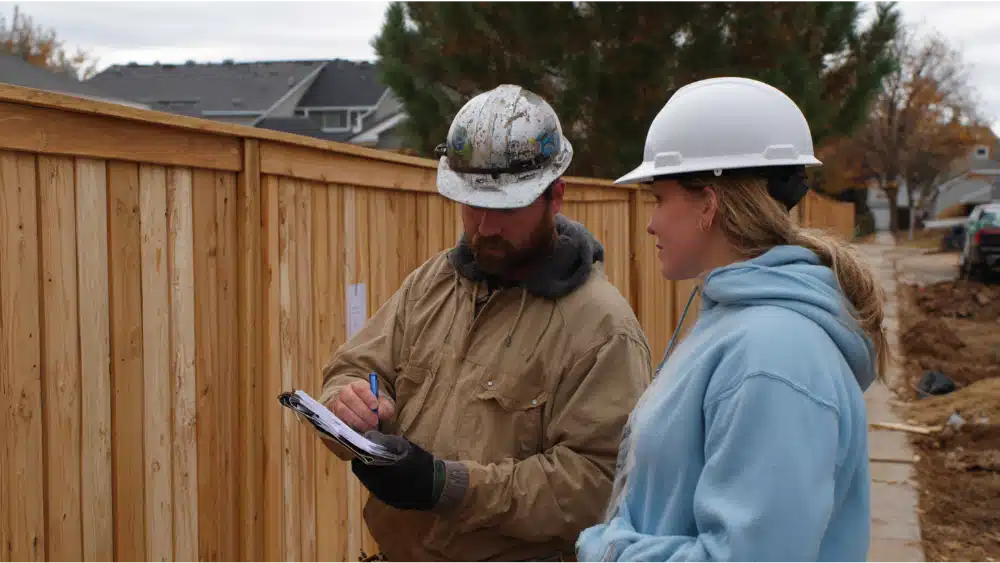
Fence gaps are more than a small visual issue. They affect privacy, security, and your property’s curb appeal. A privacy fence is meant to create a solid barrier around your space, giving your family more privacy and helping your backyard feel protected and calm.
Even small fence gaps can create partial visibility into your yard. Larger gaps can allow pets to squeeze through, let wind push debris inside, and weaken the feeling of enclosure that homeowners expect from a finished project. Consistent gaps across a fence line can also take away from aesthetic appeal and make even new materials look uneven.
A well-built fence should feel like one continuous structure. It should support wind reduction, maintain structural integrity, and create a clean, professional appearance that improves the entire property. Understanding how do installers prevent gaps in privacy fences is key to achieving these results.
The Biggest Reasons Fence Gaps Happen in a Privacy Fence
Fence gaps usually come from a mix of natural material behavior and installation choices. Understanding these helps explain how installers prevent gaps in privacy fences from the very beginning and how backyard fence designs can transform outdoor living when function and style are planned together.
Wood Shrinkage Over Time
Wood naturally reacts to moisture and temperature changes. As it dries, it can shrink, which increases space between fence boards and creates visible fence gaps that were not there on installation day.
Cedar, redwood, and pine all behave differently, but all wood types move with moisture changes. Without proper installation and sealing, wood can warp or crack over time, especially on taller fences where wind exposure is stronger. That movement is one of the most common causes of changing gap size in a wood fence.
Uneven Ground and Uneven Terrain
Uneven ground is another major cause of fence gaps. When the ground level changes across a yard, the fence line has to adapt. If it does not, gaps can appear under panels or along the bottom rail.
Soil erosion, tree roots, drainage paths, and natural landscape shifts all influence how a fence sits. A privacy fence that is not adjusted for uneven terrain can develop larger gaps in some sections while other areas sit too low.
Incorrect Post Spacing and Weak Layout
Post spacing is the foundation of a strong fence installation. If posts are too far apart or not aligned correctly, fence panels can shift, lean, or separate over time.
Fence posts that are not set deep enough in concrete can also move with wind and soil changes. That movement reduces structural integrity and leads to uneven spacing across the fence line.
Improper Board Spacing
Fence boards must be installed with care. If boards are spaced incorrectly during installation, fence gaps may appear immediately or grow over time as materials adjust.
A wood privacy fence especially depends on precise spacing decisions. Too much space creates visible openings. Too little planning can cause boards to press against each other and later shift apart as wood dries.
Soil Movement, Moisture, and Wind Exposure
Soil movement affects every fence over time. Moisture changes in the ground, shifting soil, and heavy wind can slowly move fence posts out of alignment.
Wind pressure also plays a role. Without proper post depth and concrete setting, wind can gradually loosen a fence system. This affects gates, panels, and overall alignment, creating new fence gaps where everything once looked tight.
How Professional Installers Prevent Fence Gaps Before Building Starts
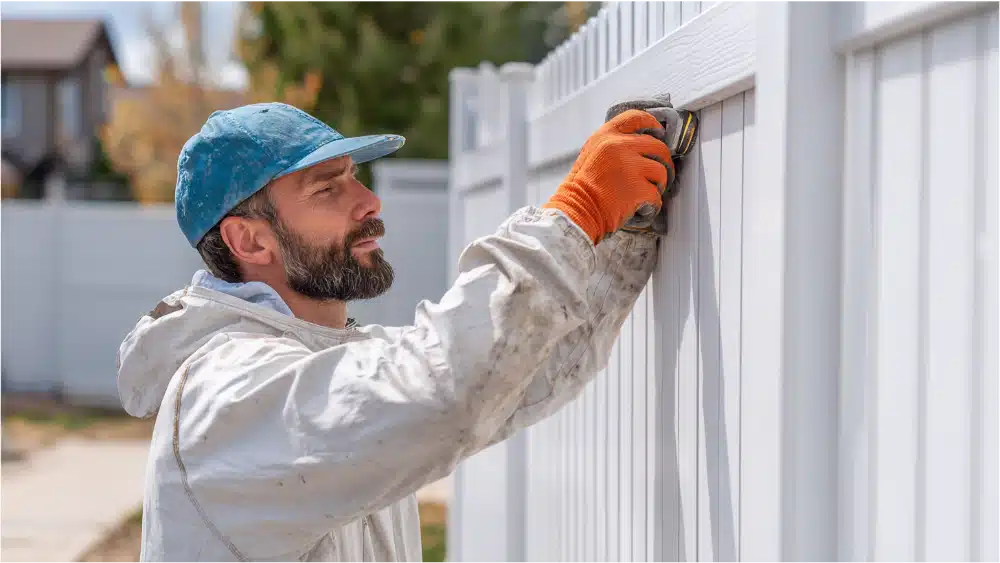
The most important part of minimizing fence gaps happens before installation even begins. Proper fence installation is about planning, not just building.
They Walk the Entire Property
Installers start by studying the backyard, fence line, and surrounding landscape. They look at ground level changes, trees, slopes, drainage areas, and gate placement.
This helps them predict where fence gaps might form and how to prevent them. A dip in the yard may require a kickboard. A slope may require racked panels. Tight areas near the house may require custom adjustments to maintain privacy and spacing.
They Measure Carefully and Repeatedly
Accurate measurement is essential for preventing fence gaps. Installers use string lines, leveling tools, and post layout markings to ensure each section aligns correctly.
Post spacing is checked multiple times during this process. Even a small measuring error can affect the entire fence line, especially on longer runs or when installing taller fences that are more visible from a distance.
They Design Around the Yard
Every yard has unique challenges. Some have flat layouts, while others have uneven terrain, slopes, trees, or hardscape features.
Instead of forcing a single fence design everywhere, installers adjust the approach based on conditions. This may include changing panel height, modifying spacing, or recommending different materials such as stepped or sloped fence layouts to maintain a solid privacy barrier without creating unnecessary gaps.
How Installers Prevent Gaps Between Fence Boards
Fence boards are one of the most visible parts of a privacy fence, so even small gaps matter.
Choosing the Right Fence Design
Different fence designs affect how gaps appear over time. A standard wood fence can provide good privacy, but may show gaps as wood moves.
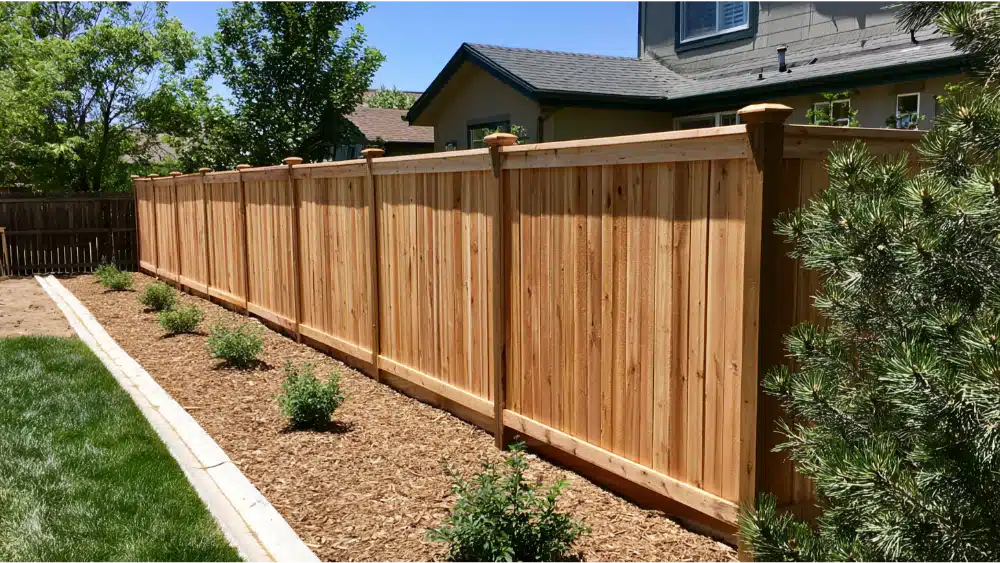
A board-on-board wood privacy fence helps reduce gaps by overlapping boards so that natural movement does not expose the yard. Shadowbox styles add aesthetic appeal and airflow but are not always ideal for complete privacy. Horizontal designs require precise installation to maintain alignment and spacing.
Board-on-Board Construction for Stronger Privacy
Board-on-board construction is one of the most effective ways to reduce fence gaps. The overlapping design ensures that even if wood shifts, privacy remains strong.
This fence design is especially useful for homeowners who want more privacy and a consistent appearance over time. It helps maintain a solid barrier even when materials expand and contract with weather changes.
Accounting for Wood Movement and Moisture
Wood naturally reacts to moisture and drying cycles. Installers account for this by choosing quality materials, proper sealing, and correct installation techniques.
Cedar and redwood offer natural resistance to decay, while pine is often used for budget-friendly builds that still perform well when properly maintained. Sealing helps protect against moisture damage and extends the life of the fence.
Keeping Fence Boards Aligned and Secure
Proper fence installation includes keeping boards straight, evenly spaced, and securely fastened. This helps maintain consistent gaps and prevents shifting over time.
A clean top line, uniform spacing, and careful fastening all contribute to a fence that looks intentional and well-built rather than uneven or rushed.
How Installers Prevent Gaps Under a Privacy Fence
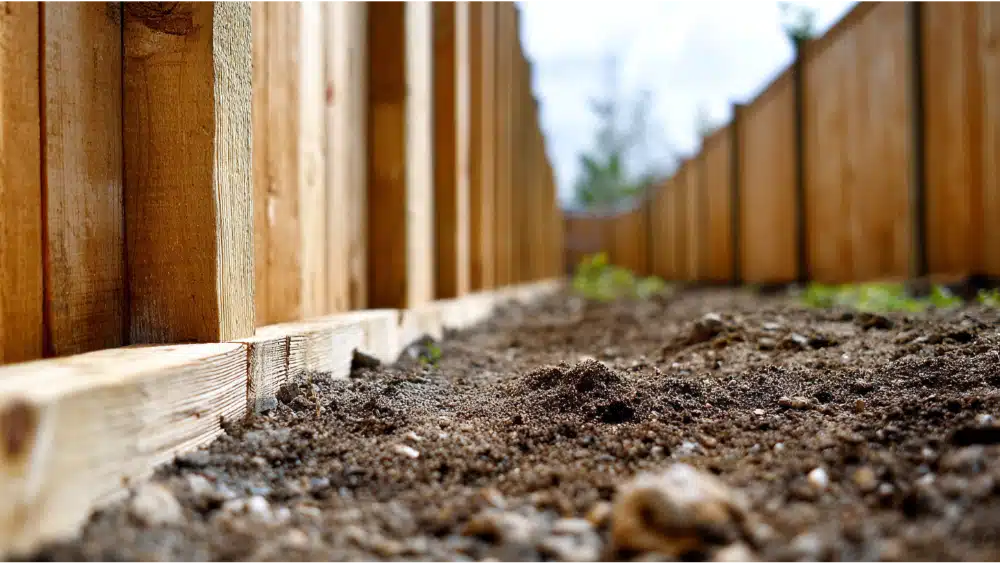
Bottom fence gaps are just as important as gaps between boards. They affect privacy, security, and overall appearance.
Following the Shape of the Yard
Installers adjust to the ground level instead of ignoring it. Racked panels follow slopes, while stepped panels move in sections to handle elevation changes.
On uneven terrain, custom cuts or adjustments may be used to ensure the fence follows the landscape more closely and avoids unnecessary gaps underneath.
Using Kickboards for a Clean Finish
Kickboards, sometimes called rot boards, help close gaps near ground level while protecting the main fence boards from moisture and debris.
They also improve aesthetic appeal by creating a cleaner, more finished look along the bottom of the fence line. This helps maintain privacy while extending the life of the structure.
Custom Cuts for Uneven Ground
Some yards require precise adjustments. Custom cutting boards allows installers to follow uneven ground more closely, reducing larger gaps and improving the overall fit of the fence.
This approach creates a more natural transition between the fence and the yard, rather than forcing a rigid line across an irregular surface.
Allowing Proper Clearance
Not all space at the bottom of a fence is a problem. A small clearance helps protect wood from moisture, soil contact, and debris buildup.
The goal is balance, enough space to maintain durability, but not so much that privacy is lost or gaps become noticeable.
Handling Slopes, Wind, and Uneven Terrain
Slopes and wind exposure are major factors in fence gaps and long-term performance.
Racked panels help a fence follow the slope naturally, reducing gaps along the bottom. Stepped panels create a clean, structured look but may require adjustments to manage openings beneath each section.
Wind pressure also affects fences over time. Without strong post installation and proper concrete setting, wind can slowly shift alignment. This is especially important for taller fences, where wind exposure is greater and structural stability matters more.
Material Choices That Help Reduce Fence Gaps
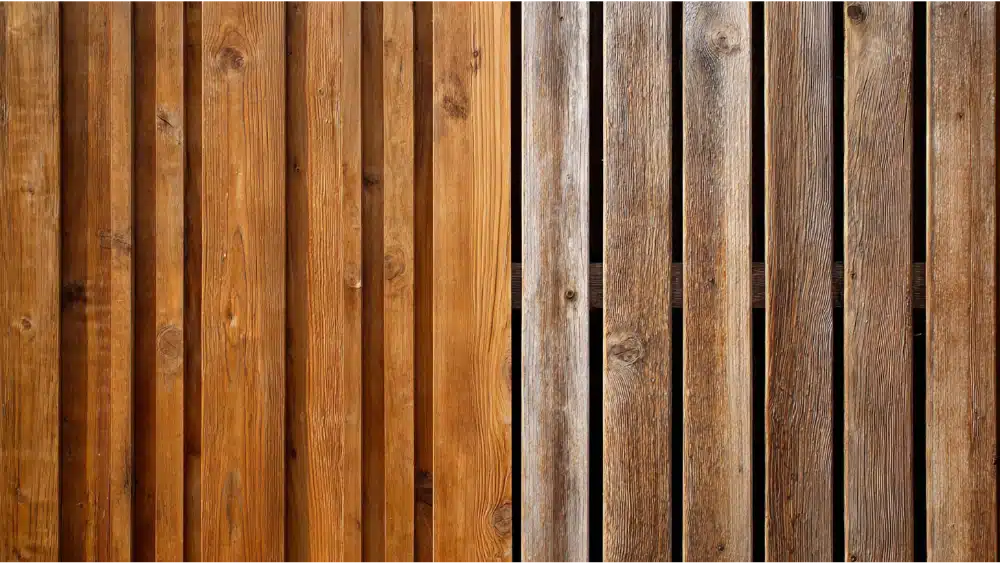
Material selection plays a big role in how a fence performs over time.
A wood fence offers natural beauty and warmth. Cedar, redwood, and pine each have different strengths, but all require proper installation and sealing to maintain performance and reduce moisture issues, while chain link fence options and lifespan present an alternative for homeowners prioritizing durability and low maintenance over full privacy.
Vinyl fencing offers consistent panel systems that help reduce gaps caused by material movement. Composite fencing provides stability and long-term durability with less shifting.
Other materials, including privacy slats, bamboo screens, or Durabond steel fencing systems, can also improve privacy in certain designs. Privacy slats help reduce visibility in open-style fences, while bamboo screens can add natural coverage and aesthetic appeal when combined with landscaping.
Why DIY Fence Installation Often Leads to Gaps
DIY fence installation can look simple, but small mistakes often lead to noticeable fence gaps later.
Common issues include incorrect post spacing, shallow post depth, uneven boards, and failure to account for wood movement. Without proper planning, a fence may look fine at first but begin to shift as soil settles or moisture changes affect materials.
Gate areas are another common problem. A gate needs precise spacing to swing properly, but too much space can reduce privacy and security. Poor gate alignment can also create visible openings that affect the entire fence line.
What Homeowners Should Ask Before Fence Installation
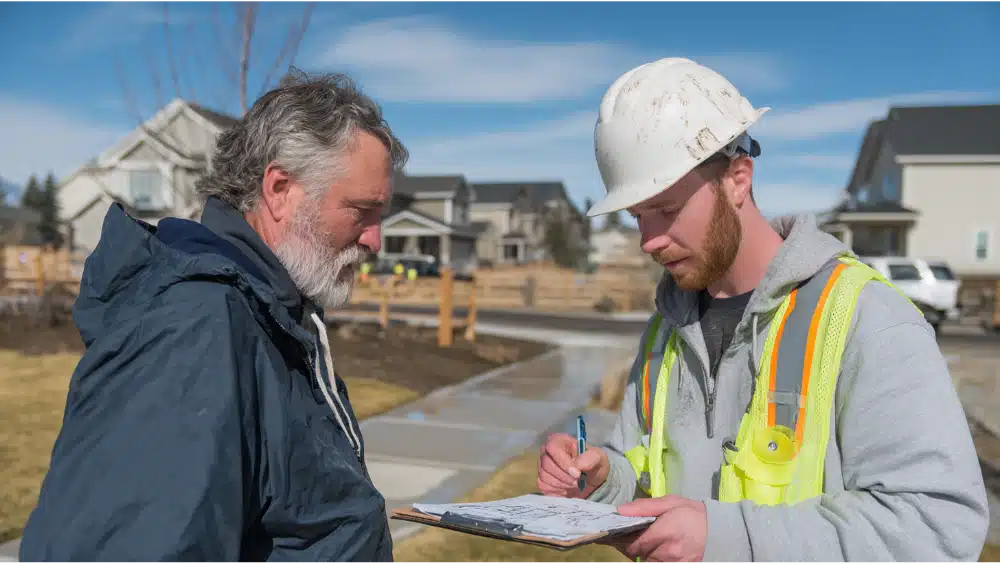
Asking the right questions helps ensure a strong final result.
Homeowners should ask how installers handle uneven ground, how they manage wood movement, and whether kickboards are used to reduce fence gaps. It is also helpful to ask about what to look for when hiring a fence contractor and fence design options that provide better long-term privacy.
Understanding how materials are selected, how posts are set in concrete, and how post spacing is planned gives homeowners confidence in the process.
A free fence estimate with a professional installer is the best way to understand what your yard truly needs and how different choices affect privacy, appearance, and cost.
How Fantastic Fence Builds Privacy That Lasts
A great fence is not just about materials. It is about care, planning, and craftsmanship.
At Fantastic Fence, every project starts with understanding the property. We study the fence line, evaluate ground level changes, plan post placement, and choose materials that fit the yard, the homeowner’s goals, and their budget through flexible fence financing options.
We consider wind, moisture, soil movement, trees, and landscape features before installation begins. This helps us reduce fence gaps and build a structure that feels strong, stable, and built to last.
From worn and uneven to clean, secure, and private, the right fence transforms how a backyard feels every day, whether you partner with a trusted fence company in Auburn, CA or a trusted fence company in Grass Valley, CA.
Frequently Asked Questions About Preventing Gaps in Privacy Fences
How do installers minimize gaps caused by wood shrinkage?
Installers select stable wood types like cedar or redwood, allow wood to acclimate before installation, and use precise spacing techniques to accommodate natural expansion and contraction. Proper sealing and maintenance also help minimize gaps over time.
What role does the fence type play in preventing gaps?
Fence type determines the construction method and materials used. For example, board-on-board fences overlap boards to eliminate gaps, while shadowbox styles allow some airflow but less privacy. Choosing the right fence type is essential for minimizing gaps and meeting privacy needs.
Why is setting a stable base important for fence posts?
A stable base, often achieved by setting posts in concrete at the correct depth, prevents posts from leaning or shifting due to soil movement or wind. This stability helps maintain consistent spacing between panels and prevents gaps from forming.
How do decorative elements affect fence gaps and privacy?
Decorative elements like lattice work or integrated planting can fill gaps aesthetically while enhancing privacy. They also add visual interest and can complement the fence design without compromising structural integrity.
What techniques do installers use to prevent warping in wood fences?
Installers use high-quality, treated lumber and choose wood species resistant to moisture. They ensure proper board spacing to allow air circulation, apply protective sealants, and maintain a stable frame to prevent warping and maintain fence alignment.
Final Thoughts: Preventing Fence Gaps Starts With Careful Planning
So, how do installers prevent gaps in privacy fences?
They plan carefully, measure accurately, choose the right fence design, set posts properly in concrete, and adjust for uneven terrain. They also account for wood movement, wind exposure, soil conditions, and long-term material performance.
A well-built privacy fence should feel solid, consistent, and complete. It should protect your space, improve curb appeal, and give your backyard a sense of calm and security.
Your yard deserves that level of care.