When homeowners ask this question, they are usually trying to understand more than just a list. They are trying to figure out which fencing materials will actually make their home feel safer, more private, and more beautiful. The truth is that choosing fencing materials is one of the most important decisions in any fencing project, because it shapes everything from curb appeal to maintenance requirements and long-term durability.
At Fantastic Fence, we see every fence as part of a home’s story. The right fence design turns a simple boundary into something that adds comfort, structure, and value. Whether you are comparing vinyl fencing, wood fence options, composite fencing, chain link fences, or metal fences, each type of fence brings its own strengths, maintenance needs, and visual appeal.
The phrase what materials are used for custom fencing projects always comes back to one idea: matching the right fencing material to the right home, lifestyle, and local climate.
Choosing the Right Fence Starts With the Right Material
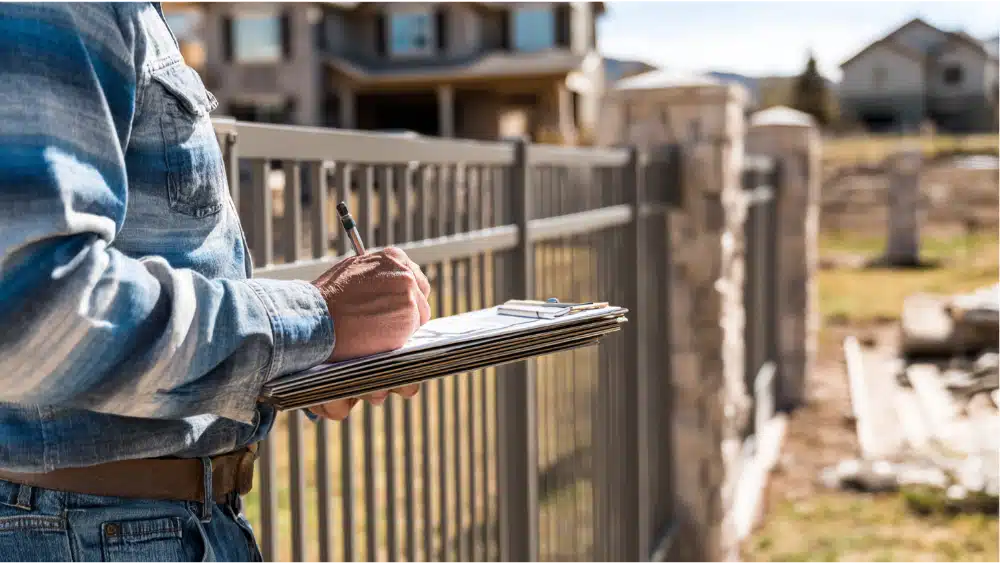
Every custom fences project begins with understanding goals. Some homeowners want privacy. Some want security. Others want better curb appeal or a simple upgrade to a worn-out wood fence.
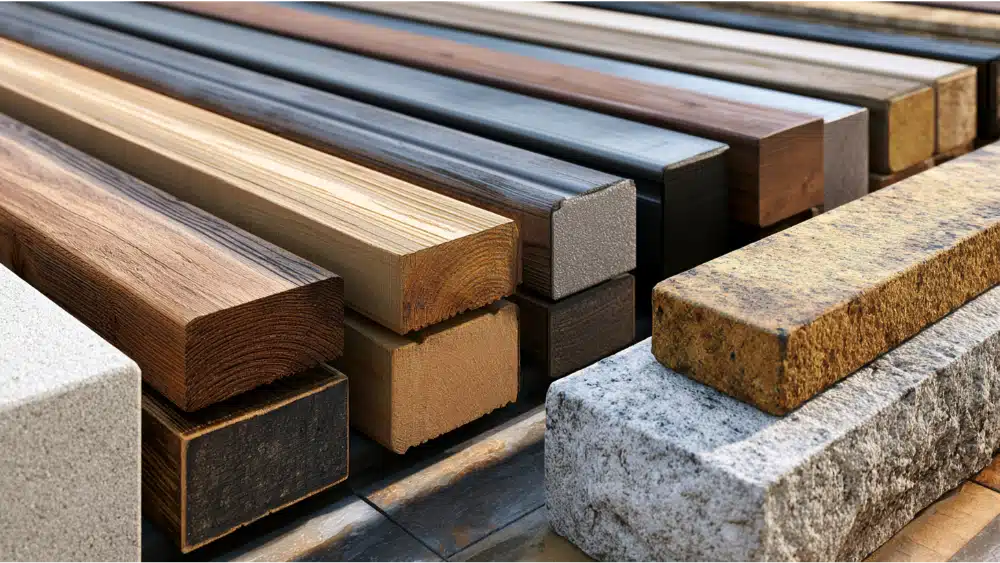
Different fence materials offer different benefits. Vinyl fencing is known for low maintenance. Wood fence options bring natural beauty. Composite fencing offers enhanced durability. Chain link fences provide a cost effective choice for larger areas. Metal fences like aluminum fencing and wrought iron offer strength and modern design flexibility.
A fence contractor can provide valuable insights by looking at the yard, understanding maintenance needs, and helping homeowners compare initial cost with long-term value. Good fence installation always starts with choosing the right fencing material first.
Why Fence Material Matters
Privacy and Comfort
For privacy, solid custom fences made from wood fence boards, vinyl fencing panels, or composite materials are often the best materials. These types of fence systems help create a quiet outdoor space that feels protected and comfortable.
Curb Appeal
Fence design has a major impact on curb appeal. Traditional wood fences add warmth and natural beauty. Vinyl fencing creates a clean and polished look. Composite fencing offers a modern architectural feel. Metal fences, including aluminum fencing and wrought iron, bring elegance and structure.
Maintenance
Maintenance requirements vary widely. A wood fence often needs regular maintenance like staining or sealing to prevent rot and insect damage. Vinyl fencing usually requires minimal maintenance and occasional cleaning to remove dirt. Composite fencing is known for less maintenance compared to natural wood, while still offering strong visual appeal.
Strength and Security
Metal fences, wrought iron, and chain link fences are often used for strength and security. Barbed wire may appear in agricultural or restricted commercial properties, but most residential properties rely on wood fence, vinyl fencing, or composite fencing for safety and design balance.
Budget and Long-Term Value
Initial cost is important, but long-term value matters just as much. Some fencing materials have a higher upfront cost but require less maintenance over time. A skilled fence contractor helps homeowners understand how initial investment compares to durability, maintenance needs, and overall lifespan.
Wood Fencing: Warm, Classic, and Naturally Beautiful
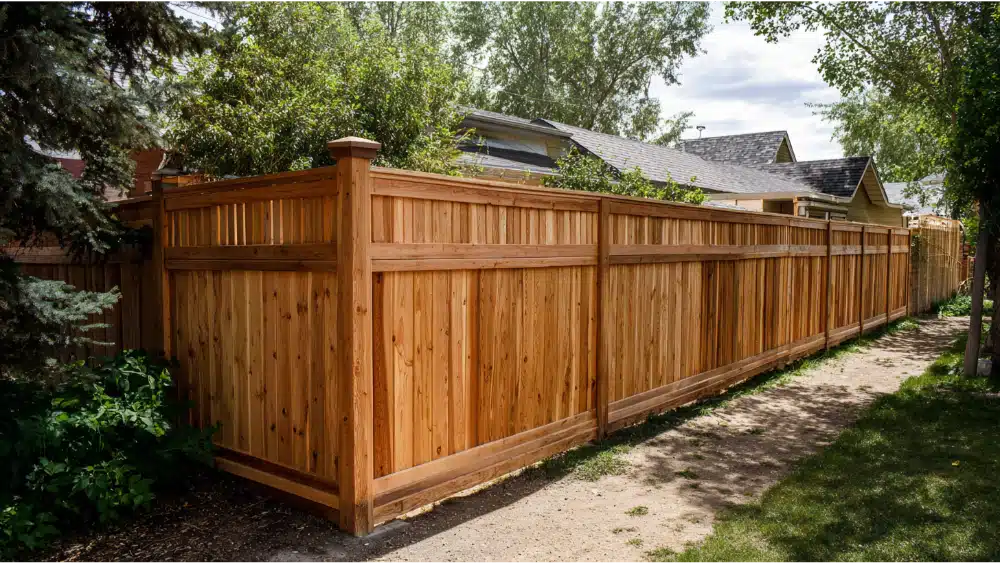
Wood remains one of the most common fencing materials for custom fences because of its natural beauty and flexibility in fence design. It works for many various styles, from traditional wood fences to modern horizontal layouts.
Common Wood Fence Options
Cedar
Cedar is naturally resistant to rot and insect damage. It provides warm color tones and strong aesthetic appeal.
Redwood
Redwood is often chosen for premium fence design because of its rich appearance and durability.
Pressure-Treated Pine
Pressure-treated pine uses chemical treatments to help prevent rot and insect damage. It is often a more affordable fencing material and a cost effective choice for many homeowners.
Best Uses for Wood Fencing
Wood fence systems work well for privacy, gardens, side yards, and backyard fence installation projects where natural beauty matters.
Things to Consider With Wood
Wood requires regular maintenance to stay in good condition. Without proper care, it may be affected by weather resistance challenges, moisture, or insect damage. Sealing and staining help extend lifespan and improve durability.
Vinyl Fencing: Clean, Low-Maintenance, and Long-Lasting
Vinyl fencing is one of the most popular fencing materials because it offers low maintenance and consistent appearance over time. Many homeowners choose vinyl fencing because it requires minimal maintenance and provides a clean finish.
Why Homeowners Choose Vinyl
Vinyl fencing is popular because it is low maintenance, durable, and easy to care for. It does not require painting or staining and typically needs only occasional cleaning to remove dirt.
Popular Vinyl Fence Styles
Vinyl fencing comes in many styles, including privacy panels, picket fences, and ranch rail systems. These options allow homeowners to match different materials and fence design preferences while maintaining a clean look.
Things to Consider With Vinyl
Vinyl fencing may have a higher upfront cost than some wood fence options, but its minimal upkeep and reduced maintenance needs often balance the investment over time.
Composite Fencing: Modern Beauty With Added Durability
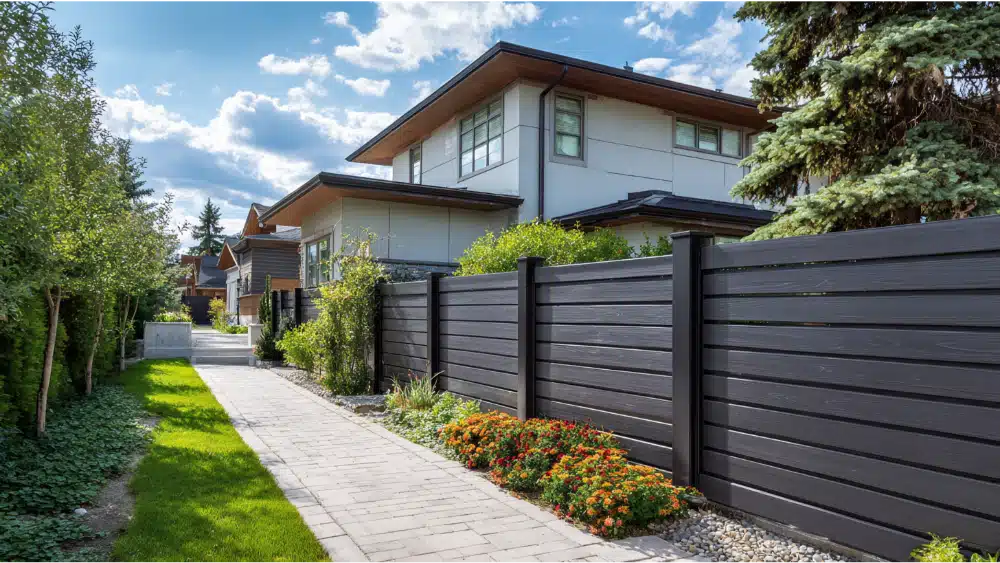
Composite fencing combines wood fibers and composite materials to create a strong, visually appealing fencing option. It is increasingly popular for homeowners who want eco friendly solutions and less maintenance.
Best Uses for Composite Fencing
Composite fencing is ideal for modern custom fences, privacy fence installation, and upgraded backyard fence design projects.
Why Homeowners Like Composite
Composite fencing offers enhanced durability, resistance to rot, and strong weather resistance. It also reduces maintenance needs while maintaining natural-looking texture and style.
Things to Consider With Composite
Composite fencing often has a higher initial investment than wood or vinyl fencing. However, many homeowners choose it because it reduces long-term maintenance requirements and provides strong visual appeal.
Aluminum Fencing: Lightweight, Durable, and Elegant
Aluminum fencing is one of the most reliable metal fences for residential properties. It is resistant to rust, lightweight, and offers strong curb appeal without blocking views.
Where Aluminum Works Best
Aluminum fencing is often used for pool areas, front yards, and decorative fence design where visibility and style matter.
Why Homeowners Choose Aluminum
Aluminum fencing requires minimal maintenance and offers strong durability in many climates. It is also resistant to rust and works well for long-term fence installation projects.
Things to Consider With Aluminum
Aluminum fencing is not designed for full privacy, but it performs well when homeowners want openness and visual appeal.
Steel and Wrought Iron Fencing: Strong, Secure, and Timeless
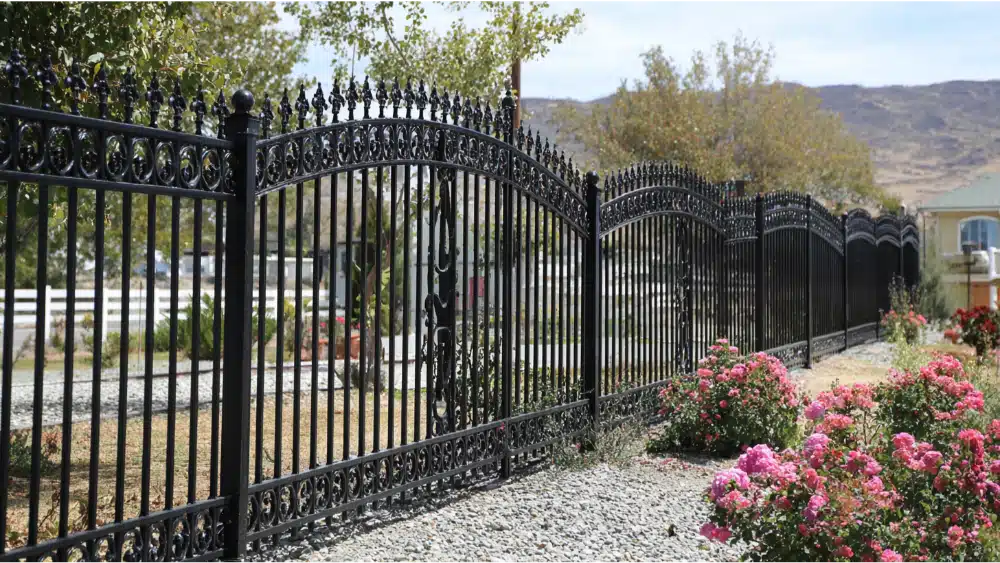
Wrought iron and steel are classic metal fences used for strength, structure, and elegance. They are often used in gate systems and decorative fence design.
Best Uses for Steel and Iron
Wrought iron is commonly used for gates, security fencing, and decorative entrances where appearance and strength both matter.
Why Homeowners Choose Steel or Iron
These materials offer durability, security, and long-term performance. They are often chosen when homeowners want a strong visual statement.
Things to Consider
Wrought iron and steel may require regular maintenance to prevent rust depending on local climate conditions.
Chain Link Fencing: Practical, Affordable, and Reliable
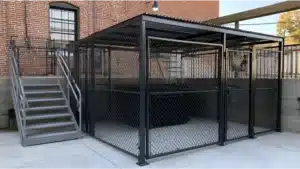
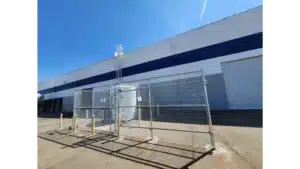
Chain link fences are one of the most practical fencing materials for large areas and functional spaces. They are widely used for both residential properties and commercial properties.
Where Chain Link Makes Sense
Chain link fences are commonly used for pet areas, utility spaces, and property boundaries where cost and function matter most.
Ways to Customize Chain Link
Chain link can be improved with coatings, privacy slats, or landscaping to improve visual appeal and reduce exposure.
Things to Consider
Chain link fencing offers less privacy and natural beauty compared to wood fence, vinyl fencing, or composite fencing, but it remains a strong cost effective choice.
Masonry, Concrete, Stone, and Gabion Fencing
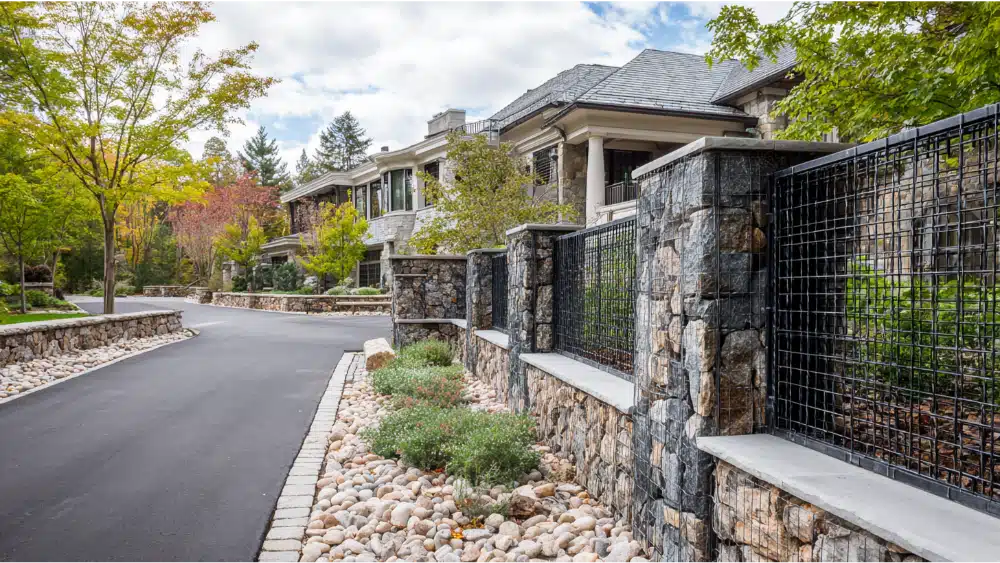
Heavier fencing materials like masonry and stone are often used for premium fence design, sound reduction, and long-term durability.
Best Uses for Heavier Fence Materials
These options work well for privacy, structural design, and homes that need strong boundary definition in high wildfire risk areas.
Why Homeowners Choose These Materials
They offer strength, durability, and strong environmental impact advantages when sourced responsibly. Many eco friendly designs use these materials for long-term stability.
Things to Consider
These fencing materials often involve more labor required and a higher initial investment, but they provide long service life and strong visual presence.
Mixed-Material Fencing: A Custom Look Built Around Your Home
Mixed-material custom fences combine different fencing materials to create stronger, more visually interesting designs.
Popular Mixed-Material Combinations
Wood fence boards with metal fence posts, composite fencing with steel frames, and vinyl fencing with decorative metal accents are all increasingly popular.
Why Mixed-Material Fences Work So Well
Mixing different materials allows homeowners to balance strength, durability, and aesthetic appeal while improving fence design flexibility.
How to Choose the Best Material for Your Custom Fence
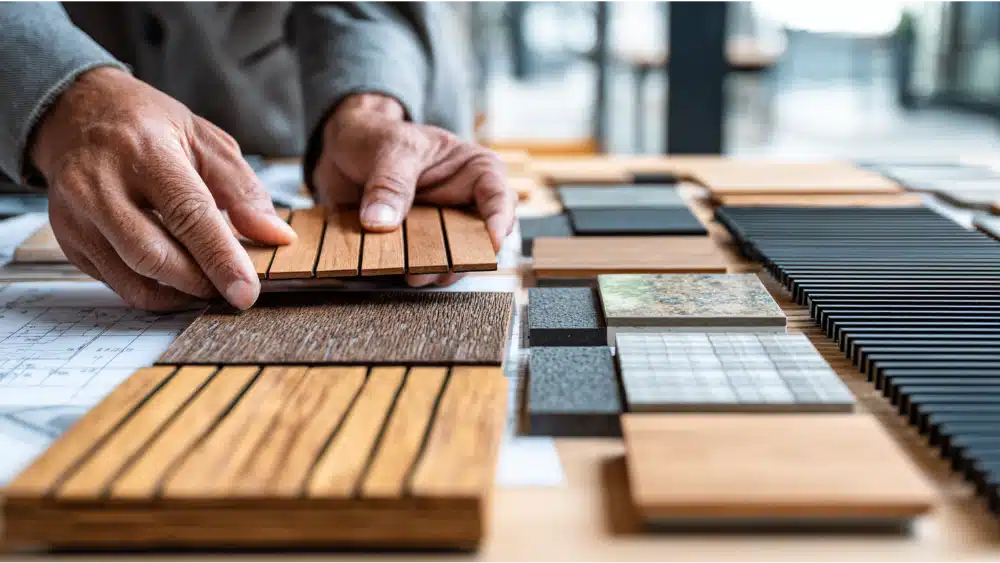
Start With Your Main Goal
Every fencing project starts with purpose. Privacy, security, pets, and curb appeal all influence the right fencing material.
Think About Your Home’s Style
The fence should match the home’s design. Natural wood works well for warm styles. Metal fences suit modern homes. Vinyl fencing fits clean, simple designs.
Consider Your Yard Conditions
Slope, soil, sun exposure, and weather resistance all affect performance. The right materials must fit the yard as much as the home.
Plan for Maintenance
Maintenance needs vary. Some fences require regular maintenance, while others offer minimal upkeep and long-term ease.
What Do Custom Fence Materials Cost in 2026?
Fence pricing depends on fencing materials, design, labor required, terrain, and fence installation complexity.
Typical ranges include:
Wood fence: $40 to $60 per linear foot
Vinyl fencing: $50 to $60 per linear foot
Composite fencing: $70 to $90 per linear foot
Aluminum fencing: $48 to $55 per linear foot
Many homeowners also consider initial cost versus long-term maintenance needs when choosing materials.
Fantastic Fence includes old fence removal and disposal, helping homeowners move from an old fence to a new fence without added stress.
California Homeowners Should Also Think About Fire Safety
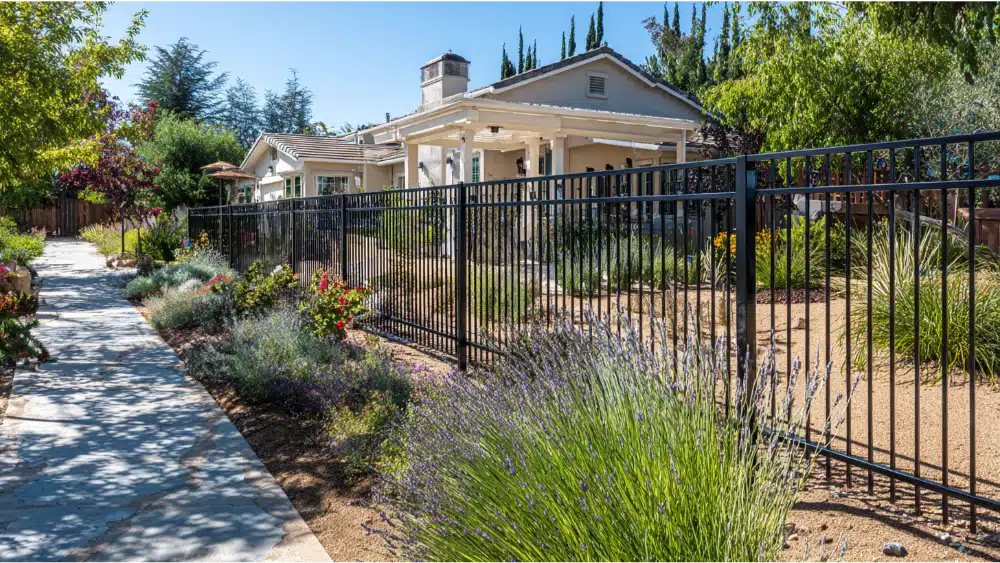
Fence design in California often requires extra attention to safety and environmental impact, and working with a trusted fence company in West Sacramento can help ensure local requirements are met. Noncombustible metal fences like aluminum fencing, steel, and wrought iron are often recommended near structures.
Wood fence and vinyl fencing can still be used effectively when placed thoughtfully within the property design.
Frequently Asked Questions About Custom Fencing Materials
What materials are best for low maintenance fencing?
Vinyl fencing and composite fencing are excellent low maintenance options. They resist rot, pests, and weather damage, requiring only occasional cleaning without the need for staining or sealing.
Are metal fences suitable for harsh weather conditions?
Yes, metal fences like aluminum and steel are durable and resistant to rust and corrosion, making them ideal for harsh weather conditions. However, wrought iron may require occasional maintenance to prevent rust.
How do aesthetic preferences influence fencing material choice?
Aesthetic preferences play a significant role in material selection. Wood offers natural warmth and can be customized with stains or paint, vinyl provides a clean and modern look, and metal fences add elegance and structure.
What are the common materials used in custom fencing projects?
Common materials include wood (cedar, redwood, pressure-treated pine), vinyl, composite, metal (aluminum, steel, wrought iron), and chain link. Each material offers different benefits depending on the project needs.
Is composite fencing an expensive upfront investment?
Composite fencing often has a higher upfront cost compared to wood or vinyl but offers long-term durability and lower maintenance, which can make it cost-effective over time.
What maintenance is required for wood fences?
Wood fences require regular maintenance such as staining or sealing every few years to protect against rot, insect damage, and weathering. Proper upkeep extends the fence’s lifespan and maintains its appearance.
The Best Fence Material Is the One That Fits Your Life
There is no single best fence material for every home. The right fencing materials depend on lifestyle, budget, maintenance expectations, and design goals.
A wood fence brings natural warmth. Vinyl fencing offers low maintenance. Composite fencing provides durability and modern style. Chain link fences offer function and affordability. Metal fences like wrought iron and aluminum fencing bring strength and elegance.
A well-planned fence transforms a property’s appearance, improves security, and creates a space that feels finished and cared for.
Your fence should feel like it belongs there from the start. That is what great fence installation is all about.